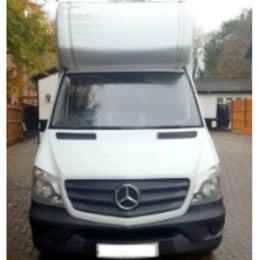
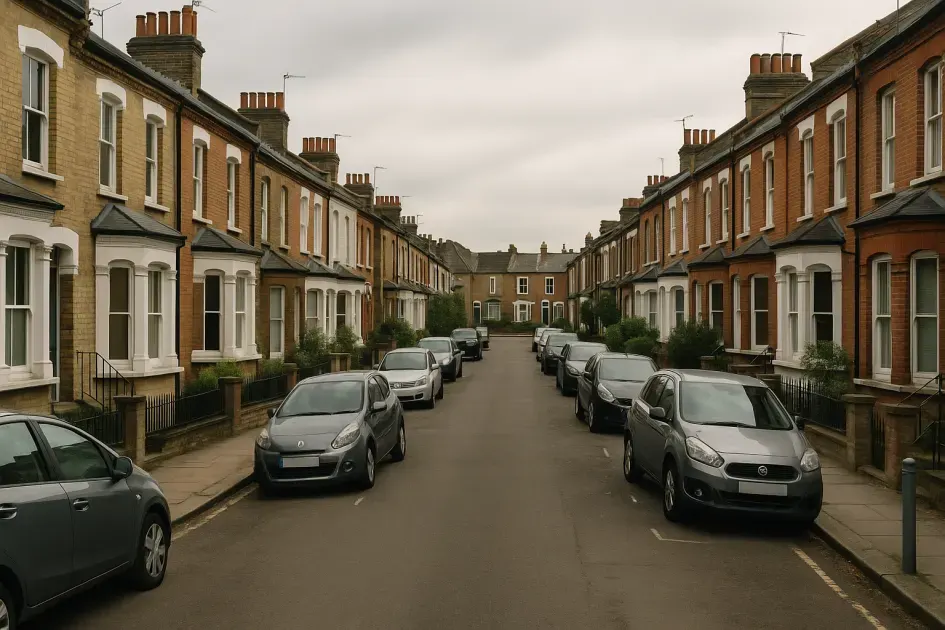
Neighbourhood layout, parking, and property access can make London removals jobs run very differently from one area to another.
London removals planning changes noticeably by neighbourhood. Street width, parking control, property type, and carry distance all affect vehicle choice, crew setup, and the pace of loading.
Use this guide to see local move-day conditions, then visit the London removals page for services, availability, and next steps.
- Neighbourhood layout changes loading speed, parking practicality, and vehicle choice.
- Terraces, mansion blocks, converted flats, and managed developments all create different move-day friction.
- Carry distance and local street access matter as much as mileage within London.
- Use the parent removals page to check scope, availability, and next steps.
How removals conditions vary across London
Neighbourhoods differ in kerbside rules, building types, and traffic patterns. Start by mapping loading points at both addresses, confirming carry distances, and checking any timed restrictions. For services and booking information, see the London removals page.
London has the Ultra Low Emission Zone, so route planning, loading access, timing, and vehicle compliance all need to be considered for removals jobs.
For deeper planning, explore Moving Costs and London moving timing guide. Access specifics are outlined in London access and property guide.
Neighbourhood access patterns
Central streets often use loading bays, red routes, and short timed windows; vehicle positioning and crew relays keep things moving. North and West residential zones can feature Controlled Parking Zones and permit-only streets. East London’s mixed-use roads may have bus lanes and cycle infrastructure affecting approach routes. South West and South East areas often combine terraced streets with school-run peaks that compress workable loading times.
Property and loading differences
Mansion blocks may have lifts and caretakers but require protective materials and booking slots. Victorian terraces can mean tight staircases, basements, and longer carries from residents’ bays. New-builds frequently offer loading bays and larger lifts yet require booking and documentation. Mezzanines, split stairwells, and narrow hallways add handling time unless large pieces are dismantled in advance.
How to plan for different move types
Flat-to-flat: prioritise lift bookings, red-route timing, and carry distance. House-to-house: confirm parking on both sides, measure doorways, and plan for garden or loft items. Long-distance into London: stage arrival outside peak restrictions, confirm vehicle height limits, and consider a shuttle if streets are tight.
City-wide baseline: where time is lost
Typical delays stem from searching for a legal stop, longer-than-expected carries, unbooked lifts, key-release waits, and traffic around schools or events. Building these into the plan reduces on-the-day friction.
Eight local variables that change removals planning
1) Parking controls and permits
Confirm bay type, permit requirements, and maximum stay durations to avoid re-spotting the vehicle mid-load.
2) Red routes and loading windows
Check time-limited stops and bus lane rules; align arrival with the legal window to protect workflow.
3) Carry distance and floor level
Measure from vehicle to doorway and note stair climbs; long relays influence crew size and duration.
4) Lift capacity and booking rules
Lift size, weight limits, and reserved slots shape packing sequence and loading order.
5) Vehicle height and weight limits
Low bridges, width restrictions, and weight limits can force detours or a smaller shuttle vehicle.
6) Property protection requirements
Some blocks and management teams require floor runners, door guards, and insurance documents before work begins.
7) Key-release timing and chain risk
Late keys can stall unloading; agree contingency steps such as delayed starts or interim storage.
8) Seasonal peaks and school runs
End-of-month dates and school-run windows compress loading time; schedule accordingly.
Practical planning checklist
- Confirm legal loading point and any permits for both addresses.
- Book lifts/loading bays and arrange protective materials if required.
- Measure bulky items and doorways; plan dismantling where needed.
- Align arrival with traffic, red-route windows, and concierge hours.
- Set a clear plan for key-release timing and possible delays.
Scenario examples
Example 1: Central flat with a red route: schedule an early start, pre-book the lift, place floor protection, and run a short relay from the bay to reduce time on the kerb.
Example 2: Terrace-to-terrace in North London: secure residents’ permits, stage items closest to the exit, and use a doorway measurement plan for wardrobes and sofas.
Example 3: Long-distance arrival to a new-build in East London: verify vehicle height limits, book the loading bay, and coordinate key handover to avoid waiting outside controlled times.
Apply neighbourhood context
Use these focused resources to plan access, timing, and property handling for your area:
- Central London Moving Guide
- North London Moving Guide
- East London Moving Guide
- West London Moving Guide
- South West London Moving Guide
- South East London Moving Guide
- Central London property access challenges
- North London property access challenges
- East London property access challenges
- West London property access challenges
- South West London property access challenges
- South East London property access challenges
Use this guide to confirm the practical issues first, then move on to the right page for pricing or booking.
- London removals area guide if you need the key points in one place.
- Check the main London removals page for coverage and availability context.
- Book your removals once your address details, access notes and preferred date are ready.
Need a confirmed plan for your move in London? See London removals services or book your removals.