Property challenges for removals in Central London

Understanding Central London’s property and street layout

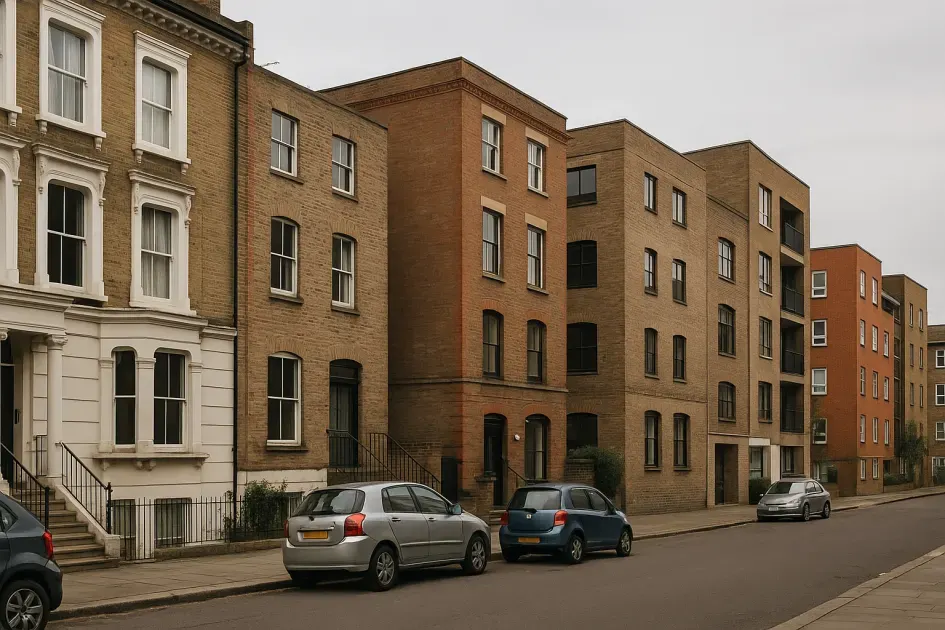
Central London’s built environment — tight terraces, mixed-use mansion blocks, hidden mews and modern gated developments — creates concentrated operational friction during moves. The physical reality here is a high density of buildings with limited kerbside space, complex pedestrian patterns and borough-specific parking rules. That combination affects how removals are planned, carried out and charged.

When you need the main move page rather than property detail alone, start with removals in Central London.

For a parent-area overview, use access and property guide for London.

Terraced housing constraints

Many terraces in Central London are historic: Georgian and Victorian rows with compact frontages, narrow staircases and shallow landings. These features frequently prevent large sofas, wardrobes or beds from being carried whole through doors and common stairwells, so items must be measured, dismantled and protected on site. Dismantling and reassembly increase labour time and require tools and protective materials, while narrow pavement widths can impede the placement of trolleys and ramps. For moves on streets with resident-only bays or pay-and-display sections, permited loading must be arranged to avoid long carries from legally parked vehicles several minutes’ walk away.

You will often need to consider For the problems that tend to appear with awkward access, look at moving guide for Central London and hidden moving costs in Central London too. at the same time.

Flats and apartment access — lifts, stairs and concierge rules

Flats are dominant in Central London, and access varies widely: mansion blocks with ornate communal halls, purpose-built 1970s apartment blocks, and newly built gated developments each bring different constraints. Many blocks have service lifts with strict weight and dimension limits or require a lift-booking window managed by the concierge. Older properties often have no lift at all. These realities mean multiple small elevator runs or stair carries are common, lengthening the operation and increasing the number of staff required. Where service lifts are shared, building managers may insist on lift protection deposits, timed slots or insurance conditions — all practical steps that must be confirmed well before moving day.

Narrow roads, mews and parking limitations

Central London includes narrow mews and historic lanes that standard removal trucks cannot enter, plus one-way systems that force longer driving routes. On-street parking is tightly controlled across boroughs: Controlled Parking Zones (CPZs), single and double yellow lines, timed loading bays and resident permits restrict where a vehicle can stop. Securing a temporary bay suspension or a loading permit from the relevant council (for example Westminster or Camden) can take days and incur charges. Failing to arrange suspension often means vehicles must park further away, increasing carry distance, labour hours and the risk of fines.

Operational friction and its real-world implications

Every structural and street-level constraint translates directly into time and cost. Examples typical of Central London moves include:

  • Increased labour: longer stair carries and more trips between property and vehicle raise staffing needs and hourly charges.
  • Extended loading time: lift bookings, building checks and multiple small-item lifts can double the time it takes to load and unload compared with a suburban bungalow with a driveway.
  • Specialist equipment costs: hoists for items that cannot pass through stairwells, scaffold or street-works permits for external lifts add days to planning and noticeable charges.
  • Permit and bay-suspension fees: applying for temporary loading bays or parking suspensions through the local council often has a lead time and a direct cost that should be factored into budgets.

Suburban versus dense Central layouts — what changes

Compared with suburban moves where driveways and wide streets allow direct access, Central London moves are dominated by density. Expect multiple short carries, staggered vehicle access, and pedestrian management. Suburban properties usually reduce manual handling and time on site; in Central London the opposite is true — constrained architecture and limited kerb space make each part of the operation more labour- and time-intensive.

New builds versus older properties — contrasting frictions

New-build developments can offer modern lifts and dedicated loading facilities, but they also introduce administrative friction: concierge requirements, fixed lift-booking windows, size and weight limits, and strict insurance or protection conditions. Conversely, older properties typically lack service lifts and have awkward internal layouts that require dismantling or external hoist use. Both scenarios impose planning tasks unique to Central London: new builds demand early coordination with management companies, while period properties require additional manual handling time and possible external specialist equipment.

Practical planning points for Central London moves

Because of the location-specific constraints above, planning should treat time and access as core logistical items. Check building rules and lift availability, confirm local parking and bay suspension processes via the council, and identify any narrow approach streets or mews that will block large vehicles. For more on borough parking and access differences across London, see the access guide at access and property guide for London. For an overview of moving processes specific to Central London, refer to the parent removals page at removals in Central London and the local moving guide at moving guide for Central London.

Addressing Central London’s structural and street-level challenges early — by quantifying carries, confirming lift and concierge rules, and arranging any necessary permits or hoists — reduces surprises on the day and gives a realistic picture of time and cost implications.


Common questions about property-related moving challenges in Central London

Answers focused on Central London's buildings, street patterns and access rules — what causes delays, extra cost and planning requirements for removals in the centre of the capital.

Many Central London terraces are Georgian or Victorian with narrow front doors, shallow hallways and steep stairs. That increases carry distance and forces dismantling of large items. Expect longer loading times: each narrow stair carry can add 10–30 minutes per bulky item, plus the need for extra crew or protective materials. Planning should include time for dismantling and reassembly, and potential parking suspensions if pavement access is limited.

Mansion blocks and modern apartment developments in Central London commonly have service lifts with weight or size limits, concierge hours, and strict booking rules. Older blocks often lack lifts or have narrow communal corridors. These restrictions can require multiple elevator runs, limit the size of items that can be carried whole, or compel the use of external hoists — each option adds time, paperwork and cost. Check lift booking windows and any lift-protection deposits in advance.

Central London streets include narrow mews, one-way routes and heavy pedestrian flows. Controlled Parking Zones (CPZs), limited loading times and resident bays restrict where a removal vehicle can load. Securing a bay suspension or parking permit from the local council is often necessary and can take several days to arrange. Without it, crew may have to park further away and increase carry distance, which raises labour time and vehicle turnaround.

New-build apartments sometimes have modern service lifts and on-site loading bays, but also strict concierge protocols, insurance requirements and short service-lift booking slots. Some contemporary developments route removals via underground car parks with narrow ramps or height limits. These constraints can speed some moves but introduce administrative friction and mandatory lift protection charges that add to cost and planning requirements.

Central London moving plans must prioritise permits, precise time windows, and contingency for pedestrian congestion. Unlike suburban homes with driveways or wide streets, Central locations often need pre-booked bay suspensions, multiple smaller vehicle runs, and additional crew to handle long carries and stairs. Budget extra time and contingency costs for permits, hoists, and labour compared with a typical suburban move.

Yes. Lofts, garages and secondary storage areas spread the inventory across more space, which lengthens the loading phase even when the property looks manageable from the front door.