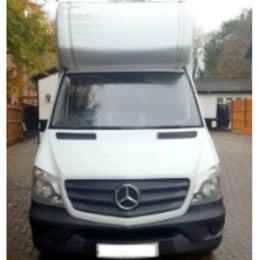
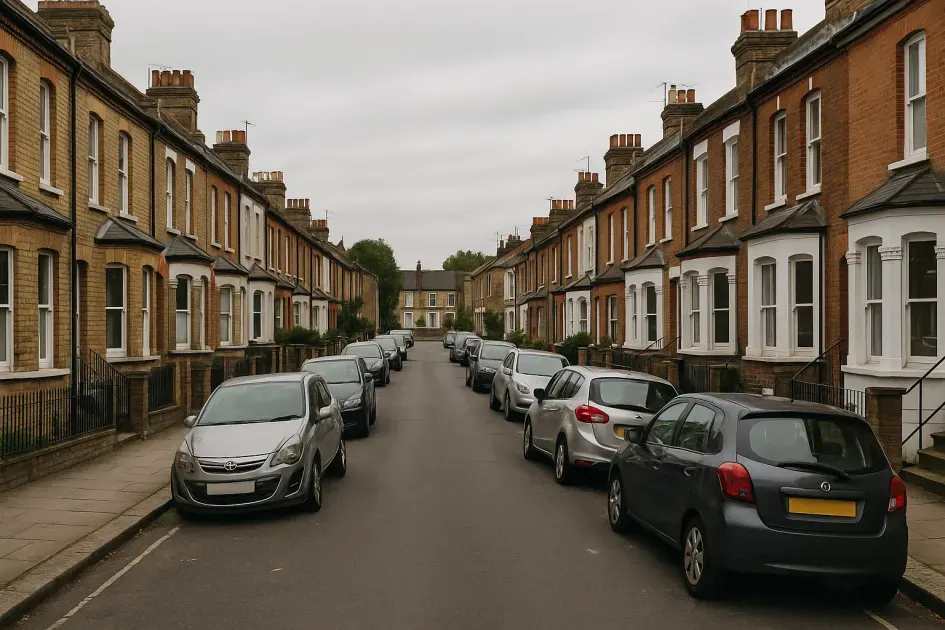
Parking rules, building access, and carry distance can all affect how smoothly a London removals move runs on the day.
Access is often the biggest swing factor for household removals in London. This guide turns common building and street constraints into practical steps you can action before move day. For dates, scope and availability, see the London removals page.
- Street access, loading rules, stairs, lift bookings, and carry distance directly affect move timing.
- Managed blocks and concierge buildings often require advance booking and protection rules.
- Tight streets, low headroom, and restricted bays may change vehicle or shuttle planning.
- Confirm access details early to reduce delays on move day in London.
Access and property constraints in London
London’s built environment creates friction points that shape timings and crew planning: narrow streets, permit parking, controlled loading windows on busy roads, stairs in walk-ups, long carry distance from bay to door, flats with concierge rules, lift bookings in managed blocks, terraces with tight frontage access, and mews lanes with limited turning space.
Brief your removals team with precise details: floor levels, lift dimensions, any service-lift booking rules, door and corridor widths, and the likely loading point. The more exact the picture, the better the planning for materials, protective coverings, and vehicle size.
Street access and loading realities
Expect one-way systems, school streets, bus lanes, and red routes to influence routing and stop points. Some streets allow loading for short periods only; others require a formal suspension of residents’ bays. Build in time to secure permissions and confirm legal loading positions on both ends.
London has the Ultra Low Emission Zone, so route planning, loading access, timing, and vehicle compliance all need to be considered for removals jobs.
Building and property friction
Common building setups impact move speed and protection requirements. Use the notes below to anticipate constraints and book any managed access early.
Parking, permits, and managed access
Where residents’ bays or pay-by-phone bays are the nearest option, request a bay suspension/dispensation from the council well ahead of time. On managed estates, check if there is a designated loading bay, any induction required, and whether protective floor covering or a security escort is mandatory.
Confirm if your move falls under controlled loading windows. If so, time your arrival accordingly or set a shuttle plan from a legal spot. Share any height restrictions, gates, or concierge rules with your team so they choose the right vehicle and carry equipment.
| Property type | Typical access considerations |
|---|---|
| Victorian terrace | Tight frontage access, narrow hallway, steps to front door; plan for carry distance from street bay. |
| Purpose-built flat | Lift size and booking, loading bay rules, concierge notification; protect lobbies and lifts. |
| Converted flat | Stairs with sharp turns, shared hallways; confirm furniture measurements vs. stair width. |
| New-build with concierge | Strict loading windows, service-lift bookings, move-in forms; pre-arrange coverings and access confirmation. |
| Townhouse/mews | Narrow lane, limited turning, restricted parking; consider smaller vehicle or shuttle. |
- Arrange any bay suspension or local permit and share the reference with your team.
- Book service-lift and loading bay windows; notify the concierge or managing agent.
- Measure key access points (stairs, turns, doors, lift car and lift door) against your largest items.
- Confirm vehicle height limits, turning space, and gate or fob access instructions.
- Plan for carry distance: identify closest legal loading spot at both addresses.
- Protect communal areas (lobby, lift, stairs) where required by building rules.
- Schedule around school streets or red-route loading times to avoid delays.
- Have entry codes, permits, and booking confirmations ready for arrival.
Need a confirmed plan for your move in London? See London removals services or book your removals.
Start planning dates and scope via the London removals page. For deeper operational context, these guides help:
Area-specific access and property insights: