Property challenges for North London removals

How North London’s buildings and streets shape removals

Moving in North London is dominated by contrasts: tight, historic terraces and converted flats a short walk from busy town centres; wider suburban streets and semi‑detached houses further north. Each building type and street pattern creates specific physical constraints that directly affect how a removals job is planned, timed and costed.

Terraced housing — Victorian narrowness and tight frontages

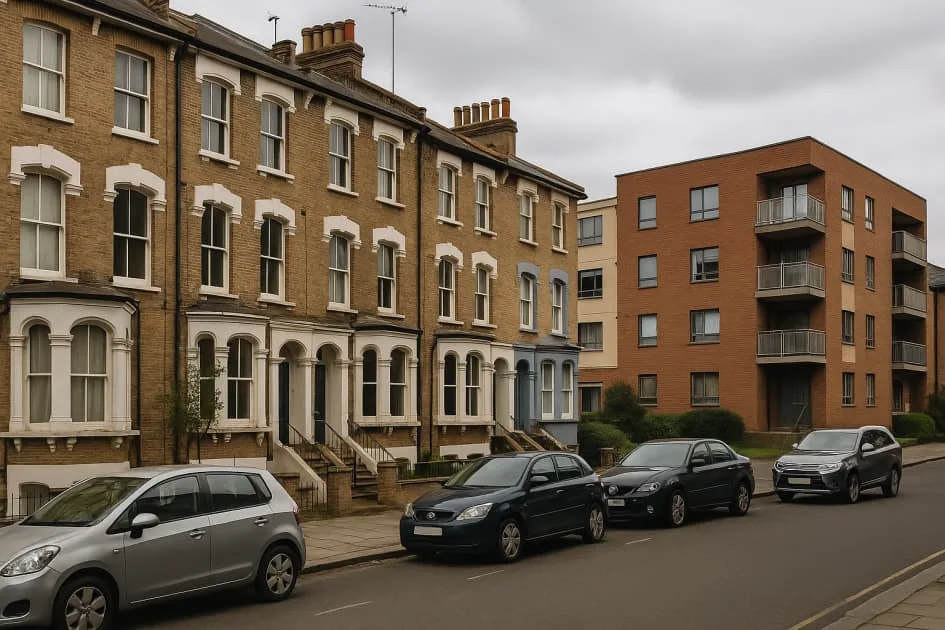
Inner North neighbourhoods (Islington, Highbury, parts of Camden and Holloway) have many Victorian and Georgian terraces. These properties commonly share features that create friction for removals teams:

For a parent-area overview, use access and property guide for London.

removal service in North London is the main booking page for checking availability, pricing and move details in one place.

  • Narrow front doors and hallways requiring side‑loading and careful angle manoeuvres for sofas and wardrobes.
  • Internal staircases with steep risers and tight turns — often meaning bulky items must be dismantled or carried through windows where permitted.
  • Basement or cellar access via external steps, increasing risk and slowing handling in wet weather.
  • Short front gardens or steps to the pavement that reduce easy van-to-door access; vans frequently have to park further away.

Real‑world implication: an otherwise straightforward terrace move can add 1–4 extra crew hours for carrying, dismantling and protecting doorways — and may require specialist equipment for safe removal of oversized items.

Access issues usually sit alongside other planning points, so this page with moving guide for North London and hidden moving costs in North London.

Flats and apartments — converted houses versus purpose‑built blocks

Flats in North London fall into two main categories, each with its own access profile:

  • Converted flats in period houses: often no lift, narrow communal staircases, and long carries from the street. Carry distances of 20–80 metres from van to front door are common where access is through shared yards or alleyways.
  • Purpose‑built or modern blocks: may offer lifts and loading bays but typically require advance booking of service lifts, time windows, and estate management sign‑off. Internal corridors can still be narrow, and concierge requirements restrict when large items can be moved.

Real‑world implication: removals to converted flats regularly add 30–90 minutes per flight of stairs to the job schedule and increase labour costs; moving into modern blocks typically shifts friction from heavy lifting to administrative tasks and scheduling.

Narrow roads, parking limits and permit zones

Many North London streets are unsuitable for long-stay van parking. Key access constraints include:

  • CPZs (Controlled Parking Zones) and resident permit requirements across boroughs such as Islington, Camden and Haringey.
  • Short single yellow loading windows, enforcement by parking attendants, and frequent suspension requirements for kerbside loading.
  • Narrow one‑way streets, pedestrianised sections and Low Traffic Neighbourhoods (LTNs) that prevent large vehicles from approaching the property directly.

Real‑world implication: lack of immediate kerbside access often forces vans to park 20–100 metres away, turning a 2‑hour job into 3–5 hours of active work. Councils typically require 7–14 days’ notice for official suspensions and there are direct costs for suspensions or short‑term permits that must be built into the move budget.

Suburban versus dense layouts — where time and effort differ

Outer North London suburbs such as Finchley, Muswell Hill and parts of Barnet feature wider roads, driveways and detached or semi‑detached housing. These characteristics reduce carry distances, allow vehicle access closer to property and typically shorten loading/unloading time.

By contrast, the inner districts (Islington, parts of Camden and Highbury) are denser. Traffic calming, narrow pavements and a higher proportion of flats mean more walking, more stairs and more handling per item.

Real‑world implication: suburban moves can often be completed with fewer crew hours and without parking suspensions; inner moves commonly require additional manpower, time allowances for repeated trips between van and property, and more on‑the‑day coordination.

New builds versus older properties — different kinds of friction

New developments in North London (converted industrial sites and modern apartment blocks) introduce modern constraints rather than old ones:

  • Service lifts with booking systems, concierge rules and timed delivery slots enforced by management companies.
  • Underground or gated parking with narrow ramps and height/weight limits that can prevent large removal vehicles from using the most convenient bays.
  • Strict damage policies and insurance requirements from homeowners’ associations or managing agents.

Older properties put the friction on physical manoeuvring; new builds shift it to scheduling, permissions and coordination with third‑party managers. Both types can add time and administrative cost: older buildings through prolonged manual handling, new builds through pre‑move administration and booked lift windows.

Practical implications for time, cost and planning

When planning a North London removal, consider the following realistic impacts:

  • Carry distance and stairs: each additional 10–20 metres of carry or each extra flight of stairs commonly adds 30–60 minutes to the job and may require an extra team member.
  • Parking and permits: arranging a single-day suspension or permit can require advance council application; allow budget and lead time for this. Unplanned parking tickets and failed attempts to load from restricted areas add delays.
  • Estate rules and lifts: new‑builds often need lift booking windows; missing a slot can delay the job by hours or force an additional day of work.
  • Furniture handling: narrow house dimensions or tight doorways frequently require dismantling and reassembly, adding labour and potentially materials costs (screws, protective packing).
  • Weather and street conditions: many terraced properties have steps and exposed entries that slow handling in rain and increase the need for protective coverings.

For a realistic move plan in North London, survey access early, confirm lift/estate rules where relevant, check CPZ and loading restrictions with the local council, and allow contingency time and budget for extra crew or protective services. For general access guidance across London, see the broader resource at access and property guide for London and for local-moving logistics consult removal service in North London or the practical tips at moving guide for North London.


Common North London property questions

Short answers to practical questions about access, stairs, parking and lifts in North London properties — designed to help you factor time, crew and costs into your move.

Many inner North London streets are in Controlled Parking Zones (CPZs) with tight restrictions. For a removal vehicle you will often need a short-term suspension or day permit arranged through your borough (Islington, Camden, Haringey, Barnet etc.). If the van must park on double yellow lines or a loading bay, enforcement officers may still ticket unless an official suspension is in place. Plan at least 7–14 days ahead for council approvals in popular areas.

Victorian terraces and converted houses common in places like Highbury and Canonbury have narrow corridors and winding stairs. Expect longer packing and handling times: single-piece furniture may need dismantling, smaller lifts of boxes, and precise manoeuvring. A typical terrace move with narrow stairs can add 1–3 hours compared with a modern ground-floor handover.

Converted flats often lack passenger lifts and have shallow landings or steep steps. Confirm stair width, presence of fire doors, restrictions on bulky items, and whether access is through communal gardens or back alleys. Long carries from street to flat — 20–80 metres — are common and will increase labour and time.

New builds can be mixed: many have service lifts, allocated loading bays and secure parking, but management companies typically require lift bookings, evidence of insurance and restricted delivery slots. Underground ramp access and tight concierge lobbies mean large sofas may still need dismantling, and estate rules can add admin time the day before moving.

Outer suburbs such as Finchley, Muswell Hill and Totteridge usually offer wider roads, driveways and off-street parking — reducing carry distance and loading time. Inner North areas like Islington, Barnsbury and parts of Camden are denser, with more parking restrictions and narrower streets, which increases crew time and logistical planning.

Yes. Lofts, garages and secondary storage areas spread the inventory across more space, which lengthens the loading phase even when the property looks manageable from the front door.