
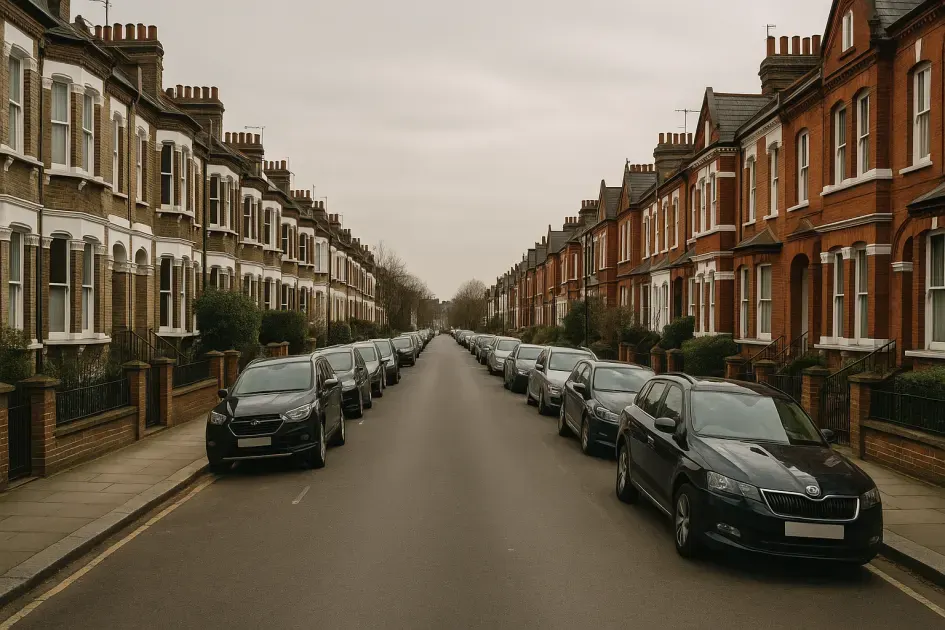
London removals costs are shaped mainly by working time, access, and handling effort rather than distance alone.
Plan your move in London
Check the price and availability for your addresses, moving date and loading requirements. Book through Find My Man and Van; we allocate a suitable provider after booking.
Compact removals load: £214.00 total — example for London.
1 × luton van; Two People to Load/Unload; 5 miles, 3 hours, ground-floor access. Modelled for 27 October 2026. Your quote depends on your actual move details and date.
Providers covering the London area


Local coverage is a guide, not a reservation of these providers. Explore local providers.
London moving costs are shaped more by time on site and access conditions than by mileage alone. Crew size, vehicle size, stairs, lift access, packing, and parking distance are the main factors that change the quote.
This page explains the practical cost drivers for household removals in London. For service details and booking help, start with the London removals page.
- Pricing is driven mainly by loading time, access conditions, crew size, and vehicle size.
- Stairs, long carry distance, bay availability, and managed building access can extend job time.
- Packing, dismantling, and same-day key timing can also change the quote.
- Start with the London removals page for service scope and booking options.
What affects cost planning for moves in London
Household removals pricing in London is driven by the time, crew, and vehicle plan needed to move your items safely. Key factors include crew size, vehicle size, stairs vs lift access, carry distance to the vehicle, packing level, disassembly and reassembly, awkward items (pianos, American fridges), and timing constraints. London has the Ultra Low Emission Zone, so route planning, loading access, timing, and vehicle compliance all need to be considered for removals jobs.
Parking and loading dictate how efficiently the crew can work. Pre-arranged permits or a booked loading bay reduce carry distances. Lift bookings and building loading windows must be aligned with travel time and vehicle arrival. If you need full packing or specialist protection, that adds materials and crew hours. For guidance on planning and availability, see our London removals page.
Typical move price patterns in London
While inventories vary, these patterns commonly influence the final billable time and vehicle plan in London.
Cost examples by move type
Scenario 1
Studio flat to studio flat with lifts at both ends and a booked loading bay. Pre-packed boxes, no disassembly. Likely a 2-person crew with one van, straightforward loading, and a shorter-duration move if the lift and bay timings align.
Scenario 2
Two-bed terrace to two-bed flat with a long carry from controlled parking and one flight of stairs. Some furniture needs taking down (beds, dining table). A 3-person crew reduces shuttling on foot and keeps assembly work on track within the day.
Scenario 3
Four-bed house to four-bed house across boroughs with limited access at the destination. Full packing the day before, then move day with a larger truck plus a support van. Crew splits between loading, protection, and destination access management to avoid shuttling delays.
| Factor | Pattern in London | Likely impact |
|---|---|---|
| Parking & loading | Controlled bays and narrow streets are common | Longer carries and staged loading increase duration |
| Access inside property | Stairs or small lifts in many period blocks | More porters and careful handling extend time |
| Timing & day choice | Fridays and month-ends create pressure | Heavier traffic and tighter slots add risk buffers |
| Vehicle sizing | Streets may restrict larger vehicles | Shuttles or additional trips may be required |
| Disassembly & packing | Wardrobes, beds, fragile items often need prep | Extra materials and crew hours allocated |
| Route & compliance | ULEZ and borough rules shape routing | Specific vehicle choices and route timing |
- Arrange parking or permits early and confirm loading bay measurements and timings.
- Pack tightly and label by room; keep essentials and keys separate and accessible.
- Measure large items and doorways; plan disassembly and protect awkward pieces.
- Book any lifts and loading windows in writing; share details with the crew lead.
- Choose a start time that avoids local school runs and known congestion hotspots.
Need a confirmed plan for your move in London? See London removals services or book your removals.
Plan, timing, and access shape London move efficiency. Start here:
- London removals – commercial overview and booking path
Related macro guides:
Area-specific moving-costs and hidden-costs support: