Costs for a full house, flat or office move in Central London are driven less by mileage and more by the practical barriers crews face on the ground: the building type, street access, vehicle options and the time windows available for loading and unloading. Below are the specific factors that alter time, resource needs and therefore price when moving in Central London.
Central London has a high proportion of Victorian and Georgian terraced houses and period flats. Those properties typically feature narrow internal doors, tight landings and staircases that slow each item move. A three‑bedroom terraced house may require extra labour compared with an equivalent property in outer zones because every item needs manoeuvring through constricted spaces.
For the core service page, use removals in Central London first. If you want broader context on pricing patterns across the parent area, see moving costs in London.
In practice, this usually connects with To see where budget drift usually comes from, pair this page with hidden moving costs in Central London and property access challenges in Central London..
Flats in period blocks often lack goods lifts; moves to upper‑floor flats become heavy stair carries. New builds and modern blocks frequently have service lifts, but building management commonly demands lift reservations, protective padding and move‑in time slots — add administrative time and possible lift‑booking fees. Semi‑detached properties in central pockets are rare but still subject to Central London street access rules, so they rarely offer the easy parking associated with suburbs.
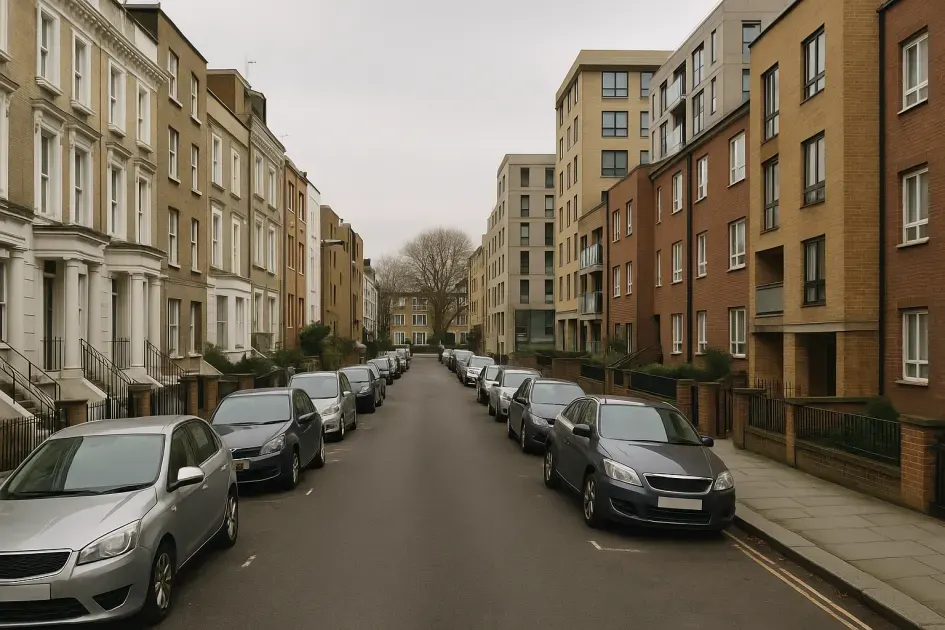
Street access in Central London is complex: controlled parking zones, residents’ bays, timed loading bays and double yellow lines enforced by cameras. Many streets are one‑way, built as narrow terraces or lined with bollards and planters. Where a removal lorry cannot stop outside a property, crews must park legally a distance away and carry items along pavements or through communal courtyards — a real increase in carry distance and loading time.
Loading bay availability and the need for temporary bay suspensions or short‑term permits are common. Applications to local councils for a loading bay suspension can take days and carry fees; last‑minute failure to secure a bay elevates risk of parking contraventions and on‑the‑day delays, both of which increase total cost.
Central London moves often include longer internal and external carries: from kerb to lift, across cobbled mews, or up multiple flights of narrow stairs. Each extra metre and each flight adds time and fatigue, which in turn increases labour hours and insurance risks requiring more crew. Buildings with concierge services, restricted delivery hours or communal access rules add onsite waiting time and administrative downtime — all counted as charged time on the job.
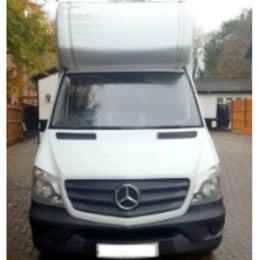
Large removal lorries struggle with tight corners, low roofs, cobbles and narrow mews found throughout Central London. As a result, moves often use smaller rigid vans or 7.5‑tonne lorries that can access urban streets. Smaller vehicles mean either more journeys or additional manual handling (dolly runs), each of which multiplies labour time and therefore cost. In addition, vehicles entering the Congestion Charge/ULEZ zones during chargeable hours add fixed charges that must be budgeted into the move cost.
Because of stairs, long carries and tight manoeuvres, crew sizes in Central London are frequently larger than in suburban moves. A bulky piano or a large wardrobe in a narrow Georgian townhouse may require extra movers to expedite the carry safely, plus specialised handling equipment such as stair climbers, hoists or protective lift padding. Extra crew increases hourly labour costs and may be necessary to complete a move within restricted loading windows.
Timing matters. Weekdays in normal business hours are often subject to strict loading bay restrictions, but offer better staffing levels and lower premium rates. Early morning slots can be advantageous for traffic, but many councils limit loading at certain times, so crews may face fines or forced waits if arriving out of allowed windows. Evenings and weekends frequently attract higher labour rates to cover staffing premiums and overtime. In Central London, mis‑timing can trigger congestion/ULEZ charges, paid parking, permit delays and overtime — each layering onto the final bill.
Compared with outer boroughs, Central London moves see more enforcement, shorter or no kerbside access, pedestrianised stretches, and a higher proportion of period buildings without service lifts. Those factors convert straightforward van‑to‑door work into multi‑stage operations: vehicle to pavement, pavement to building entrance, entrance to stairs or lift, and finally to the room. That fragmentation increases handling time, the number of movers required and the administrative tasks (permits, lift bookings, concierge coordination), making Central London removals materially more expensive than equivalent moves in less constrained areas.
For more about removals in this locality see the Central London parent page at removals in Central London, and for broader London pricing drivers visit the citywide guide at moving costs in London. If you want to understand additional unexpected charges that commonly arise in Central London moves, see the related notes at hidden moving costs in Central London.
| Move size | Typical range | What usually affects it |
|---|---|---|
| Studio / small 1-bed | £140–£280 | permit-controlled streets with short kerb frontage and limited stopping space outside main entrances and resident permit bays and pay-by-phone controls limit all-day kerbside loading. |
| 1–2 bed flat | £260–£480 | Carry distance, stair cycles, lift access and van positioning. |
| 2–3 bed home | £420–£780 | Furniture volume, loading distance, disassembly needs and timing pressure. |
Answers below focus on the specific realities of moving in Central London—parking controls, narrow streets, building management rules and how those factors change time and price.
Terraced period houses and historic flats often mean narrow corridors and staircases, increasing carry time and labour. Ground-floor flats or new-build apartment blocks with service lifts can be quicker, but many new developments require lift bookings or concierge supervision, which adds admin time and potential building fees. Semi-detached properties in Inner Central pockets still face restricted street access, so the same central-area access constraints usually apply.
Yes. Central London has controlled parking zones, timed loading bays and active enforcement. Paying for a temporary loading bay suspension or arranging a council loading permit can add cost and needs lead time; failing to obtain them can cause delays or fines, both of which increase the overall job time and price.
Limited vehicle access and longer carry distances in Central London mean the physical work is heavier. To keep move time and manual handling safe, many moves that would be two movers outside the suburbs need three or four in Central London to manage tight stair carries, short vehicle loading windows and heavy items through narrow doorways.
Morning weekday moves can avoid peak traffic but may collide with restricted loading windows; evenings and weekends often carry premium rates due to staffing and overtime. Congestion Charge and ULEZ hours, plus council loading restrictions, make the timing of vehicle arrival critical and mistakes expensive.
Yes. Large removal lorries often cannot access narrow mews, cobbled streets or terraces. Using smaller vehicles increases the number of trips and crew hours, while arranging a remote loading point adds carry distance and time—each increases labour costs even if the vehicle cost is lower.
In many cases, yes. A quieter weekday slot can reduce waiting and make access more predictable, especially where factors such as weekday commuter pressure and morning delivery windows, servicing activity slow access on mixed residential, retail streets tend to create friction at busier times.