North London is a patchwork of narrow Victorian terraces, converted flats above shops, semi‑detached suburbs and modern gated developments. Each property type creates specific, measurable effects on time and cost.
For the core service page, use removals in North London first. If you want broader context on pricing patterns across the parent area, see moving costs in London.
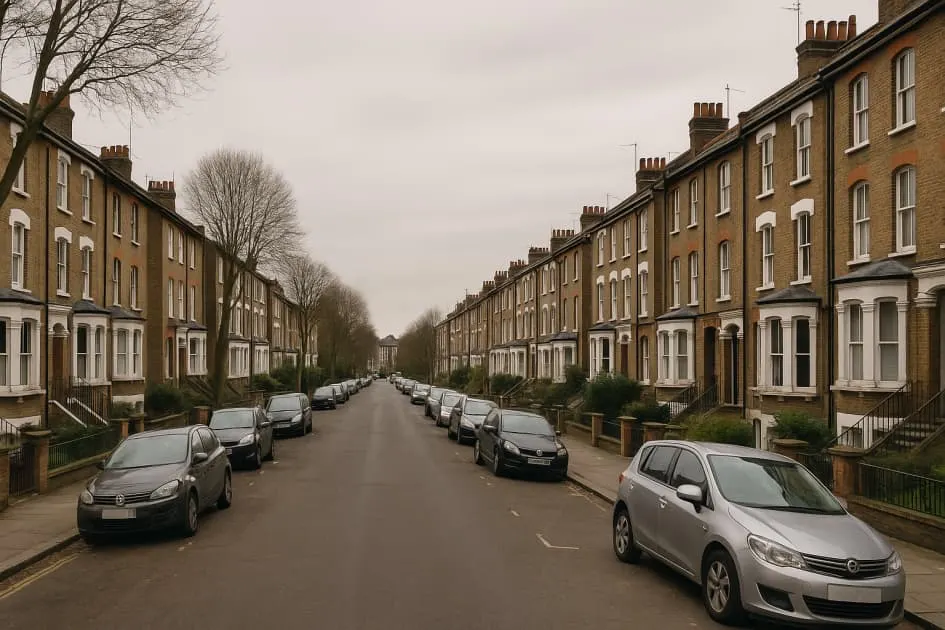
Terraced houses (common in Islington, Archway and parts of Camden): often no drive or forecourt, small front steps and tight doorways. These features increase manual handling time — more dismantling, more trips between van and property, and greater risk of delays due to awkward items. Semi‑detached houses in suburban pockets (for example parts of Muswell Hill) usually allow closer van access and sometimes a driveway, which reduces carry distance and lowers labour hours.
Converted flats in older buildings: many are three or four flights with narrow, winding staircases. Each flight adds minutes per item and often requires two or three people to manoeuvre sofas or wardrobes safely. New‑build blocks (for example Beacon Court–style developments) often have service lifts and loading bays, but if the service lift is too small or reserved, the job still needs extra time for carry or clerking with building management.
Controlled Parking Zones (CPZs) and resident permits in boroughs that cover North London mean vans cannot always stop outside a property. Where double yellow lines, single yellow lines or resident bays surround a street, movers may be forced to park 20–100 metres away. That additional carry distance multiplies labour time — and time is the primary driver of cost.
In practice, this usually connects with To see where budget drift usually comes from, pair this page with hidden moving costs in North London and property access challenges in North London..
Some streets are so narrow (Hampstead Village lanes, parts of Highgate and Canonbury) that large 7.5‑tonne lorries cannot enter; this forces the use of smaller vehicles plus shuttle runs between the large truck parked on a main road and the property. Shuttle runs typically add 30–90 minutes or more and require additional crew hours.
Temporary parking suspensions or loading bay bookings can place a fixed extra cost on a move. These require advance paperwork with the borough, and if applications are late, crews may need to spend time searching for legal stopping points on the day — which increases billed time.
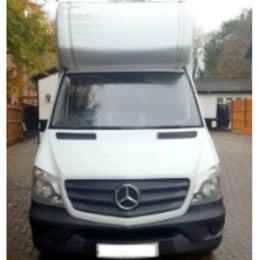
North London jobs often combine two vehicle types: a larger lorry kept on an arterial road or main thoroughfare and a smaller crew van for the short, restrictive streets. Large lorries are more efficient for long-distance moves but are limited by street width and local access regulations. When a large vehicle cannot get to the property, the cost rises because of extra loading/unloading stages and duplicated handling.
ULEZ and low‑emission requirements in London can add to the cost if non‑compliant vehicles would otherwise be used. Operators must either use compliant vehicles (which may have higher hire costs) or add the charge to the invoice. In practice, this is an unavoidable line-item when moving within many North London boroughs.
Simple two‑person crews work for small one‑bed flats with lift access, but most terraced houses, large family homes and flats without lifts require three or four trained movers. Narrow staircases, tight corners and heavy items (pianos, large wardrobes, period stair banisters) require extra staff to maintain safety and speed. Each additional mover increases the hourly rate but reduces total hours for very heavy jobs — the team composition is a direct cost lever.
Specialist handling (piano moves, antique furniture, white goods requiring disconnect/reconnect) adds skill‑based time charges. In North London properties with listed‑building restrictions or conservation area rules, careful packing and extra protective materials increase on‑site time and materials cost.
Carry distance is a simple multiplier: if parking is 50m away rather than 5m, every large item takes several extra minutes. Add in tight doorways that require dismantling, and a single wardrobe can take 15–30 minutes longer. Waiting time for building managers or lift slots is common in purpose‑built blocks and will be billed as labour unless scheduled into a known window.
Loading restrictions (time‑limited bays or morning peak restrictions) can force removals to use off‑peak hours. If crews arrive at a site and cannot load immediately, the idle time is effectively paid labour. Conversely, if a move is planned for an early morning slot before CPZ enforcement starts, parking is easier and total time falls.
High‑demand periods in North London are weekends, school holiday changeovers and month‑end dates. Crews are in shorter supply on these days, and borough services such as parking suspensions are busier — both push prices up. Weekday mid‑month moves are typically cheaper because traffic is lighter, lifts are less restricted and borough admin is easier to secure in advance.
Time of day also matters. Early starts (pre‑8am) can avoid the school run and CPZ enforcement in many areas, reducing on‑the‑day friction. Late‑afternoon finishes risk hitting rush hour over major routes out of North London (A1, Holloway Road), extending drive times and adding labour hours. Some buildings require moves within specified windows (management windows or noise restrictions in residential conservation areas); failing to match those windows incurs overtime rates or re‑scheduling costs.
Compared with central London, North London typically has fewer high‑rise service lifts but more narrow residential streets and longer carry distances from kerb to door. Compared with east or south London industrial zones, North London presents more domestic‑style challenges: listed façades, steep stairs and dense CPZs rather than wide loading bays. These differences mean removals here usually spend more crew hours on manual handling and planning rather than long motorway driving time.
Planning matters: allow extra time for parking applications, building management approvals and possible shuttle logistics if a large vehicle cannot access the street. Factor in additional crew for flights of stairs or oversized items and expect premium rates for weekend or month‑end dates. For more detail on what to check for a move in this area see the North London removals overview at removals in North London and guidance for Greater London cost drivers at moving costs in London. If you want to understand extra, less obvious charges, read about parking suspensions and permit-related additions at hidden moving costs in North London.
| Move size | Typical range | What usually affects it |
|---|---|---|
| Studio / small 1-bed | £140–£280 | short kerb access on narrow residential streets where loading often has to take place from permit bays rather than directly outside and controlled parking zones are widespread, with visitor permits or suspended bays often needed for loading near terraced streets. |
| 1–2 bed flat | £260–£480 | Carry distance, stair cycles, lift access and van positioning. |
| 2–3 bed home | £420–£780 | Furniture volume, loading distance, disassembly needs and timing pressure. |
Short answers to common cost drivers: how parking controls, stair carries, lifts and timing affect price and what to check before a move within North London.
Victorian and Georgian terraces common across Islington, Camden and Hackney typically have narrow doorways, no off-street parking and steep internal stairs. That creates long carry distances for bulky items, additional crew or time to dismantle furniture, and sometimes the need for special handling — all of which increase labour hours on the day.
Controlled Parking Zones (CPZs) across many North London boroughs limit where vehicles can stop. If standard kerbside loading is unavailable, movers must park further away and carry items longer, increasing time and crew costs. If a temporary suspension of parking bays or a loading bay booking is needed, that adds permit fees and pre-planning time.
Lifts help but have caveats: service lifts in new-build flats are often small and require lift protection or scheduling windows set by building management. If items fit the lift, labour drops, but if lifts are too small or management imposes timed slots, removals still need extra staff and waiting time — so costs fall only when lifts are unrestricted and suitably sized.
Weekends, end-of-month dates and bank holidays are high-demand times in North London; professional crews are busier and parking suspensions are harder to secure on short notice. Early-week mid-month dates tend to be cheaper because traffic is lighter and permit applications are easier to process.
Yes — parts of North London are inside the Greater London ULEZ. If the removal vehicle does not meet emissions standards, operators must pay the charge or use a compliant vehicle; that cost is passed on. Additionally, some streets have weight or access restrictions that force use of smaller vehicles or additional shuttle trips.
Share the access reality early, confirm where the van can stop, and flag anything unusual about the route inside the property. In North London, accurate planning is usually the cleanest way to keep the job close to expectation.