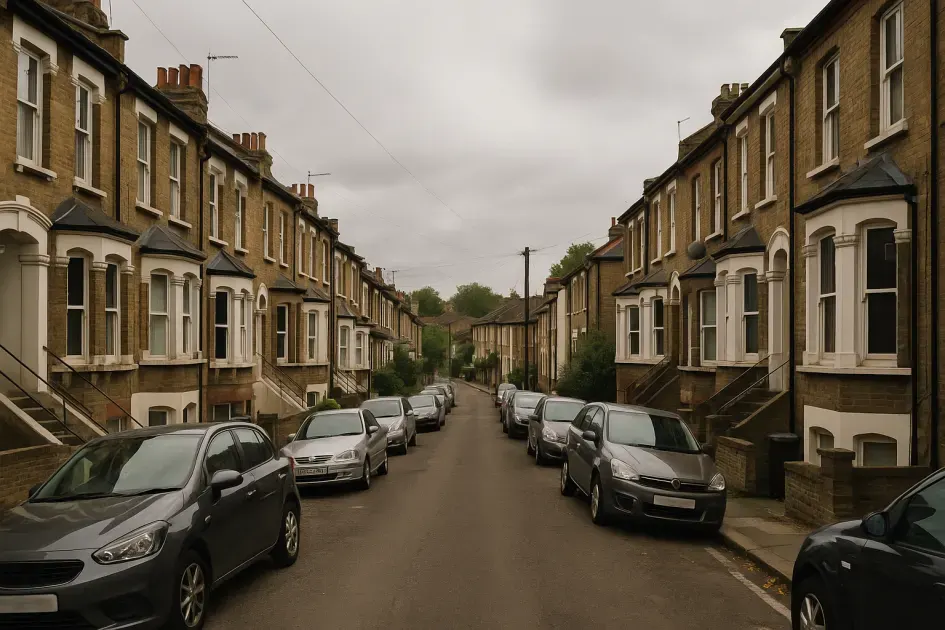
South East London is a patchwork of narrow Victorian terraces, dense period flat conversions, semi‑detached suburbs and modern riverside new builds. That mix creates very specific operational frictions: restricted kerbspace in town centres such as Deptford and Peckham, strict management rules in purpose‑built blocks around Greenwich Peninsula and Lewisham, and multiple flights of stairs in older properties in Brockley or Dulwich. Those factors change time on site, require extra labour or equipment, and trigger council or management charges—each translating into real additional cost.
Waiting time fees are charged when a removal vehicle and crew can’t complete loading or unloading within the booked window. In South East London this happens often because:
For a parent-area overview, use moving costs in London.
Use removals in South East London first for the core service page when you want the clearest route from cost checks to booking.
In practice, this usually connects with To spot where extra costs usually appear before booking, look at moving costs in South East London and property access challenges in South East London as well..
Real‑world implication: a 30–90 minute wait can add a full additional half‑crew hourly charge plus vehicle time—commonly £30–£100 extra depending on the provider and the borough rules affecting access.
Many streets in South East London sit inside Controlled Parking Zones run by Southwark, Lewisham or Greenwich councils. For a 7.5–18 tonne removals lorry you’ll often need either:
If you don’t arrange a suspension, crews may have to stop on single yellow lines or side roads and move items by hand over longer distances. That increases carry time and risks parking enforcement fines. Councils typically require several days’ notice for suspensions; last‑minute bookings can cost significantly more or be rejected, forcing rerouting and rebooking.
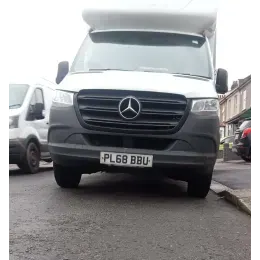
South East London contains many properties where the ideal vehicle cannot reach the front door: Victorian terraces with narrow streets in Peckham and Nunhead, flats set back behind communal courtyards in Greenwich, or Dulwich houses with deep front gardens and steps. When a large truck must park 20–60 metres away, each item must be carried over that distance, often across uneven paving or up a set of steps.
Real operational effect: carry distance multiplies handling time. A single flight carry every few metres for a three‑bed house can add several hours of labour compared with a house with direct kerbside access, which then increases the move cost by both labour and possible overtime charges.
Upper‑floor flats in period conversions (common in Brockley, Ladywell and Honor Oak) usually lack service lifts. Moving large sofas, wardrobes or kitchen units up multiple stair flights requires extra handlers and time. Purpose‑built blocks may have service lifts, but these are often narrow, require padding, and must be booked around peak times; failure to coordinate means stair carries instead.
Operational implications: stair carries increase the risk of damage, require more staff per load for safety, and sometimes mean hiring specialist equipment (stair rollers, hoists). Each of these adds predictable cost—labour rates rise for multi‑person lifts and specialist equipment has daily hire and permit fees.
Transit time between properties in South East London is not just a mileage calculation. Key routes—South Circular (A205), the approach roads to Lewisham and Greenwich and local bridges/tunnels—become congested during peak commuting hours, at market times (Deptford, Rye Lane) and during weekend events (Greenwich festivals, Blackheath gatherings). Narrow high‑street stretches with loading time limits also slow removal vehicles stopping to load.
Practical consequence: traffic delays push moves into overtime or into the next scheduled booking window, creating rebooking fees and stacking risks for crews and subsequent jobs. If a delivery misses an agreed management company slot at the receiving block, you can be charged for a second attempt.
Many new‑builds and riverside developments in Greenwich, around Lewisham shopping areas and parts of Southwark require prior booking of service lifts, loading docks and communal entrances. Management companies will charge for missed slots, late finishes, and required escorts. Separate highway works permits are also required if a crane or external lift must be placed on the pavement or road, and borough approvals take time and money.
Real cost examples: missed service lift windows can mean being forced to move items via stairs (higher labour), or to pay a rebooking/cancellation fee to the development’s management. Crane placement on the highway needs a suspension and permit from the borough—fees that vary but must be arranged in advance.
Build contingency into time and budget specifically for South East London constraints: allow extra crew hours for stair carries, budget for council parking suspensions if a removals vehicle needs kerbside access, and check service lift booking policies and fees with your building management well before the move. For deeper detail on pricing drivers across London, see the wider guidance at moving costs in London and the area overview at removals in South East London. If your property has specific lift or access constraints, the page moving costs in South East London explains local considerations in more depth.
Hidden costs in South East London are usually predictable if you map the physical constraints: parking and permit rules, long carries from kerbside, stair and lift limitations, traffic patterns and management company rules for new builds. Each adds minutes or hours on site, with direct implications for labour, vehicle time and occasional third‑party fees—so account for them when planning timeframes and budgets.
Short, practical answers about why removals can cost more than expected in South East London and what causes additional time and charges.
Waiting time is charged when crews cannot load or unload because of no parking, late keys or locked service lifts. In South East London, narrow streets and controlled parking zones (CPZs) around areas such as Lewisham, Greenwich and Peckham often mean trucks must wait until a bay is available or a suspension is put in place.
Often yes. Boroughs in South East London (Southwark, Greenwich, Lewisham) commonly require a temporary parking suspension or permit for a large removal vehicle. Applying late can add a council fee and force movers to park further away, increasing carry time and cost.
Many riverside and new-build blocks in Greenwich and Lewisham require booked service lift slots, proof of insurance, and management company escorts. Missed or unscheduled bookings can lead to fines from freeholders or additional labour charges for waiting and rebooking.
If your property is a top-floor flat in a Victorian conversion (common in Brockley, Honor Oak, Dulwich) or a terraced house with narrow front gardens, movers face long carry distances and multiple stair runs. These increase labour time and sometimes require specialised equipment, which raises the overall cost.
Yes. Street markets (Deptford, Rye Lane), festival weekends, and scheduled closures in Greenwich and Blackheath can mean longer routes, delays, and rebooking fees. Congestion and slow-moving arterial roads (South Circular/A205, A2 approaches) frequently extend transit time between collection and delivery.
Absolutely. When the internal path is longer than expected, every trip takes more time, and moving jobs are made of many repeated trips. The arithmetic becomes rude very quickly.