What actually drives removals costs in South East London

Why removals costs vary across South East London

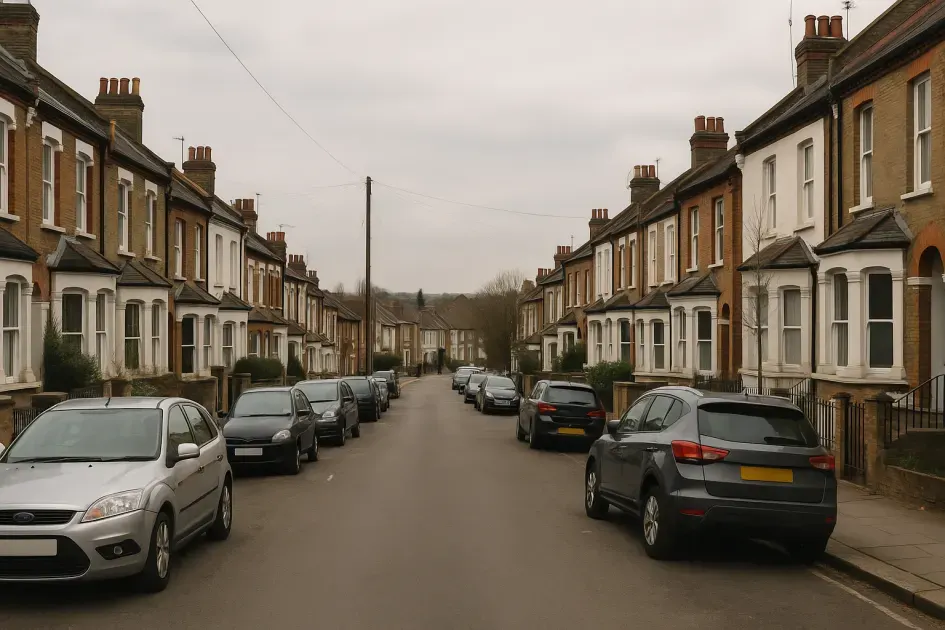
South East London combines dense Victorian terraces, pockets of new-build apartment blocks and suburban semi-detached streets. Those differences change how long a move takes and what equipment and crew are realistic. Costs are driven by physical constraints on the day — not just the number of items — so two moves of the same size can price very differently depending on location-specific factors.

When you want the primary move page rather than just cost research, start with South East London removals service, then use moving costs in London for the wider area view.

Property types and the practical implications

Terraced houses (common in Brockley, New Cross and parts of Lewisham): narrow frontages and internal staircases increase carry time. A four-storey Victorian terrace with narrow stairs slows handling and often requires more crew to avoid damage and keep the job within the booked time.

You will often need to consider For a fuller cost picture, read this alongside hidden moving costs in South East London and property access challenges in South East London. at the same time.

Flats — purpose-built blocks with lifts (for example some blocks in Greenwich and Canary Wharf fringe areas) allow faster vertical moves, but lift booking windows and weight limits create scheduling friction. Walk-up conversions — typical in Peckham and Deptford — mean repeated stair carries and more careful team rotations, adding labour hours.

Semi-detached houses and small new builds (seen in parts of Dulwich and Catford) often allow vehicle access closer to the door. When a driveway or single dropped kerb is available, time on-site drops and so do costs — but new-build estates frequently require management company permissions and fixed loading times, which also add planning time.

Access constraints: parking, narrow roads and permits

Many South East London streets are within CPZs with daytime parking controls. On-street parking or nearby pay-and-display bays may be limited. If a removals lorry cannot park directly outside, crew must carry items across pavement and through busy junctions — each extra 10–20 metres of carry adds tangible time and therefore cost.

Some high-density areas have restricted access for large vehicles, or short windows for loading bays. Applying for a temporary suspended bay or loading suspension from the local council takes time and a small fee, and failure to arrange it risks parking enforcement and delays that translate into waiting charges.

Operational friction: stairs, lifts and carry distances

Stair carries are the most consistent time sink in SE London moves. A single heavy item handled up or down a narrow Victorian staircase can take 10–20 minutes when navigational care is required; multiple such items multiply the labour time. Purpose-built flats with lifts reduce vertical carry time, but lifts often have size and weight limits and can be off-limits during certain hours.

Carry distance from legal parking to the property entrance matters: 0–10 metres is efficient, 10–30 metres is common in terraced streets where a double yellow or loading bay is not available, and 30+ metres typically requires trolleys and extra handling steps. These distances also raise the risk of accidental damage, so removals teams work slower and more cautiously, which increases billed hours.

Vehicle limitations and staging

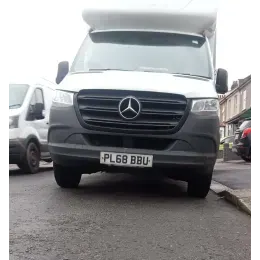
Large removal vehicles reduce the number of loads but need sufficient turning and parking space. In many SE London neighbourhoods the biggest practical vehicle is a 7.5-tonne truck because of narrow streets, low-hanging trees and parked cars. If a larger truck is impractical, moves require multiple journeys or a transfer stage from a large vehicle parked on a main road to smaller vans closer to the property — that transfer activity adds both time and fuel cost.

Longer loading times also occur when a vehicle cannot remain stationary (double-parking risks fines) and crews must shuttle items in timed waves. That staggered operation increases load/unload cycles and therefore the overall job duration.

Crew size and the effect on the bill

Crew sizing is a direct cost driver. For a compact one-bedroom flat on a third floor with tight stairs, two experienced movers may suffice but the job will take longer. For larger family houses or moves with long carries and heavy furniture, three or four movers are common to maintain a safe and efficient pace. Adding each mover raises the hourly rate proportionally; conversely, under-sizing a crew elongates the job and can produce higher total costs due to overtime.

Special handling — pianos, wardrobes, antiques — often requires additional personnel and specialist equipment, especially where stair descents in narrow terraces are involved. That equipment increases setup time and may require a vehicle with a tail-lift, influencing vehicle selection and cost.

Time-based cost increases: hours, day and calendar effects

Hourly charging is standard, so any factor that expands time on-site increases price. In South East London this includes slow parking searches, waiting for lift windows, council permit processing on the day, and dealing with narrow-street logistics. Overtime rates apply if the job overruns the agreed hours — evenings and late finishes can be substantially more expensive.

Day-of-week and timing effects are pronounced here. End-of-month moves, Fridays and weekends are peak periods; demand for trained crews and appropriate sized vehicles rises, pushing prices higher. Early-morning moves can beat rush-hour traffic on arterial routes like the A2 or A20, but may require pre-booked suspended bays. Moves during school holidays or bank holidays also attract premiums due to limited crew availability.

How South East London differs from other parts of the city

Compared with inner-Central London, South East London has fewer large loading bays and more narrow residential streets, which increases carrying effort and time rather than travel distance. Compared with outer suburban boroughs, it has denser terraces and more conversions without lifts, so vertical handling is a bigger factor here than in the suburbs where driveways and garages simplify loading.

Practical planning tips that affect the price

Plan for the physical realities: note whether a property is a walk-up conversion or has a service lift, check if the street is in a CPZ and whether a suspended bay is possible, and allow extra time for narrow-street manoeuvres. For full details on cost drivers across the wider city see moving costs in London, and for hidden fees specific to this area consult hidden moving costs in South East London. To see local service pages and area specifics, visit South East London removals service.

Move size Typical range What usually affects it
Studio / small 1-bed £140–£280 permit-controlled residential streets with short kerb frontage and limited stopping room outside terraced rows and limited on-street stopping.
1–2 bed flat £260–£480 Carry distance, stair cycles, lift access and van positioning.
2–3 bed home £420–£780 Furniture volume, loading distance, disassembly needs and timing pressure.

Common questions about removals costs in South East London

Practical answers to the things people actually ask when moving around South East London — parking, stairs, crew size and scheduling.

Converted Victorian and Georgian flats without lifts are common across Deptford, Brockley and Peckham. Each flight of stairs adds time and physical effort: expect higher labour time on an hourly booking and the need for extra crew if fragile or heavy items are present. Long carries from parked vehicle to flat entrance (often 10–50 metres along uneven pavements) are charged through longer loading and unloading phases.

Yes. Many residential streets in South East London are within controlled parking zones (CPZs) or have permit bays and short-term loading bays. If a suspended parking bay or a temporary loading bay is required, it can add application fees and waiting time. Where a large removals vehicle cannot park adjacent to the property, crew carry distances increase and that translates directly into higher labour time and therefore cost.

Not always. Tight terraced streets, morning market vehicles and narrow one-way layouts in areas like Bermondsey and parts of Greenwich mean 18-tonne trucks are often impossible to position. Using a smaller 7.5-tonne vehicle or parking further away forces more carries and potentially a second loading stage, both of which lengthen the job and raise the price.

End-of-month peaks, Fridays and weekends are busiest across London and command higher prices due to demand for crews and vehicles. Early-morning starts can avoid congestion but may need loading suspensions; late finishes or overtime (after the booked hours) incur premium hourly rates. Bank holidays and school holiday windows also tend to be costlier.

A typical three-bedroom terraced house with standard access and short carries often needs at least a crew of three to finish in an ordinary day. If there are tight staircases, long carries, or multiple parking moves, four or more crew members are commonly required to keep loading/unloading times reasonable, which increases labour costs.

In many cases, yes. A quieter weekday slot can reduce waiting and make access more predictable, especially where factors such as school-run congestion on local distributor roads, around primary schools in residential catchments and heavier peak-period traffic on approaches to the blackwall tunnel, south circular, major river crossings tend to create friction at busier times.