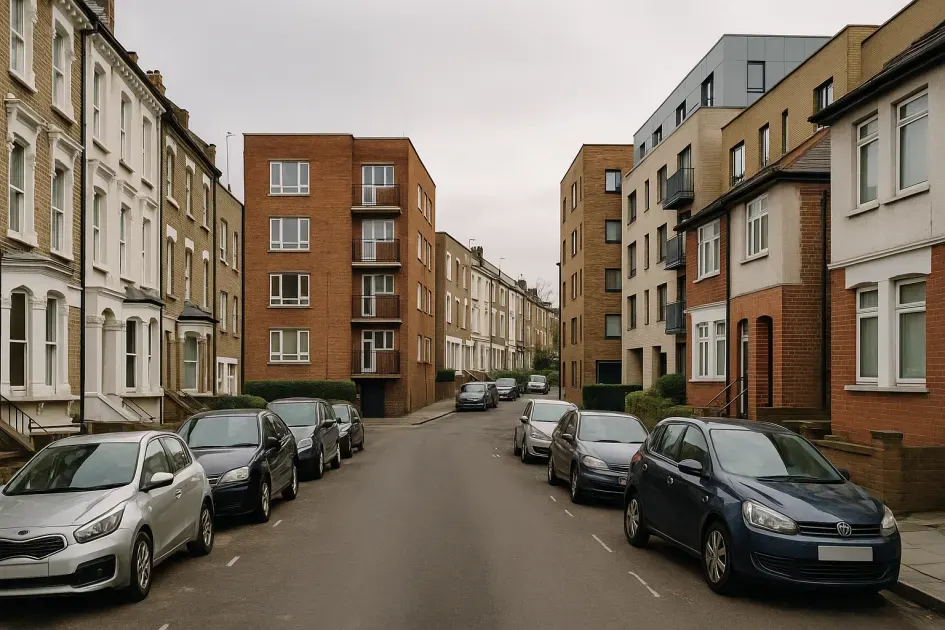
Moving in West London is shaped by a mixture of dense Victorian terraces, converted flats and modern new-build blocks. These building types and the neighbourhoods they sit in create specific, physical challenges — and these challenges translate into real costs: extra labour, permit fees, fines and added hours on the removal van.
removal service in West London is the main booking page for checking availability, pricing and move details in one place, while moving costs in London explains the wider regional context behind cost differences.
Terraced houses in areas such as Notting Hill and Kensington often have narrow staircases and small front doorways that slow bulky item handling. Converted flats in Georgian townhouses typically have no lift and internal corridors that require careful manoeuvring. Semi-detached homes in suburban pockets (Ealing, Chiswick) may have driveway access but lie on narrow residential roads. New builds in Shepherd’s Bush or parts of Hammersmith can have communal loading bays or concierge-controlled access — if the building manager isn’t ready on the day, loading delays are likely.
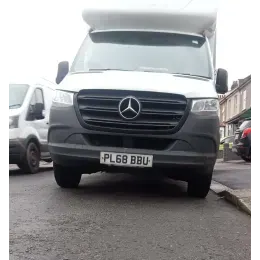
When a van cannot park at the building entrance, crews wait. Common West London causes are resident-only bays, short-term loading restrictions and markets that reduce available spaces. Waiting time is billed as live crew hours plus vehicle charges: a single hour’s delay in a dense street can ripple into multiple hours of extra cost if the crew must wait for a parking suspension to be enforced or a lift to be freed.
Many boroughs in West London require formal parking bay suspensions or temporary permits for a van to occupy a kerbside loading space. These must be applied for with the local council and can take several days. If you move without them, expect parking enforcement in the form of Penalty Charge Notices or wheel-clamping in busy areas, which also creates downtime while the crew resolves the issue. Permit fees and enforcement fines are tangible sums added to the invoice unless arranged in advance; they also extend the job’s duration.
Unexpected charges are easier to avoid when you this page with moving costs in West London and property access challenges in West London.
Street layouts in parts of West London force longer carry distances: mews streets, terraced rows and tight cul-de-sacs limit where a van can stop. Carrying bulky items over longer distances — across cobbles, through alleyways or around parked cars — increases handling time and raises the risk of needing additional crew or protective equipment (ramps, extra trolleys). That labour is charged separately and can shift a quote significantly when it turns out the van cannot park adjacent to the property.
Converted flats and older terraces commonly have steep, narrow staircases. Moving a mattress, wardrobes or large appliances up three storeys without a lift requires more people, frequent rests and often specialist wrapping or padding to prevent damage. Each added person and extra hour directly increases the labour bill and the time a van must be on site.
West London sees predictable and unpredictable delays: morning and evening commuter congestion on feeder roads to the A4/A40, weekend market closures on Portobello Road, Shepherd’s Bush event days and occasional film or TV shoots that close streets with short notice. These can delay arrival and loading, push the move into restricted hours, and create a domino effect where booked crews are unable to reach the property within the scheduled window — again increasing waiting time or forcing rebooking.
If a job overruns because of access constraints or delays, subsequent bookings for the same crew may be affected. Rebooking typically incurs mobilisation costs, and if a vehicle and crew are stranded, replacements must be sourced or the job split across days — both scenarios increase total expense. In boroughs prone to last-minute restrictions, confirm any local events or building management rules early to avoid these overruns.
Every element above has measurable, operational impacts. Extra labour for stairs and long carries increases on-site time by hours; parking permit delays can add days to planning if not arranged in advance; traffic and closures can convert a single-day move into a multi-day operation. These aren’t theoretical — they represent additional crew hours, vehicle time and permit or enforcement fees that change a removal from its quoted price to the final invoice.
When preparing for a move in West London, review the specific access at both properties: is there a loading bay, a lift that needs booking with building management, or a restricted parking zone? Consult the local council’s guidance and timetable for bay suspensions well ahead of the move. For details on cost structures generally applicable across London, see moving costs in London. For other West London removal information, visit removal service in West London and the related page moving costs in West London.
Understanding these West London-specific constraints — the mix of property types, street layouts and council rules — is central to anticipating the true cost of a removal. Planning permits, confirming building access and allowing time cushions for traffic and loading will reduce surprises and the operational costs that arise from them.
Short answers to common questions about unexpected charges and operational risks when moving in West London. These focus on the practical causes of cost increases — parking, access and delays — not generic tips.
High-density streets, resident-only parking zones and narrow loading bays in areas like Notting Hill, Chelsea and Chiswick often force removal crews to wait. If the van can’t park at the property or building staff delay lift access, crews may be charged hourly for waiting — typically adding several hours’ worth of labour costs to the job.
Many West London boroughs (Kensington & Chelsea, Hammersmith & Fulham, Ealing and others) operate controlled parking zones and require temporary parking bay suspensions or a loading permit for a moving vehicle. Applying for those permits can take days and carries a fee — failing to secure them risks parking fines or towing that add direct fines and lost time.
Victorian terraced streets and parallel parking layouts mean vans often stop a street away or on nearby side roads. Long carries (100–300 metres or more, often over uneven pavements or through gates) slow down loading by 30–60 minutes or longer and may require extra staff or hourly charges for extended labour.
Many West London flats — in converted terraces or Georgian townhouses — lack lifts. Each flight increases physical labour and time: moving large items up three or more narrow flights can require additional crew and specialist handling, which is billed as extra labour and can materially change the total price.
West London traffic hotspots (A4/A40 approaches, Shepherd’s Bush market days, Portobello Road weekend closures, and occasional film shoots) can block access at short notice. If a removal cannot proceed as planned, crews may need to rebook, resulting in lost deposit, repeat mobilisation charges and scheduling gaps that increase cost and delay completion.
Absolutely. When the internal path is longer than expected, every trip takes more time, and moving jobs are made of many repeated trips. The arithmetic becomes rude very quickly.