What affects removals costs in West London

How West London’s geography and housing mix shape removals costs

West London isn’t a single type of street — it’s a patchwork of Victorian terraces, mews and garden squares, converted flats above shops, semi-detached family homes in suburbs, and modern new-build blocks with concierge and lift access. Each property type creates different operational needs that directly affect time on site, crew size and vehicle choice, which are the core cost drivers for a removals job.

Property type: terraced houses, flats, semis and new builds

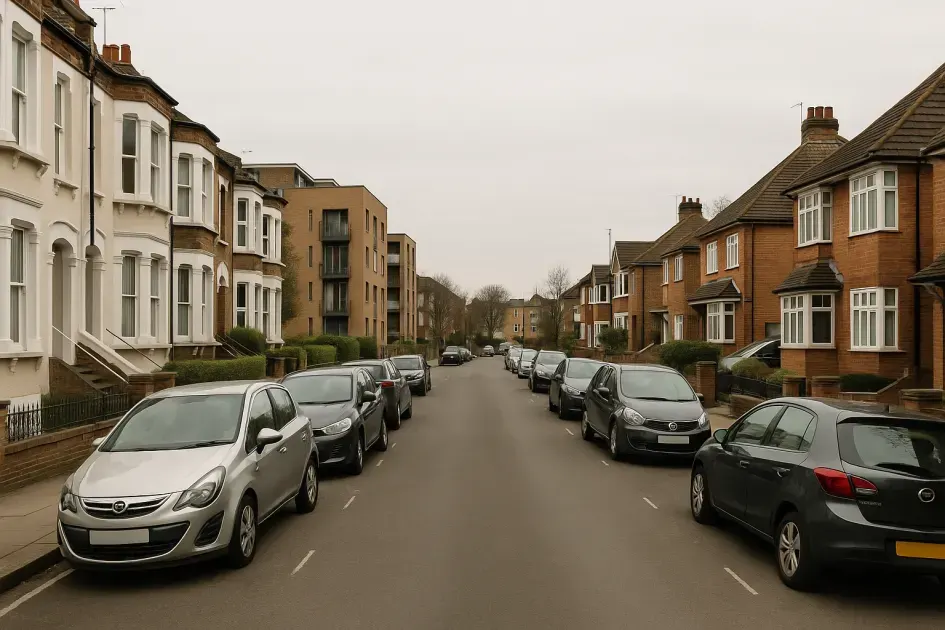
Victorian terraces common in areas like Notting Hill and Kensington often sit on narrow streets with limited kerbside loading. That increases carry distance from vehicle to front door and frequently requires extra crew time for manoeuvring large furniture through tight corridors. Flats above shops or maisonettes above commercial premises (found along high streets such as Portobello Road or Shepherd’s Bush) typically have narrow staircases and tight landings — these constraints multiply handling time and can require specialist packing or protective equipment.

For a parent-area overview, use moving costs in London.

If you want to separate headline pricing from the details that change the final job, hidden moving costs in West London and property access challenges in West London.

removals in West London is the main booking page for checking availability, pricing and move details in one place.

Semi‑detached family houses in suburbs such as Chiswick and parts of Ealing usually provide better vehicle access and off‑street parking, which reduces loading time and the risk of extra charges. New-build blocks in West London, however, bring a different set of rules: concierge hours, strict lift booking windows and service lift size limits can create scheduled loading slots and potential waiting time if not booked in advance.

Access constraints that add real cost and planning time

Local access realities in West London matter in practical ways:

  • Controlled Parking Zones (CPZs) and resident bays limit where a removal vehicle can park; arranging a suspended bay or permit with borough councils such as Kensington & Chelsea, Hammersmith & Fulham or Ealing takes time and may carry a fee.
  • Narrow mews and conservation-area streets (typical around Notting Hill and central Chelsea fringes) often prohibit large lorries; crews may need to shuttle between a legally parked truck and the property, doubling or tripling carry operations.
  • Buildings with no lift, narrow service lifts or low-height service entrances (common in older conversions) make large items harder to move and slow the job down significantly.

Those constraints translate into predictable cost impacts: longer carry distances increase labour hours; permit fees or parking meters become direct expenses; shuttle runs require extra handling time and sometimes more crew.

Vehicle limitations and how they change logistics

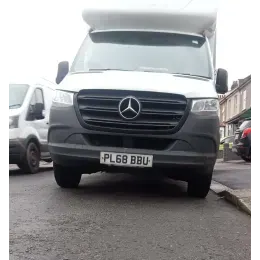
West London streets and loading regulations determine which vehicle sizes are usable. A 26ft removal lorry may be ideal for a four-bedroom house but illegal or impractical on a narrow terrace street or a mews. When a large vehicle can’t access the property, two smaller vehicles or a lorry parked further away plus a shuttle van are common solutions — both increase total hours and require more handling. This is a location-specific cost driver: streets off the A4 or A40 may take large vehicles, while side streets in Holland Park or Notting Hill will not.

Crew size: real-world staffing choices and their cost effects

Crew size is determined by the combination of property type and access. A long, stair-only carry from a flat above a shop requires more personnel solely to maintain a safe, steady workflow and avoid damage — each additional mover raises labour cost per hour. Conversely, a Chiswick semi with a driveway can often be handled by a smaller crew, reducing hourly labour charges. Where shuttle runs are necessary, the crew must cover loading, driving and unloading tasks, effectively increasing the number of man-hours billed even if fewer large vehicles are used.

Operational friction: carry distance, loading time and restrictions

Every extra metre between vehicle and front door in West London has a financial consequence. A legal parking spot a minute’s walk away is very different from a solution that requires a ten-minute trolley run across a garden square or multiple stair loads through a narrow stairwell. Restrictions such as time-limited loading bays (often enforced near retail strips) mean crews may wait for a permitted window or work outside efficient time blocks, stretching job duration. These are not hypothetical; they’re everyday realities that lengthen bookings and push up the final invoice.

When time becomes money: day-of-week and time-of-day effects

West London’s traffic patterns and local rules create clear timing effects on cost:

  • Weekday peak periods (morning and late afternoon) increase travel time on major routes (A4, A40, A316), which raises crew hours and the risk of overtime if loading spills into late slots.
  • Early starts can avoid commuter congestion and reduce time on site, but some developments and estates only permit move-ins during narrow windows — scheduling outside those windows can attract additional charges or require prior approval.
  • Weekends can be easier for parking in certain CPZ areas, but in busy retail hubs or near event venues (for example around Shepherd’s Bush or parts of Fulham) weekend restrictions or event-related closures can increase complexity and cost.

Why West London costs differ from other parts of the city

Compared with inner‑city central London, some West London suburbs offer better vehicle access and off‑street parking, which lowers handling time for family houses. But West London also combines high-density terraces, conservation areas and popular high streets where access is constrained — a mix that creates unpredictable operational friction. Compared with outer zones, West London has higher demand, more CPZs and more frequent need for permits or suspended bays. Compared to East or South London, the proportion of Victorian terraces, mews and narrow garden squares in many West London neighbourhoods produces distinct carry-distance and vehicle-access challenges that routinely increase labour hours.

Practical next steps for planning a West London move

Start by identifying your property type and immediate access: is it a terrace, a flat above a shop, a semi with a driveway, or a new build with booked lift times? Check the local borough’s CPZ and loading rules, and whether a suspended bay or temporary permit is needed. Factor in likely carry distance (vehicle to entrance), lift availability and any pedestrianised streets or garden square restrictions. For background reading on broader London cost drivers see /removals/london/moving-costs and for local unexpected extras consult /removals/london/west-london/hidden-costs. For an overview of moving services in this area, see /removals/london/west-london.

Move size Typical range What usually affects it
Studio / small 1-bed £140–£280 permit-controlled terraces with short kerb access and narrow entrance steps to conversion flats and limited on-street stopping.
1–2 bed flat £260–£480 Carry distance, stair cycles, lift access and van positioning.
2–3 bed home £420–£780 Furniture volume, loading distance, disassembly needs and timing pressure.

Common questions about removals costs in West London

Short, practical answers to the most frequently asked questions about pricing drivers for moves in West London, including property access, parking permits and timing.

Flats above shops — common around Notting Hill Gate, Ladbroke Grove and Shepherd’s Bush — often have narrow internal staircases and no lift. Multiple carrier trips from the van to the flat increase loading time and crew labour; expect higher hourly charges or additional time-based fees because bulky items can only be hand-carried.

Yes. Many streets in Kensington, Hammersmith & Fulham, Ealing and parts of Hounslow are in Controlled Parking Zones or have resident-only bays and limited loading windows. A suspended bay or temporary loading permit can incur council fees and advance application time; if a permit isn’t arranged, longer carries or meters can add labour time and cost.

Not necessarily. A semi in Chiswick with driveway access can be quicker to load, reducing time costs. A Victorian terrace in Holland Park often sits on narrow one-way streets with restricted kerbside space and may require longer carries or smaller vehicles — increasing crew time and therefore price despite shorter overall distance.

Weekday mornings and late afternoons coincide with commuter congestion on the A4, A40 and arterial roads into central London, increasing travel and loading window time. Weekends can offer easier parking in some CPZs but not all; bank holidays and school terms can push costs up because of demand and restricted access times for certain buildings.

Yes. Narrow mews, conservation areas and pedestrianised stretches common in Notting Hill and parts of Fulham often force the use of smaller tail-lift vans or shuttle runs between a large parked lorry and the property. That increases the required crew hours for carrying and coordination, even if fewer trucks are used.

In many cases, yes. A quieter weekday slot can reduce waiting and make access more predictable, especially where factors such as weekday commuter pressure and weekend venue traffic tend to create friction at busier times.