South East London removals: practical moving guide

Step-by-step removals planning for South East London

1. Pre-move preparation: survey the property and access

Start by mapping the physical realities of both properties. In South East London you’ll commonly encounter Victorian terraced houses with no off‑street parking, converted mid‑rise flats above shops, semi‑detached family homes in places like Lewisham, and clustered new‑build estates on former docklands. Each property type creates different constraints:

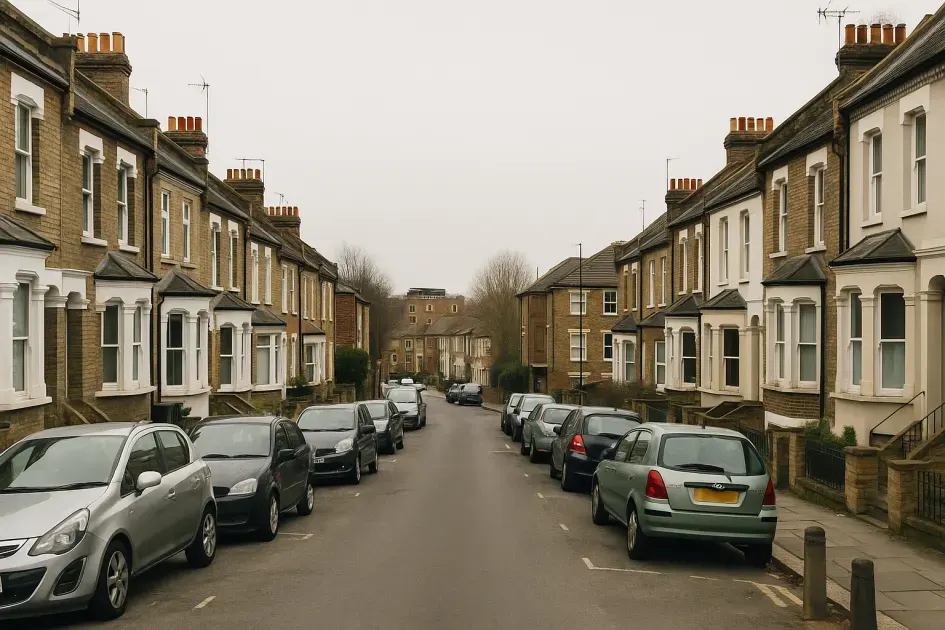
  • Terraced houses: street loading only, potential need for parking suspension when there is no front garden to load from.
  • Converted flats: narrow internal stairs, slim corridors and small flights that often require disassembly of furniture.
  • Semi‑detached houses: usually easier access but may still lack curbside parking close enough for short carries.
  • New builds and estates: service yards, concierge-controlled access and service lifts that require booking and key collection.

Walk both addresses at the times you plan to move. Note kerb drops, bollards, loading bays, and any Residents’ Permit signs. Photograph tight turns where a 7.5‑tonne vehicle or a large removal van would need to manoeuvre — for example narrow lanes behind Deptford Market or approach roads to Greenwich town centre.

For a broader regional view, see London area guide.

When you want the main move page rather than general guidance alone, start with removals in South East London.

You will often need to consider To turn the general guide into a tighter move plan, connect it with moving costs in South East London and property access challenges in South East London. at the same time.

2. Booking timeline: what to arrange and when

South East London moves routinely require coordination beyond just hiring a vehicle. Practical timeline:

  • 8+ weeks before: for large houses, long-distance moves, or if you need a specific weekend date in summer, start planning. Council permits and estate approvals can take time.
  • 4–6 weeks before: secure your removal slot and decide on vehicle size once you’ve inventoried the home. For flats, contact building management to reserve lifts and loading bays.
  • 2–3 weeks before: apply for parking suspensions or loading bay permits from the local borough (Lewisham, Greenwich, Southwark or Lambeth depending on exact location). Typical processing is 5–14 working days; rush applications may be limited.
  • 1 week before: confirm arrival times, expected carry distances and access instructions (gate codes, concierge contact, stair widths). Check that new‑build management has logged your move and that any temporary access passes are ready.

Failing to line up permits or lift slots is a common cause of overnight delays and extra labour charges in this area.

3. Packing considerations for South East London properties

Packing strategy must reflect carry distances and building constraints:

  • Stair and lift limitations: use flat, shallow boxes for long stair carries in Victorian conversions; mattresses and sofas often need compression or disassembly to clear narrow stairwells.
  • New‑build deliveries: many modern blocks have loading bays with tight height/width restrictions — measure items like sideboards and wardrobes against the service lift door size.
  • Street packing: if the vehicle will stop on the street rather than on a private drive, pack the truck in the order items need to be off‑loaded to minimise multiple carries across the pavement.
  • Protective materials: bring floor runners and corner protectors for listed terraces and communal hallways common in Blackheath and Greenwich to avoid damage that will halt work or incur fines from freeholders.

4. Move‑day logistics: loading, carriage and unloading

Operational friction in South East London usually comes from parking constraints, busy high streets and long carries:

  • Parking and suspensions: if you have a parking suspension, place clear signage so other drivers don’t block your space. Without a suspension, you risk having to park farther away and add carry time.
  • Carry distances: every extra 10–20 metres of carry adds crew‑hours. On narrow streets crews will use trolleys and hand teams; on steep approaches (e.g., parts of Blackheath) expect slower progress and more frequent breaks to prevent injuries.
  • Lift/concierge coordination: schedule block lift use in set time windows to avoid waiting. For buildings with concierge staffing, permit gate access in writing to prevent security delays.
  • Traffic and timing: avoid morning school runs on residential streets and midday peak on main roads. Early starts reduce the likelihood of double‑parking issues on dense streets like those near Lewisham station or New Cross road.

Real‑world implication: what looks like a three‑hour job on a driveway can double in time when moves involve long carries, lift bookings or waiting for permits — and labour costs increase accordingly.

5. Area-specific planning tips

Use local knowledge to reduce hiccups:

  • Greenwich and riverside areas: riverside roads can restrict large vehicle turns; pedestrianised zones and market days change access. Book loading slots early and confirm any market closures.
  • Deptford & New Cross: alleyways and terraced rows mean unreliable street parking—plan for at least one long carry and pack fragile items to avoid repeated handling.
  • Blackheath & Greenwich Park approaches: narrow roads and conservation area protections may restrict where you can place a vehicle — expect to pay for suspensions and allow extra time for manual carry.
  • Lewisham and Brockley: hillier streets and stepped approaches can make trolley use impractical; allow for more manual handling time and additional crew if large furniture needs moving.
  • New‑build estates: contact estate management early for vehicle entry, booking service lifts and getting temporary passes; failure to do this is a frequent source of costly delays.

For broader context about South East London neighbourhoods and transport links that affect routing and timing, see the area overview at London area guide and the local removals page at removals in South East London. For specific building issues check the companion page on property challenges at property access challenges in South East London.

Final checklist before move day

  • Confirm parking suspension or loading bay permit and place signage the evening before.
  • Reserve lift/concierge time slots and leave contact details for building management.
  • Measure big items against staircases and service lift openings; pre‑disassemble where possible.
  • Plan for extra crew or time if the job includes long carries, narrow staircases or listed building protections.

Being realistic about access, carry distances and local permit requirements is the best way to avoid unexpected time and cost on the day of your move in South East London.


Frequently asked questions

Answers to common, location-specific questions about removals in South East London — permits, carries, lift bookings and timing.

For typical terraced houses or two‑bed flats in South East London book at least 4–6 weeks ahead for a weekday move; during summer or bank‑holiday weeks allow 8+ weeks. If you need a council parking suspension, lift/concierge slots, or a Saturday move in a busy neighbourhood such as Greenwich or Blackheath, you should start the process 3–4 weeks earlier to allow permit processing and slot coordination.

Most terraced streets and high streets in SE London are within Controlled Parking Zones (CPZs) or have limited loading bays. Short-term unloading can be done on single yellow lines during permitted hours, but long loading operations usually require a suspension or loading bay permit from the local council. Expect application windows of 5–14 working days and costs typically from around £30–£120 depending on the borough and length of suspension.

Converted Victorian buildings often have narrow staircases and small lift cars that can’t take large wardrobes or mattresses whole. New-build blocks have concierge-controlled loading bays and service lifts that must be booked in advance — failure to do so can add hours of delay for waiting and re-scheduling on move day.

If the removal vehicle can’t park directly outside — common in streets with no front gardens or restricted loading — every 10–20 metres of carry adds labour time. For sizable moves this can add 1–3 crew-hours per 50 metres carried and may require extra crew or dolly use, increasing the final cost and the time required for loading/unloading.

Yes. Expect narrow turning and parking constraints in hilltop areas like Blackheath, tight terraced rows in Deptford and New Cross, and riverside loading restrictions along Greenwich Peninsula and Rotherhithe. Large new-build estates often require advance booking with estate management for vehicle access and lift use.

Return to the main service page once the logistics are clear and you are ready to progress the actual booking path. Planning pages should support that step, not compete with it.