West London removals — practical moving guide

Moving in West London: a practical step-by-step guide

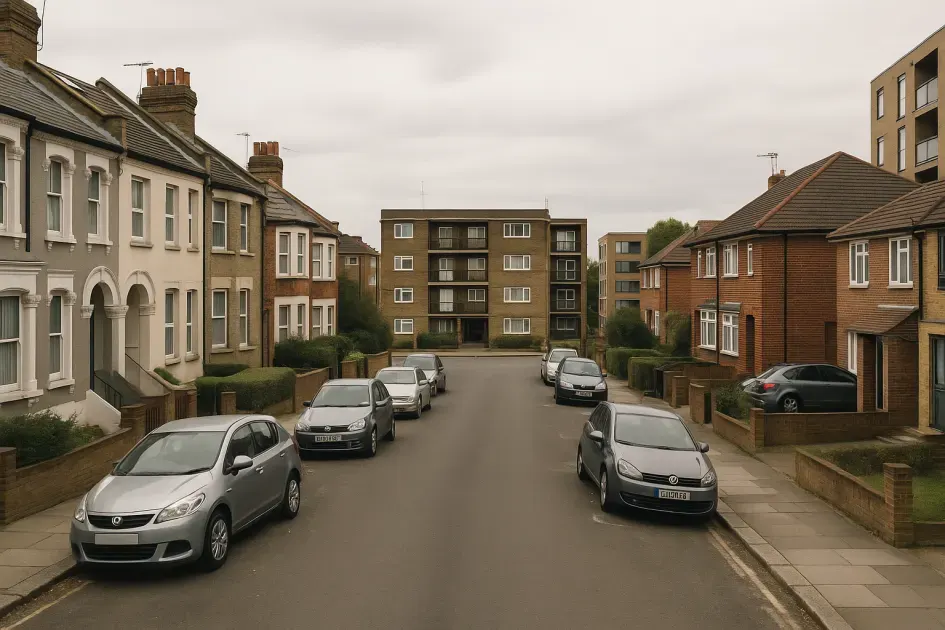
West London moves are shaped by the area's mix of period terraces, converted flats, leafy semi-detached streets and gated new-build developments. Streets can be narrow, Controlled Parking Zones (CPZ) and council permits are common, and mansion blocks frequently limit lift access and operating hours. This guide covers pre-move checks, realistic booking windows, packing choices geared to local property types, move-day sequencing and area-specific tips informed by West London’s real-world constraints. For a wider view of the city, see /removals/london/area-guide and to dig into building-specific problems check /removals/london/west-london/property-challenges. For neighbourhood-level details see /removals/london/west-london.

When you want the main move page rather than general guidance alone, start with West London removals service and use London area guide for the broader regional picture.

1. Pre-move preparation — survey the property and site access

Start with a focused survey of the two most important things in West London: the property type and the immediate street access.

You will often need to consider To turn the general guide into a tighter move plan, connect it with moving costs in West London and property access challenges in West London. at the same time.

  • Terraced houses (Fulham, Shepherd’s Bush, Chiswick terraces) — many terraced homes have shallow front gardens, raised thresholds and narrow hallways. Large items such as wardrobes and sofas will often need partial disassembly to get through Victorian doorways; allow extra labour and time for careful manoeuvre to protect cornices and banisters.
  • Converted flats and mansion blocks (Kensington, Notting Hill, Hammersmith) — communal staircases are frequently steep and narrow and lifts (if present) are compact. Management companies commonly require advance notification, limited lift booking slots and proof of insurance. Expect enforced one-way carrying routes and restrictions on padding the lifts and corridors.
  • Semi-detached properties and suburban streets (Ealing, Acton, parts of Brentford) — many have driveways which simplify loading, but cul-de-sacs and narrow residential avenues can force the removal vehicle to park a distance away.
  • New builds and gated developments (Chiswick Riverside, some Ealing developments) — these sites often provide on-site loading bays but require a booking with concierge or management; some have height limits in underground parking and strict delivery time windows. Expect a requirement to sign in, provide vehicle details and follow protective-flooring rules.

Real-world implication: differences above determine crew size, vehicle type, required protective kit and total loading time — which in turn affect cost and scheduling.

2. Booking timeline — when to arrange what

West London requires an earlier and more co‑ordinated timetable than many suburbs because of CPZs, market days and building management rules. Use this as a working schedule and adjust according to the complexity of your property.

  • 6+ weeks before move: arrange an access survey with your removals operator so they can quote accurately for crew, equipment and hours. If your street is within a busy borough (RBKC, Hammersmith & Fulham, Ealing) begin the temporary parking suspension application now.
  • 3–4 weeks before: submit formal parking suspension or bay closure requests to the local council. Contact your building manager or freeholder to reserve communal lift slots and read their delivery rules. Check local event calendars — Portobello Market (Notting Hill) and seasonal shows can block key streets.
  • 1–2 weeks before: confirm moving day windows with building management and the removal team, supply photos of staircases, narrow doorways or mews entrances, and provide any necessary vehicle documentation requested by a concierge.
  • 48 hours before: reconfirm parking suspensions, drop pin and access instructions to the removal crew, and ensure you have keys and entry codes for all internal doors and communal gates.

Real-world implication: late applications for parking or lift slots often force early-morning starts to beat enforcement or push moves to evenings when management will no longer permit access, increasing staff overtime and cost.

3. Packing considerations — pack for West London physical constraints

Packing choices should reflect expected carrying and handling requirements in the area.

  • Boxes and weight limits for stair carries: in terraced and converted flats restrict box weight to manageable sizes (10–15kg) because long stair carries in narrow stairwells are tiring and slow. Smaller boxes reduce breakages and speed up cycles.
  • Large furniture and period features: sofas, large wardrobes and pianos commonly need dismantling to clear narrow doorways and turns in Victorian houses. Plan for extra time and potentially specialist disassembly/reassembly services, particularly in areas with classical facades where frames and cornices must be preserved.
  • New builds and protected communal areas: expect requirements for floor protection, lift covers and restricted handling windows. Some management companies insist on certified protective materials and may levy charges for damage.
  • Fragiles and antiques: West London properties often contain built‑in features and antiques; use bespoke packing crates or specialist insurances where needed—particularly for high-value items that need to pass through tight corridors and turns.

Real-world implication: packing decisions directly affect the number of handovers between van and property, the speed of each load, and therefore the total hours charged for the move.

4. Move-day logistics — sequencing to reduce friction

Plan the sequence to minimise double-handling when streets, lifts and parking are constrained.

  • Start time: mid-morning departures can avoid peak-hour congestion on arterial routes like the A4/A40, but you must balance that against council or concierge permitted loading hours. For market areas (Portobello Road), avoid Saturdays or plan very early starts.
  • Parking and suspension bays: ensure permits or suspension notices are displayed before unloading. Enforcement is frequent: attendants enforce CPZs and meters continue to run until the correct paperwork is visible, which can mean costly parking fines and wasted time if overlooked.
  • Lift and stair management: if the property has a small lift expect multiple back-and-forth trips: a lift that fits only a couple of boxed items will slow the whole job. Book lift slots in advance and allow 25–50% extra time on the day for queuing and padding/covers.
  • Carry distances and mews: where vehicles cannot enter (mews, garden squares) factor in manual carries of 30–100 metres. That requires extra manpower and trolleys and increases loading/unloading time significantly.
  • Security and access control: have keys, fobs and building contact numbers to hand. Many West London flats require a resident or estate staff to admit operatives, which delays progress if unavailable.

Real-world implication: a move that looks like a 4‑hour job on paper can easily become a 7–8 hour operation once lift waits, parking enforcement and extra carries are included — plan for contingencies in your schedule and budget.

5. Area-specific planning tips

  • Notting Hill and Portobello Road: street markets and narrow terraces mean Saturday moves are often impractical. Book weekdays and avoid market morning clear‑outs when access is blocked.
  • Kensington & Chelsea: expect a high density of CPZs, many garden squares with no vehicular access and management companies that require formal advance notice and specific lifting protection. Apply for parking suspensions early.
  • Chiswick and Barnes riverside zones: riverside roads and towpaths restrict vehicle access in places. If your property backs on to a service lane, confirm whether loading bays are available and whether weight or height restrictions apply near embankments and bridges.
  • Ealing and suburban West London: many semi‑detached streets have driveways which help, but low kerbs and tree pits can restrict van approach. Check whether your street has a Resident Permit scheme which may block convenient parking space during the day.
  • Hammersmith and arterial routes: although arterial routes give quicker access into central London, one-way systems and short single-lane streets in Hammersmith require precise arrival timings to avoid lengthy detours and additional carrying distances.
  • Events and seasonal factors: Notting Hill Carnival and local festivals close roads for extended periods; during these times council permission for vehicle movement can be impossible to obtain. Plan moves outside these dates or book months in advance if unavoidable.

Final practical step: collate a single page of instructions for the removal crew that includes exact parking bay numbers or house side, lift availability and slot times, any management contact names and phone numbers, and photographs of narrow entries or staircases. That simple pack reduces on-the-day queries and prevents delays caused by repeated site inspections.

For more on local removals options and a broader West London overview visit /removals/london/west-london and /removals/london/area-guide. For detailed building-level constraints consult /removals/london/west-london/property-challenges.


Frequently asked questions about moving in West London

Short answers to common West London removal issues — parking suspensions, no-lift flats, concierge requirements and local events that affect access and timing.

Apply as early as possible — start 3–6 weeks before your move. Boroughs covering West London (for example Kensington & Chelsea, Hammersmith & Fulham and Ealing) process applications at different speeds; simple single-bay suspensions may be done in 7–14 working days but busy zones near market streets or major high streets can take longer. If you need traffic marshals or multiple bays allow extra time for the council and for notifying residents.

No-lift carries in central West London typically double the time per load compared with a ground-floor move. Expect longer loading windows, more crew for safe handling of heavy items, and additional labour charges to cover increased carry distance through narrow communal staircases common in Victorian conversions around Notting Hill and Holland Park.

New builds (for example riverside developments in Chiswick or gated blocks near Ealing Broadway) often require advance booking with the building manager or concierge, proof of insurance for the removal vehicle, specific vehicle details and a pre-booked lift time slot. Management companies commonly restrict large deliveries to weekday daytime windows and may insist on protective matting in common areas.

Yes. Avoid Portobello Market on Saturday mornings in Notting Hill and plan well away from the Notting Hill Carnival period in August when road closures can render streets impassable. Streets near South Kensington museums and Chelsea may be busy during show weekends (e.g., Chelsea Flower Show) and local match or event days can increase congestion on arterial routes like the A4 and A314.

Many West London properties back onto mews or garden squares where vehicles cannot enter. That creates extra carry distance: plan for hand carries over 30–60 metres, additional crew and protective equipment, and potentially an uplift in cost to cover time. Check whether the square has a delivery gate and whether the estate office requires advance notice.

Return to the main service page once the logistics are clear and you are ready to progress the actual booking path. Planning pages should support that step, not compete with it.