Hidden costs of removals in East London

Why removals in East London attract unexpected costs

East London is a patchwork of narrow Victorian terraces, converted flats, semi‑detached houses and modern riverside new builds. That variety creates very specific operational friction on moving day: parking constraints in CPZs, long carry distances from main roads to inner courtyards, timed access windows at concierge‑run developments and high enforcement for illegal parking. Each of these affects time on site and the number of crew hours required — the fundamental drivers of extra charges.

Waiting time charges: how local access delays add up

Waiting time charges appear when the removal crew cannot begin or finish loading within the scheduled hours. In East London this commonly happens because a council loading bay needs a suspension, a building manager hasn’t opened the gated entrance, or traffic delays prevent the lorry arriving in the agreed slot. Expect waiting time to be billed as extra labour hours if the crew is held up by these local access issues, particularly around busy hubs such as Stratford, Canary Wharf and Shoreditch where delivery slots are tightly scheduled.

East London removals service is the main booking page for checking availability, pricing and move details in one place, while moving costs in London explains the wider regional context behind cost differences.

Parking suspensions, permits and parking fines

Many streets in East London are inside Controlled Parking Zones (CPZs) or have resident bays and loading bays managed by boroughs. For direct access you often need a temporary suspension for a pay‑and‑display bay or a council removal permit. Suspension fees vary by borough and failing to arrange one can result in parking penalties that the mover will either charge back to you or that prevent the lorry from parking where planned, increasing carry distance and time. This is particularly common around tower blocks in Tower Hamlets and dockside developments where loading bays are ticketed or restricted to specific hours.

Unexpected charges are easier to avoid when you this page with moving costs in East London and property access challenges in East London.

Long carry distances in terraces and converted flats

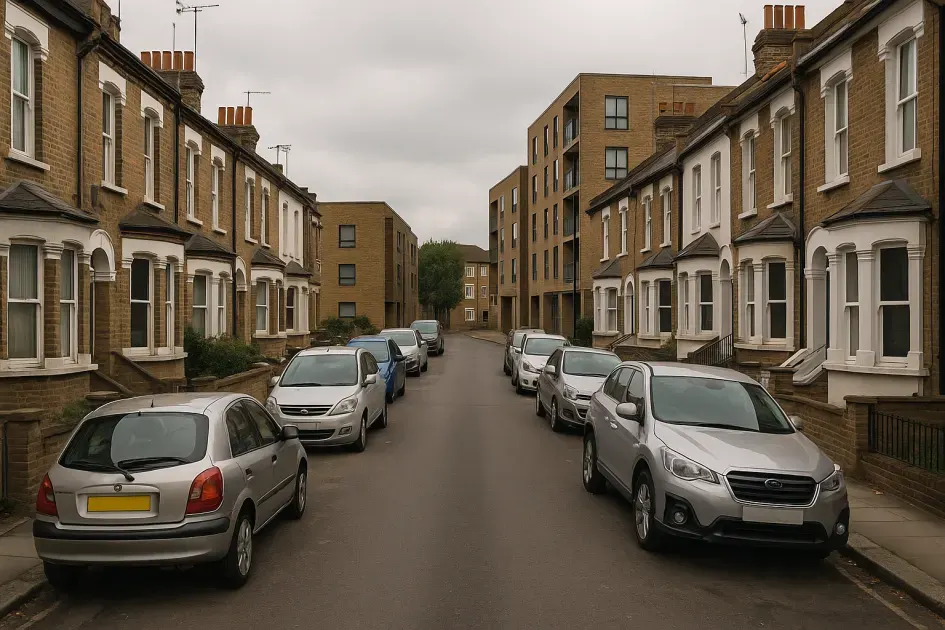
Terraced streets in parts of Hackney, Bethnal Green and Hackney Wick frequently lack space for a large removal vehicle to park directly outside the property. Converted flats often have narrow communal entrances and staircases. These access realities force multiple additional carries across pavements, through courtyards or down alleys — each carry multiplies labour time. Practically, a 40–50m carry across uneven paving or through a shared yard can add 30–60 minutes of crew time compared with properties with direct kerbside access.

Extra labour because of stairs, awkward access and tight corridors

East London’s older housing stock includes steep, winding stairs and small landings that require more time and manpower per piece of furniture. For example, narrow stairs in Victorian conversions mean larger items must be taken apart, carried horizontally, or handled by extra crew for safe manoeuvring. Conversely, modern new builds in Docklands may have lifts but require lift protection and supervision by building management — both of which extend loading windows and add cost. The operational impact is increased crew hours and sometimes the need for specialist handling or protective kit.

Delays caused by traffic, one‑way systems and street restrictions

Traffic patterns in East London — busy commuter routes, frequent roadworks and one‑way systems through areas like the Isle of Dogs and around the A12 corridor — can turn a short distance into a lengthy detour for large removal lorries. Weekend markets or event days (for instance Columbia Road on Sundays) may close streets completely. These local traffic realities increase travel time between properties and depots, can invalidate tight same‑day schedules, and create a high risk of overruns that lead to additional hourly charges or the need to rebook follow‑on work.

Rebooking, overruns and real operational risks

When a move over‑runs due to access problems, councils refusing a last‑minute parking suspension, or unexpected stair carries, the knock‑on effect is a backlog of jobs and potential rebooking costs. In East London, where many jobs are constrained by time‑coded building delivery slots (new builds and offices around the Docklands), an overrun often forces a return visit at a later date because the next appointment cannot be delayed. That return visit comprises travel costs, minimum labour charges and possible repeat permit applications — all tangible expenses driven by the local operating environment.

Where to read more

For a broader picture of how removals costs are calculated across London, see moving costs in London. For East London specific guidance on planning a move and typical operational constraints, visit East London removals service and the related page moving costs in East London.


Frequently asked questions about unexpected East London removal costs

Practical answers for common surprises movers face in East London — focused on operational causes (access, carry, delays) rather than generic tips.

East London streets often have timed loading restrictions and limited kerb space. If a removal vehicle cannot start loading because a suspension bay hasn’t been granted, a lift is delayed by concierge windows in new builds, or congestion pushes the crew beyond the scheduled load window, crew waiting time is charged. In practice this comes from pay‑per‑hour labour rates multiplied by the period the vehicle or crew are idle while waiting for access.

Many East London boroughs (central parts of Tower Hamlets, Hackney, Newham and adjacent wards) operate Controlled Parking Zones and dedicated loading bays. For a removal lorry to park directly outside a terraced house in Shoreditch or a block in Canary Wharf you often need a temporary suspension or building‑specific delivery permit. Councils charge for bay suspensions and failure to arrange one can result in tickets or being forced to move further away, increasing labour and time costs.

Converted Victorian terraces and mews houses in parts of East London commonly have narrow frontages and internal courtyards, meaning vans must park on a nearby main road and crews carry items over longer distances. Converted flats and maisonettes frequently have communal corridors, longer stair carries and no vehicle access — all of which slow loading and usually require extra labour units on the day.

Many converted flats in east boroughs lack wide goods lifts; older buildings have steep, narrow stairs which take longer to negotiate. New‑build developments around Docklands or Stratford often insist on pre‑booked delivery slots, lift protection and supervised access — processes that add time and sometimes mandatory third‑party fees. If a lift is too small for a sofa, crews must use stairs, significantly increasing labour time.

East London has busy arterial routes, one‑way systems and market days (for example Columbia Road on Sundays) that can close streets or push traffic onto alternative narrow roads. Roadworks around transport hubs or temporary closures near the Royal Docks and Stratford can force longer approaches or detours for large vehicles, creating schedule overruns and potential rebooking if the crew cannot complete the job within the booked time.

Surface the awkward details early. The more honestly the access route, loading position and timing pressure are described, the fewer surprises show up later as overrun.