East London is not uniform. A move on a terraced street in Hackney will feel different from one into a riverfront new build in Canary Wharf or a semi‑detached home near Leyton. These local differences translate directly into time on site, number of vehicle trips, crew requirements and the administrative work needed — all of which push the price up or down.
Use removals in East London first for the core service page when you want the clearest route from cost planning to booking.
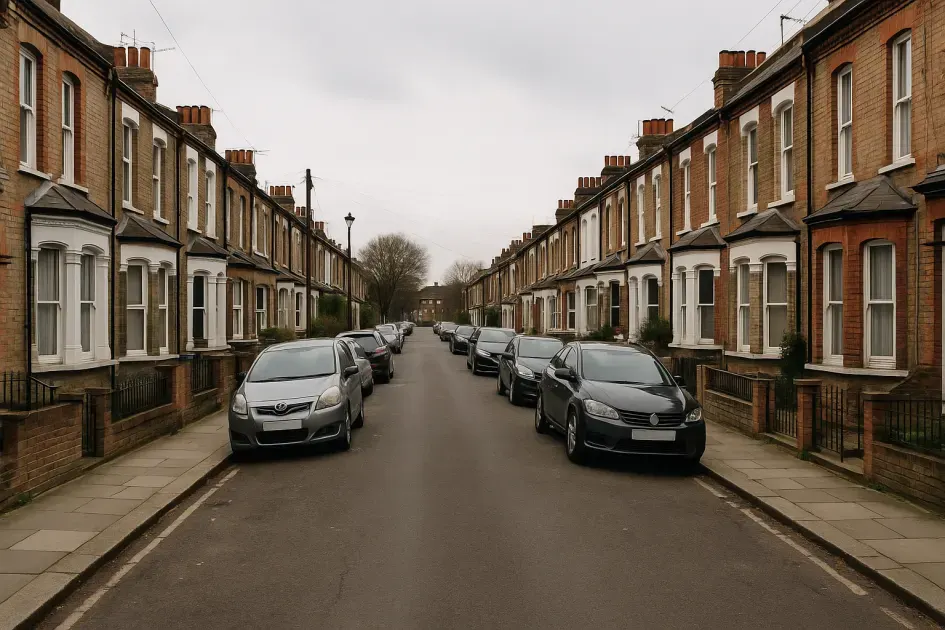
Terraced houses: Victorian and Edwardian terraces are common across Hackney, Tower Hamlets and parts of Newham. Narrow hallways and staircases, small entryways and uneven layouts increase handling time and often require extra crew to manoeuvre large items safely. Expect labour time to rise by 20–40% for tight terraced properties compared with a same-size bungalow with direct vehicle access.
In practice, this usually connects with To see where budget drift usually comes from, pair this page with hidden moving costs in East London and property access challenges in East London..
For a parent-area overview, use moving costs in London.
Flats (walk‑ups and lift‑served): Walk-up flats in East London (Walthamstow, Bethnal Green) require multiple carries up flights of stairs; each extra flight adds handling time. Lift-served blocks can reduce carrying time, but many lifts in converted Victorian blocks or high‑density post‑war blocks are small — large sofas, wardrobes or pianos may not fit and must be taken down or hoisted externally, which adds cost and planning. New-build towers (Canary Wharf, Greenwich Peninsula) routinely impose time-windowed deliveries and strict lift booking rules that create scheduling friction and potential waiting charges.
Semi‑detached / suburban styles: In areas towards East London’s outer borough edges, semi‑detached properties often have better kerbside access and short carry distances, lowering time on site. However, even these streets can be in Controlled Parking Zones (CPZs) that require temporary suspensions for loading vehicles.
New builds and riverside developments: Modern developments frequently restrict vehicle size on access roads, require prior loading-bay booking, and have concierge or estate-management conditions (timeslots, insurance certificates). These administration steps add fixed costs and risk of chargeable delays if time slots are missed.
Parking and permits: Much of East London sits inside CPZs where a moving vehicle needs a suspension or permit; without it, loading can be interrupted by enforcement. In high‑density pockets (Shoreditch fringe, parts of Tower Hamlets) locating a legal loading bay within a short carry distance can take time and multiple repositionings.
Narrow roads and mews: Certain streets are too narrow for larger rigs, forcing the use of smaller vehicles or multiple shuttle trips. Each additional shuttle trip multiplies loading/unloading time and increases mileage charges.
Stairs and lift restrictions: Tight or broken lifts, small lift interiors in period blocks, and long flights of stairs increase manual handling time and often require more staff to keep the timeline safe. If a lift cannot be reserved exclusively during the move, crews can be delayed by residents’ use, which is billed as extra hours.
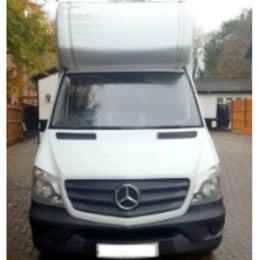
Large removal lorries are efficient but not always usable in East London. Low bridges, narrow residential lanes and weight/length restrictions near canals and canal bridges sometimes prevent 7.5‑tonne vehicles from direct access. When a large vehicle cannot stop near the property, the operation becomes a shuttle job using smaller vans — that adds labour, time and vehicle cost.
Traffic and river crossings: Blackwall Tunnel queues, bridge restrictions and one-way systems in areas such as Bow or around Stratford can add unpredictable travel time between load and unload points. Travel time affects the minimum chargeable window and can lead to mid‑move time overruns.
Crew size must match the site realities. A standard two‑person team may be adequate for a one‑bed flat on the ground floor with short carry, but a three‑ or four‑person crew is common for mid‑terrace family homes or moves involving many bulky items and long stair carries. Adding each crew member increases the hourly rate but reduces elapsed time; the balance depends on access constraints and lifting requirements.
Specialist labour: Items that require dismantling, specialist handling (grand pianos, heavy safes) or crane/hoist work for high-level removals bring in specialist crews and equipment, raising fixed costs and planning time.
Peak commuter periods: Morning inbound traffic to Canary Wharf and business districts, and evening outbound peaks, lengthen transfers and may increase hourly labour billed. Moving vehicles sitting in traffic can push a job beyond its scheduled window.
Day of week: Saturdays are the busiest for residential moves across East London and typically command higher rates; many estate-management loading slots are less available on weekends. Midweek moves outside month-ends are usually easier to schedule and cheaper.
Bank holidays and event days: Stratford (London Stadium) and large venues produce spikes in local traffic and parking restrictions on match or concert days. These events translate to longer travel times and possible premium charges for working outside normal windows.
Book any council parking suspensions or private loading-bay slots well in advance to avoid on-the-day waiting charges. Confirm lift dimensions, access routes and potential carry distances; an accurate assessment of these elements helps set appropriate crew numbers and vehicle planning. For more detail about moving logistics in the area, see the main East London removals overview at removals in East London, and the broader London cost factors at moving costs in London. If you’re worried about unexpected extras, check local rules on permitted charges and potential additional fees at hidden moving costs in East London.
Compared with central London, East London mixes dense terraces and constrained walk‑ups with modern towers and estate-managed developments. That variety produces a wide range of logistical challenges: some streets are harder to access than equivalent properties in outer boroughs; some new-builds add admin friction not seen in older suburbs. Real cost drivers here are the physical access to the property, local vehicle routing and emissions rules, the time windows imposed by estates and the required crew size to safely handle the carry. Each of those factors converts directly into extra time, more vehicle trips or specialist labour — and that is what actually moves the price on an East London removal.
| Move size | Typical range | What usually affects it |
|---|---|---|
| Studio / small 1-bed | £140–£280 | variable lift access and side-street loading. |
| 1–2 bed flat | £260–£480 | Carry distance, stair cycles, lift access and van positioning. |
| 2–3 bed home | £420–£780 | Furniture volume, loading distance, disassembly needs and timing pressure. |
Short, practical answers to the common cost-related questions people face when moving in East London. Each answer reflects local access, building and traffic realities.
Victorian terraces commonly have narrow doorways, tight staircases and no off-street parking. Those constraints increase carry time, require extra hands for safe manoeuvring and often mean longer loading windows — all of which increase labour hours. Expect each additional flight of stairs and each long carry (over 30 metres) to add measurable time and therefore cost.
Yes. Many riverside new-builds have strict loading bay rules, concierge time slots and lift size limits. Booking a loading bay or moving time with estate management can require permits or fees. If removals are delayed by access windows or lift build-up, crews are billed for waiting and additional hours.
East London sits inside Greater London zones covered by low-emission rules. Non-compliant vehicles face daily charges or penalties, which are added to operational costs if alternative compliant vehicles are required or charges must be paid during the move.
Weekday mid-mornings outside peak commuter flows (after 10:00) and mid-week dates away from month-ends and bank holidays are generally less costly. Saturdays are in highest residential demand and often attract premium rates; moving during peak event days (football, concerts in Stratford/West Ham) also drives up times and costs.
Arrange any council parking suspensions or estate loading-bay bookings at least 7–14 days before the move. Local authority processing and estate concierge rules in Canary Wharf, Docklands, and many modern developments often require advance notice and a confirmed slot to avoid stand-by waiting charges.
Share the access reality early, confirm where the van can stop, and flag anything unusual about the route inside the property. In East London, accurate planning is usually the cleanest way to keep the job close to expectation.