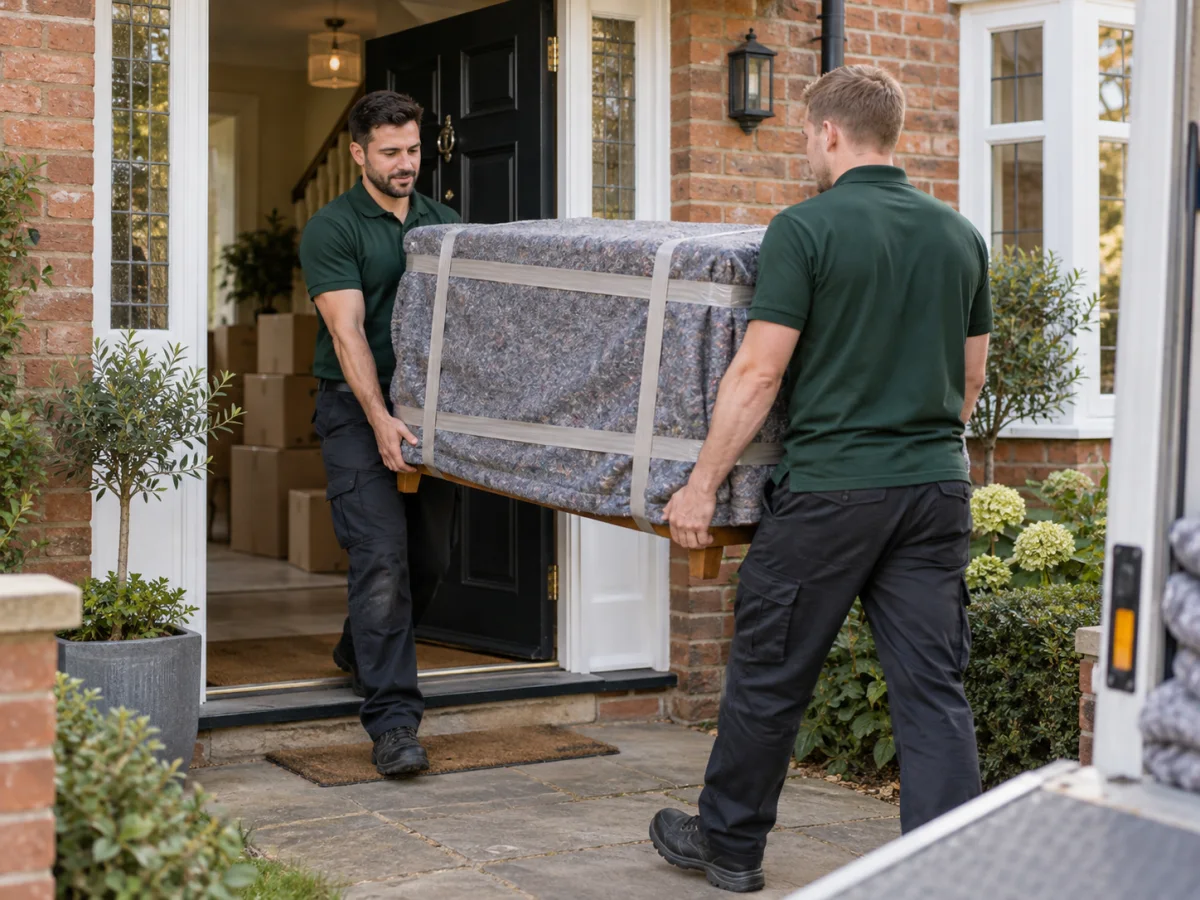
House removals
Furniture, appliances and packed belongings. Include the loft, garage and garden items in your inventory and check the vehicle capacity.
Explore house removalsREMOVALS IN East London
Book your move through Find My Man and Van. Choose the transport and loading help you need, see your quote before booking, and get support through to completion. We allocate a suitable vetted independent provider around your requirements and availability.

Choose your removal service
Start with your belongings and property access. Choose the service below, then get a quote using your actual moving details.
Furniture, appliances and packed belongings. Include the loft, garage and garden items in your inventory and check the vehicle capacity.
Explore house removals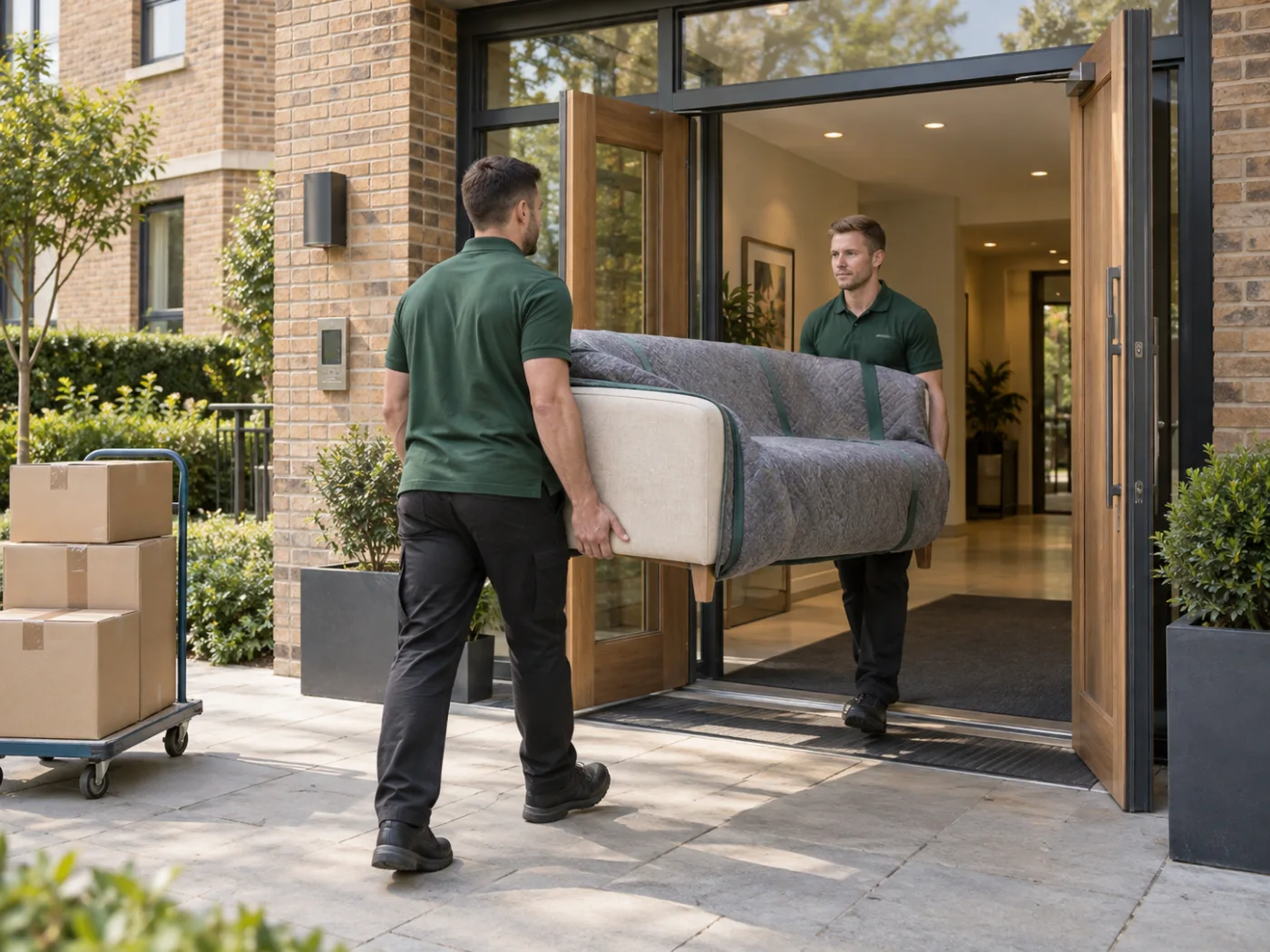
Plan for stairs, lift dimensions and carrying distances. Tell us about restricted access and any building reservations at both ends.
Explore flat removals
Desks, seating and packed equipment. Coordinate building contacts and moving hours, and arrange IT preparation separately.
Explore office removalsBooking your move
Give your addresses, date, inventory and access details.
Review the vehicle, loading help, booked time and payment options.
Your booking is confirmed when a provider accepts, is allocated and we confirm it to you.
Payment alone does not confirm availability. On moving day, pay any remaining balance as agreed, or complete customer sign-off for an advance-payment booking.
Independent feedback
Company-wide reviews of moves booked through Find My Man and Van.
Selected five-star reviews. The overall rating above covers all company reviews on REVIEWS.io.
Company-wide customer feedback
Very efficient and easy to use website. Driver was great too. Very happy!
Company-wide customer feedback
Booking on the website was really easy and simple and I was able to contact the driver after my booking had been processed and confirmed. The driver came early and he also helped me put my things in the van and I was able to hop in the van to the drop off location. It was a very seamless experience, I would book again.
Company-wide customer feedback
I received an Excellent service from Find My Man and Van Ltd. Making the booking wlent smoothly, and The driver, Samai was super helpful and arrived on time exactly as planned. I could not have wished for a better service on this booking.
Your quote, explained
Your quote reflects the complete inventory, vehicle capacity, selected loading help, booked time, journey and access at both properties.
Compare quotes using the same load and service requirements. A short drive can still involve stairs, long carries or time waiting for access.
How pricing and payment work →Applicable parking, congestion or clean-air charges, tolls and ferry fares are separate. Changes to your move details can affect the quote.
Before moving day
Confirm a permitted loading point at each address. Check any permissions with the council or building manager and agree who will arrange them.
List every item, pack and label your belongings and select sufficient loading help. Tell us about awkward furniture, stairs and lift restrictions.
Have a contact at both properties and discuss restricted building hours or uncertain key handover before booking. Arrival times are estimates.

Availability by day, based on active local drivers and recent booking patterns.
This guide uses information for the wider London service area.
Estimate based on active local driver coverage. Availability varies by route, van size and time.
Availability guide · Based on local driver coverage, not a live reservation.
Explore our full removals services across London.
Use the main London service pageLocal moving information
Explore the local guidance and links below for your collection and delivery arrangements.
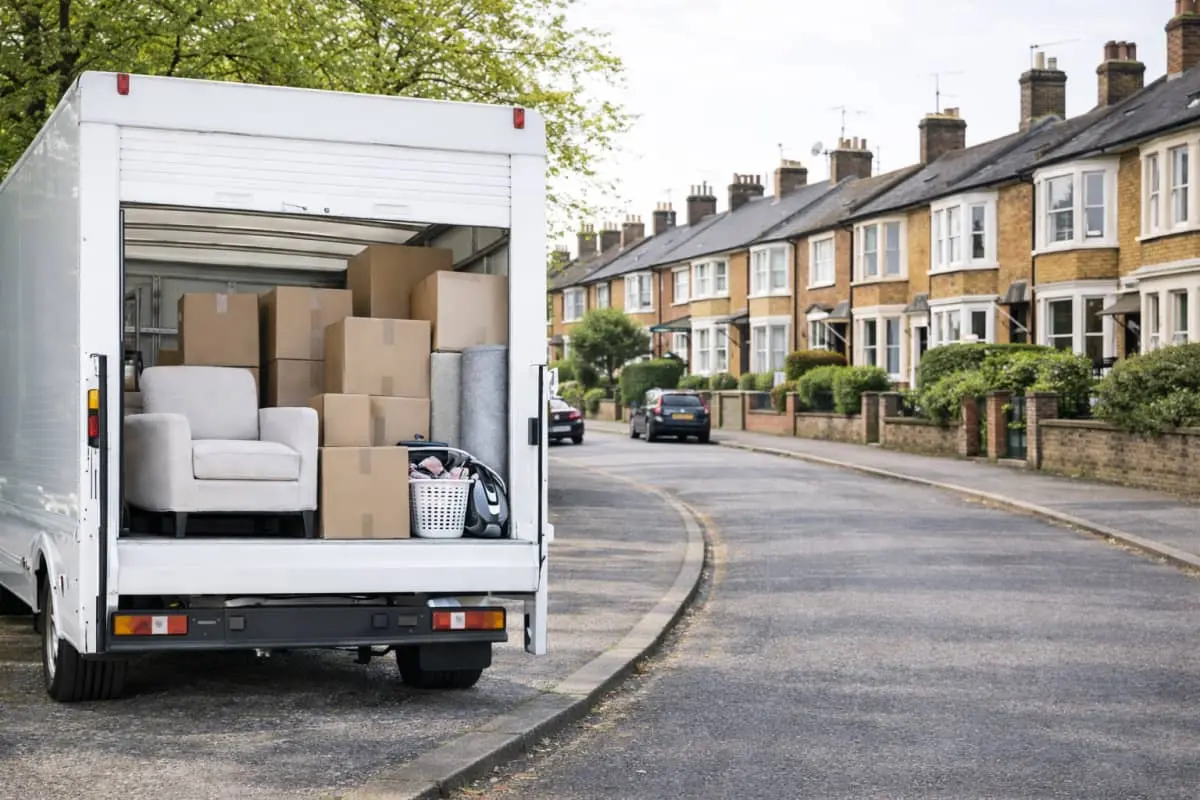
If you're planning a move in East London, these removals support pages cover the local issues most likely to affect access, timing, costs and move-day logistics. For a broader view across the city, see our East London removals area guide.
For a smaller load or furniture collection, see man and van in East London. Describe the load and required help before choosing the service.
In busier parts of East London, particularly around permit-controlled Victorian terraces with narrow front paths in Bow and Mile End and double yellow lines on main roads push loading onto adjoining side streets, short kerb access on terrace streets where unloading often has to be staged from the nearest legal bay and A12 and A13 approach roads slow early and late in the working day can make loading access time-sensitive. It is worth checking permit requirements, stopping restrictions and the timing of your move before the day itself.
Many properties in East London include ex-local authority mid-rise blocks with communal entrances and estate loading bays around Poplar and Canning Town, converted warehouse apartments with lift access and managed entrances in Hackney Wick, controlled entry systems and timed lift use in newer apartment developments and estate layouts with bollards, service roads and non-obvious stair cores that affect carrying distance. Because pricing is usually shaped by booked time, movers needed and van size, internal layout and waiting time inside the building can influence total duration.
East London is affected by permit bays and shared-use bays restrict daytime loading on residential side streets, estate parking courts and private developments often require advance vehicle registration, riverside developments may have designated loading windows rather than open kerbside stopping and Blackwall and dockside approach routes can queue heavily at peak periods. If your route depends on central corridors or regulated zones, it is worth factoring compliance into route planning and timing.
Explore practical local removals guides related to East London, including moving costs, parking permits, and common property access issues.
Need help preparing your belongings? Select optional services in your quote, subject to eligible provider availability for your journey and date. Loading help alone does not include these extras.
Book packing at your primary pickup on moving day. Tell us what needs packing and have suitable boxes, tape and protective materials ready unless otherwise agreed in writing. Prepare anything outside the booked scope yourself.
Book dismantling at the primary pickup and assembly separately at the primary drop-off. Describe each item, supply available instructions and flag specialist tools in advance. Your driver brings standard tools.
Each extra is separate elapsed team time in 30-minute blocks at your booking rate. Unpacking, separate-day packing and services at extra stops are not included.
Check your move price and optional services → · How packing and furniture services are priced
See the price for your move and review the selected service before you book.