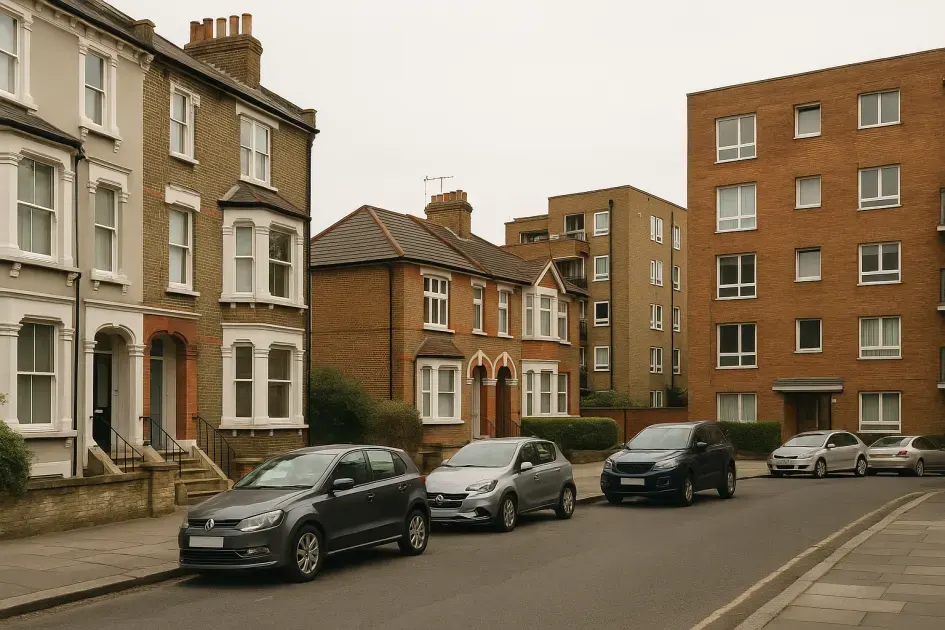
Property challenges for removals in South West London

Physical realities of South West London properties

South West London is a patchwork of Victorian terraces, Victorian and Edwardian mansion blocks, interwar semis, and recent riverside or town-centre schemes. Those differences are not cosmetic: they change how a removal is executed on the ground. The paragraphs below explain how building type, street layout and local controls create measurable friction on move day.

Use South West London removals service first for the core service page. If you want wider parent-area context around access and building layout, see access and property guide for London.

Terraced housing: narrow frontages, deep rooms, and basement steps

Terraced streets — common in Clapham, Fulham and parts of Battersea — typically have narrow doorways, shallow pavements and houses packed closely together. Many terraces also include light wells and basement flats with steep steps. For a removals team this means:

  • Longer handling times for bulky items because doorways and stair landings are tight; wardrobes, beds and white goods may need partial dismantling.
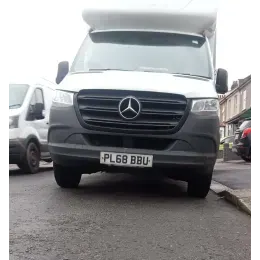
  • Vehicle placement is crucial: parked cars on both sides of a narrow terrace can prevent the truck from stopping outside the property, forcing longer carries from a permitted bay or main road.
  • Basement and front parlour layouts can require careful protective routing to avoid damage to cornices, banisters and narrow stair treads.

Flats and apartments: stairs, lifts and building rules

Flats in SW London range from converted Victorian blocks without lifts to modern gated complexes with concierges. Each presents distinct challenges:

In practice, this usually connects with To understand how building layout affects the wider move plan, pair this page with moving guide for South West London and hidden moving costs in South West London..

  • Converted flats above shops and some mansion blocks often lack lifts and have narrow, winding staircases—every carry is slower and heavier items may be impossible to move without specialist equipment.
  • Modern developments frequently require pre-booked lift slots, signed permission from management companies, and strict delivery windows. The service entrance can be around the back, adding carry distance and coordination time.
  • Apartment communal areas—hallways, lifts and fire doors—usually mandate floor and corner protection; installing and removing that protection adds to on-site time.

Narrow roads, parking controls and turning limitations

Many residential streets in South West London have restricted parking, resident-only bays, and single-lane stretches. Practical implications include:

  • Controlled Parking Zones (CPZs) are widespread; without a permit or a council loading suspension, a vehicle risks fines or removal. Securing a loading suspension can take several days and is commonly required for larger vans and removal trucks.
  • Narrow streets and cul-de-sacs found in suburban pockets like Wimbledon mean bona fide turning and manoeuvring space is limited; larger removals vehicles may be forced into a nearby main road, increasing carry distances and pedestrian crossings.
  • Busy high streets and weekend markets (for example near Putney or Kingston) create temporary loading bans that make timing essential; move start times often need to be scheduled to avoid peak trading and school-run periods.

Suburban semi-detached and detached homes: driveways vs garden carries

Suburban areas of SW London—South Wimbledon, Raynes Park and parts of Richmond—often feature semi-detached houses with off-street parking or drives. While drives reduce on-street parking friction, they introduce other operational realities:

  • Properties with long rear gardens or narrow side access require extended carries from the vehicle to the door; trolleys cannot always be used across lawns or steps, increasing manual handling time.
  • Driveways and private parking may still be constrained by low gates, hedges or planted borders that limit the ability to position a vehicle close to the property entrance.
  • Suburban streets sometimes end in tight turning circles; large trucks may need to be offloaded onto a smaller vehicle to reach a property, adding handling and time.

New builds versus older properties: conflicting friction points

New developments and older homes in South West London each create different logistical burdens:

  • New-build blocks often demand booked lift slots, concierge supervision, strict delivery times and the use of service yards. Service entrances can be set back from the street, and construction-style access roads or gated entries can slow vehicle approach.
  • Older properties may have awkward internal layouts—narrow corridors, original narrow staircases and delicate fixtures—that increase the need for specialist protective materials and time-consuming manoeuvres.
  • Where a neighbourhood mixes both (for instance a Victorian terrace beside a modern riverside block), removals teams must be ready to switch from a street-loading approach to a managed-delivery approach during the same move.

Operational friction: carry distance, loading time and practical consequences

These local constraints translate directly into measurable effects on move day:

  • Carry distance — If a truck cannot park at the kerb, each item may require a trolley haul of 30–100 metres across pavements, steps or gardens. That increases time and fatigue and often requires more crew.
  • Loading time — Pre-booked lift slots, concierge checks and the installation of floor protection typically add 30–90 minutes to either end of a move for apartment jobs; in some managed estates this can be significantly longer.
  • Restrictions and permits — Applying for a loading suspension or temporary parking bay with the local council should be done well in advance. Failing to schedule permits can lead to fines, delays, or the need to re-route the vehicle on the day, all of which add direct cost and lost time.
  • Risk and mitigation — Tight staircases, delicate cornices and basement steps raise the risk of property damage and personal injury. Protective packing, dismantling and specialist handling add labour and time to minimise those risks.

Practical planning steps for South West London moves

To keep operations predictable in SW London’s mixed streetscape, plan with these location-specific realities in mind:

  • Check whether the property lies in a CPZ or a managed estate and allow time for any required council or management company permissions.
  • Survey stair types and lift availability in advance—Victorian conversions and basement flats often need more manpower and dismantling time than newer apartments.
  • Consider carriage distance from the likely parking point: if a truck can’t get close, expect longer handling time and potentially additional crew or equipment.
  • Account for local peaks — heavy traffic during school runs and market days will affect route planning in areas such as Putney, Kingston and around Wimbledon.

For more on how access and property types shape the logistics of a move across London, see the broader access and property guide for London. For South West London-specific practical steps and neighbourhood notes visit the parent removals page at South West London removals service and the local moving checklist at moving guide for South West London.


Common questions about moving logistics in South West London

Below are practical answers to frequent operational questions about access, parking, lift booking and carry distance that routinely affect removals in South West London.

Most residential streets in South West London (for example in Wandsworth, Clapham and Fulham) are in CPZs. Without a permit or loading suspension the vehicle will be ticketed or towed; organising a temporary suspension from the local council can take several working days and may require payment. Factor permit times into your schedule and expect additional set-up time on the day for traffic management if the truck must park on a main road.

Many SW London flats above shopfronts and Victorian mansion blocks have narrow staircases and tight landings (Clapham Common, Putney High Street area). Each stair carry is slower and needs more manpower and protective equipment; large items may need dismantling. Operations without a lift frequently add hours to a job and increase the number of crew required, which impacts cost and timing.

Yes. New-build apartment blocks and gated developments (riverside refurbishments and newer estates near Battersea/Kingston) commonly enforce strict delivery windows, require lift booking, and often route access via service entrances away from the street. Concierges may insist on damage deposits and protective floor coverings. These rules lengthen loading/unloading time and can require liaison with the development manager beforehand.

Many residential roads in SW London are narrow, with cars parked on both sides and limited turning space (examples in Wimbledon suburbia and streets around Richmond). Large removal vehicles sometimes cannot enter and must park some distance away. That increases carry distance, trolley use across pavements, and the risk of pedestrian obstruction — all of which extend loading time and require extra crew and protective planning.

Suburban semi-detached properties often have drives or rear access which helps, but they can also have longer gardens and narrow side passages that force long carries. Dense terraces near station corridors offer shorter carry distances from the street but present problems with on-street parking, narrow frontages and internal staircases. Each layout creates different operational frictions that affect time and cost.

Yes. Lofts, garages and secondary storage areas spread the inventory across more space, which lengthens the loading phase even when the property looks manageable from the front door.