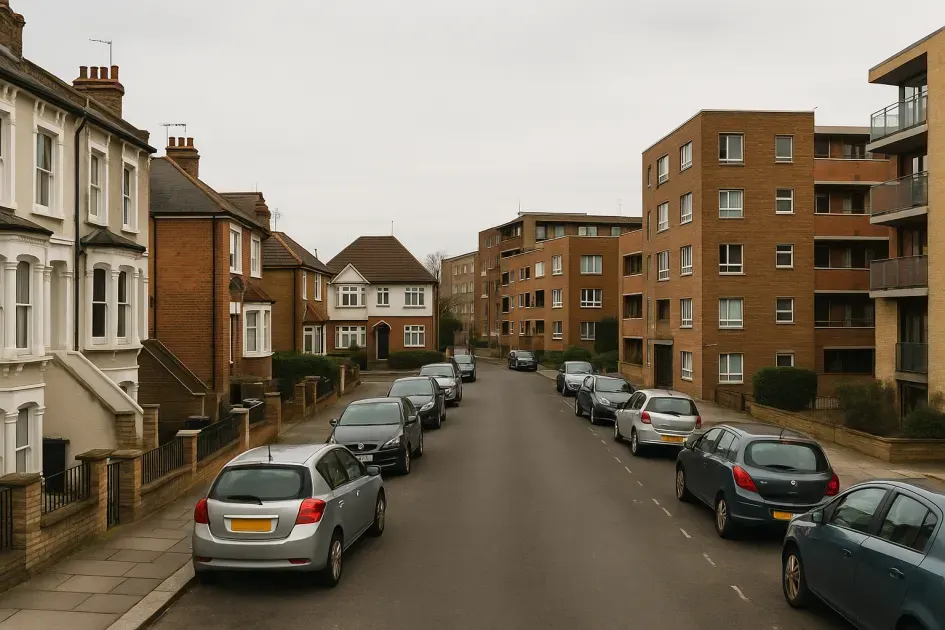
South West London covers a mix of Victorian terraces and conversions, interwar semis, riverside new builds and garden flats. That variety creates predictable operational challenges: narrow frontages and mews in Clapham and Battersea, long garden paths and basement drops in Putney and Fulham, and managed access in newer developments in Wimbledon and Richmond. Planning around those realities determines how long a move takes, whether extra crew or specialist equipment is needed, and which local permissions you must secure.
Use removal service in South West London first for the core service page when you want the clearest next step from general guidance to booking.
Identify property type: terraced house, converted flat (often above shops), semi-detached, or new-build with concierge. Each has distinct constraints:
For a broader regional view, see London area guide.
South West London boroughs commonly run Controlled Parking Zones (CPZ). If kerbside parking is essential for loading, order a temporary parking suspension or loading bay at least 10–14 working days before the move—the lead time and fee structure vary between Wandsworth, Richmond, Lambeth and Merton. For blocks with concierge or estate agents, request written confirmation of your permitted move window, lift booking and any insurance requirements.
In practice, this usually connects with This overview works best when read alongside moving costs in South West London and property access challenges in South West London..
Typical timelines for SW London moves:
Early starts reduce traffic and congestion on residential streets, but some estates only permit moves during business hours. Factor in additional time for set-up when loading bays need to be signed or cones placed, and remember that extra time for pedestrian-heavy areas around Clapham Common or Wimbledon Centre can add 30–60 minutes to loading/unloading.
Measure sofas, wardrobes and appliances against doorways, stair turns and lift car dimensions. Converted Victorian properties often have narrow stair landings where a standard 3-seater sofa will not rotate—plan to disassemble or use specialist furniture skates. Label boxes by floor and room to minimise repeated trips: in buildings with long carry distances, grouping first-day essentials together reduces shuttle time.
Expect to disassemble beds, wardrobes and dining sets in many SW properties. For basement or garden flats, heavy items may need to be carried down staircases with limited headroom—factor extra labour and time. New-builds sometimes ban external lifts; if you planned to use a hoist for a piano or large sofa, double-check building rules early.
On the day, have proof of any parking suspension or building booking available. If a loading bay has been arranged, place cones and keep paperwork visible—parking enforcement officers in SW boroughs patrol actively. If you rely on street parking, expect at least one shuttle from van to property when double-yellow lines or narrow roads prevent direct access.
Carry distance is a major driver of move time in South West London. Each additional 10–20 metres between vehicle and front door typically adds multiple trips and can increase labour costs. For properties with long garden paths or rear access via alleys, plan for an extra 1–2 hours for the move and budget for additional crew time. Where lifts exist but have weight limits, count the number of trips required and allow loading dock time for bulky pieces.
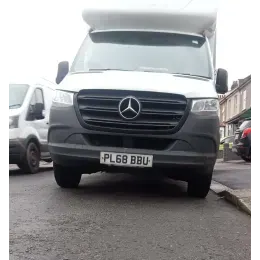
Narrow residential roads and conservation areas (common around Wimbledon Village and parts of Richmond) can prevent large removal vehicles from getting close. That forces use of smaller vans and shuttle runs, increasing load/unload cycles and overall time. Verify whether access roads have low bridges, bollards or width restrictions—these constraints change vehicle choice and therefore cost.
Practical consequences to plan for in South West London:
Victorian conversions and terraces are common—prioritise measuring stairwell widths, securing CPZ suspensions and allowing for rear alley or garden access. Clapham Common routes are pedestrian-heavy on weekends; an early weekday slot reduces footfall.
New builds and managed estates are frequent. Get formal move approvals from building management, book lift slots and confirm any concierge handover procedures. In Richmond, riverside streets and conservation area restrictions may limit vehicle size and hours.
Interwar semis and split-level flats often have narrow internal staircases but better street parking outside CPZ hours. If moving at the end of the month, expect higher demand and stricter enforcement of parking controls.
Basement and garden flats are common: watch for low ceilings and outside steps. Riverside routes and one-way streets in Putney can lengthen driving time—factor this into vehicle scheduling.
For a broader view of moving across London, see the area guide at London area guide. For detailed local specifics and operational constraints across South West London neighbourhoods, visit the main removals page at removal service in South West London and the property challenges page at property access challenges in South West London.
Below are short, practical answers to common operational questions for moves across South West London—from terraced homes to new-build blocks with concierge.
Book 4–8 weeks ahead for typical terraced houses and flats; increase to 8–12 weeks if you live in a popular area (Wimbledon, Richmond, Clapham) or need loading bay suspensions or building management approvals.
Often yes. Many SW London boroughs (Wandsworth, Richmond, Lambeth, Merton) regulate kerbside parking. Apply for a temporary suspension at least 10–14 working days before the move—late applications will add cost or force longer carry distances.
Narrow, steep or metal spiral staircases increase labour time and risk. Expect extra crew time (often billed in 30–60 minute blocks) and possible furniture disassembly. Measure large items and check stair widths before booking to avoid delays.
New-builds commonly require move-in bookings with concierge, restrict hours, and limit lift weight. Get written access windows and lift booking details early—missed windows can mean waiting days for the next available slot.
Yes: narrow streets forcing smaller vans and shuttle runs, long carry distances from legal parking to property, paid parking suspensions, and extra labour for stairs or repeated lift trips all increase charges and move duration.
Return to the main service page once the logistics are clear and you are ready to progress the actual booking path. Planning pages should support that step, not compete with it.