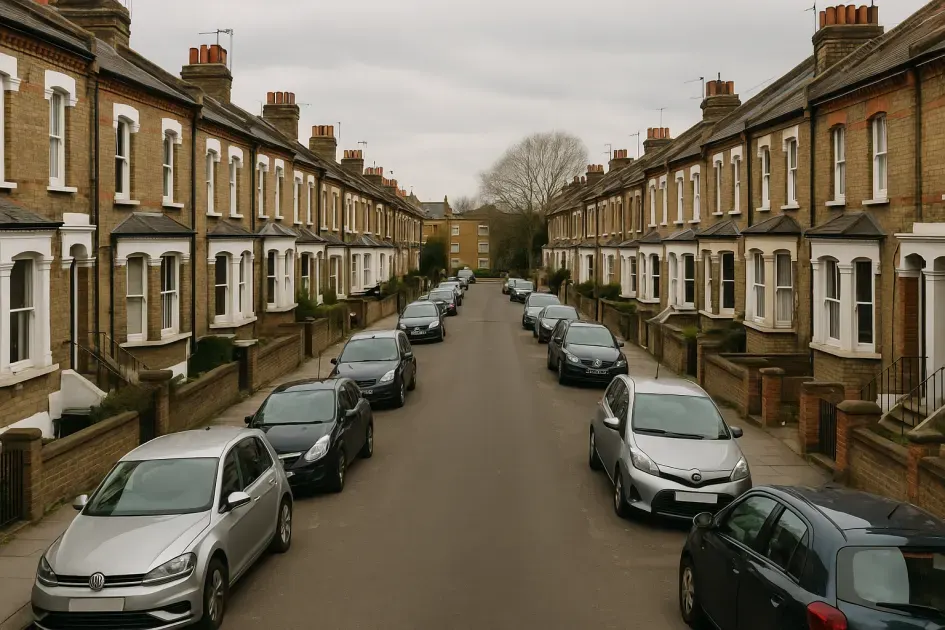
North London covers a patchwork of housing and street types — Victorian terraces and mansion blocks in Islington and Stoke Newington, steep ridges and narrow lanes in Highgate and Muswell Hill, mid‑20th century semi‑detached properties in outer wards, and pockets of new build developments with controlled service access. These local specifics shape how you plan a move: where the removal vehicle can park, how many flights of stairs items must be carried, and whether building management will allow timed loading. Read the sections below to align planning, timing and budget with today’s practical constraints in North London.
Typical terraced properties in inner North London have narrow front doors and staircases, shallow landings and often limited kerb space. These cause longer carry times and require dismantling bulky items at the property. Operational implications: add crews or time slots for stair carries, expect narrower manoeuvre space that slows loading/unloading, and set aside budget for dismantle/rebuild work. If the terrace sits within a conservation area, check whether scaffold or street occupation restrictions apply for larger items.
For a broader regional view, see London area guide.
Use removal service in North London first for the core service page when you want the clearest next step from general guidance to booking.
Many North London flats sit above shops or in mansion blocks with communal staircases. The realities here are: limited or no lift access, tight corridor turns, and management rules about move times. Measure lift dimensions and communal door widths early. If lifts are small or absent, expect a stair‑carry surcharge and plan for longer loading windows — moving a two‑bed flat without a lift commonly takes 25–50% longer than an equivalent ground‑floor move.
In practice, this usually connects with This overview works best when read alongside moving costs in North London and property access challenges in North London..
Semi‑detached houses in outer North London often have driveways and gardens that make vehicle access simpler. However, cul‑de‑sacs and estate layouts can still force longer carry distances from street to property. If you have off‑street parking, confirm vehicle turning space; if not, estimate how many metres the crew will wheel trolleys from the closest stopping point, as long carries add time and cost.
Newer blocks frequently provide service lifts and loading bays but couple those with strict booking windows, intercom procedures and limited delivery slots. Buildings often require paperwork or security chaperones. Check service lift size against your largest items — built‑in wardrobes and long sofas can be problematic despite a lift being present.
Use the timeline below as a location‑aware checklist rather than generic advice. Local constraints (CPZs, building managers, market days) influence each deadline.
Reserve removal dates for popular neighbourhoods (Islington, Camden) during peak months. Start measuring key items and note stair flights and corridors; these measurements will affect crew size and equipment needs. If you live in a controlled parking zone, research your borough’s process for bay suspensions.
Apply to your borough for temporary loading restrictions or bay suspensions and contact the receiving building’s management to reserve lift slots. Arrange any dismantling specialists for awkward fixed items, and pre‑book a secure storage option if required — inner‑North delivery slots can be delayed by on‑street congestion.
Finalise a room‑by‑room inventory, indicate fragile items and confirm any special access arrangements (e.g., buzzer codes, concierge details). If moving from or to a flat above a shop or a busy high street, schedule an early‑morning start to avoid market periods and peak pedestrian flows.
Keep box weights lower if you have multiple flights of narrow stairs — 10–12kg per box is safer than heavier loads. Label boxes not just by room but by the logistics required ("needs stair carry", "fits lift only"), so crews can group items for efficient runs between property and vehicle.
Measure sofas, beds and large furniture against door and stair dimensions found commonly in Victorian properties. If items need partial dismantling to clear cornices or narrow landings, factor an additional 30–90 minutes per large item for safe dismantle and rebuild on site.
In mansion blocks and new developments, you may be required to lay down protective floor coverings in corridors and lifts — confirm who is responsible and book materials in advance. If moving antiques or pianos, specify this early so appropriate kit and more experienced handlers can be scheduled.
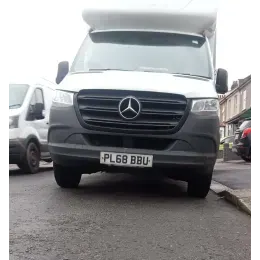
Successful moves hinge on where the vehicle can legally stop. Inner neighbourhoods like Camden and Highbury are busiest; aim to book a bay suspension for the immediately adjacent kerb. If the vehicle must park on a main road, expect loading to take longer because of pedestrian flow and one‑way traffic controls — add contingency time for manoeuvring and reversing into narrow streets.
Plan for slower operations when studio flats on trading streets or three‑storey terraces are involved. Every extra 10–20 metres of carry distance or an extra flight of stairs typically increases total move time and may require more crew or equipment (stair climbers, extra trolleys). Make this explicit in planning conversations so time blocks aren’t underestimated.
Street markets, school runs and evening rush hour create predictable local peaks. For example, moving near primary schools in Crouch End demands avoiding 08:15–09:15 and 15:00–16:30. Markets in Camden and high‑footfall shopping areas mean early starts or midweek slots are often faster and safer.
Short terraces and CPZs dominate. Prioritise booking a bay suspension and confirm any morning loading restrictions on the borough’s website. Narrow pavements and heavy pedestrian flows mean early starts reduce overall loading time.
Expect busy high streets and loading bay competition. If you’re moving off a commercial parade, plan your move outside market times and seek a loading bay permit for direct kerb access; otherwise anticipate longer carries across pedestrianised areas.
These areas have steep roads and sharp gradients that lengthen loading/unloading times and can restrict vehicle access. Check if the vehicle can reverse up or down the road and plan for manual handling on slopes — this impacts both safety and time estimates.
Victorian terraces with tight staircases are common. Allow extra time for narrow landings and factor in potential need for multiple shuttle runs between van and front door.
Service lifts and deliveries are controlled. Confirm lift dimensions and service‑yard booking windows early, because a small service lift or a locked loading bay can convert a straightforward job into a phased, multi‑day operation.
For general neighbourhood considerations and a broader context of London area differences, see the London area guide at /removals/london/area-guide. For detailed building and access issues specific to this neighbourhood, consult /removals/london/north-london/property-challenges and the parent page /removals/london/north-london for local contact points and policies.
Following a North London‑specific plan reduces surprises on move day: permit delays, stair‑carry bottlenecks and late vehicle repositioning are common sources of extra time and cost, but they are avoidable with measurements, early bookings and clear communication with building management.
Short answers to common questions about removals in North London — focusing on the real operational constraints you’ll meet on move day.
Book 6–8 weeks ahead for late spring/summer weekends in inner North London (Islington, Camden, Highgate). In quieter suburbs book 3–4 weeks. Factor in extra time if you need a parking bay suspension from the local borough or building management approval — those can take 1–2+ weeks.
Most North London boroughs use Controlled Parking Zones (CPZs). If there’s no immediate kerb space, request a temporary loading bay or pay-and-display suspension from the council, and notify communal freeholders or estate managers for flats — aim to arrange these 7–14 days before the move to avoid fines and parking delays.
Narrow terraces and mansion-block staircases increase carry distance and manual handling time. Expect each narrow flight of stairs to add 15–30 minutes and potential stair-carry surcharges. Long carries (over 20–30m) can require extra crew or trolleys and increase cost; always record measured carry distances when requesting estimates.
Not always. Many new-builds have service lifts and dedicated loading bays but also strict service hours, booking windows and alarms. Confirm lift dimensions and booking rules early; a small service lift might still reject sofas or large wardrobes and require phased moves.
Yes — early weekday slots reduce pedestrian congestion on high streets (Camden, Highbury), lower the chance of CPZ clashes and ease lift booking with building managers. However, some councils restrict loading on market days or during school pick‑up times, so check local patterns.
Return to the main service page once the logistics are clear and you are ready to progress the actual booking path. Planning pages should support that step, not compete with it.