Property challenges for removals in West London

How West London’s buildings and streets shape removals

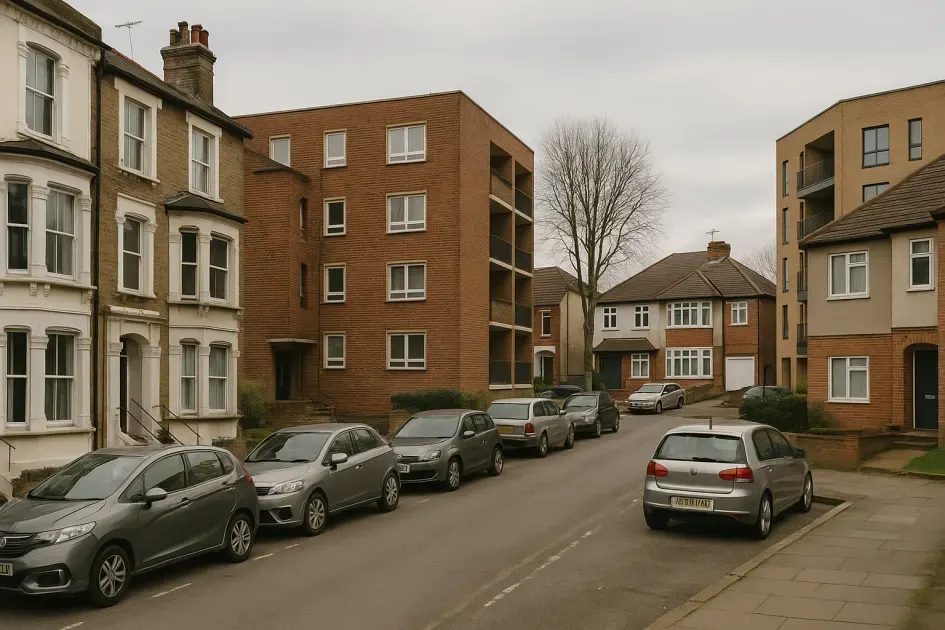
West London is a patchwork of densely packed urban streets, leafy suburban avenues and purpose-built estates. Those physical differences create very specific operational challenges for full-house, flat or office removals — not abstract advice but practical constraints movers must plan for on site.

removals in West London is the main booking page for checking availability, pricing and move details in one place.

For a parent-area overview, use access and property guide for London.

Access issues usually sit alongside other planning points, so this page with moving guide for West London and hidden moving costs in West London.

Terraced housing: historic fabric, narrow layouts

Large swathes of West London are lined with Victorian and Edwardian terraces (Notting Hill, parts of Chiswick and Fulham). These houses often have narrow front doors, tight hallways and winding staircases. The consequences are measurable: larger sofas, wardrobes or appliances frequently need partial dismantling; fragile plaster cornices and bay windows require protective padding and slower handling; and crews cannot park a vehicle at the doorstep on many streets. All of these extend loading time per item and push up labour costs because items must be manoeuvred in stages rather than moved in one continuous carry.

Flats and apartment blocks: lift size, stair carries and communal rules

West London’s flats vary from basement conversions and walk-ups to post-war blocks and new build estates. Older converted flats commonly lack service lifts, forcing stair carries that increase risk and time — a four- or five-flight stair carry with heavy furniture multiplies handling minutes and requires more crew. Newer developments often have lifts, but these have strict size/weight limits, booking windows and concierge protocols. Estate management may insist on move-in slots, deposit holds against damage, and limits on when the service lift can be used. These administrative constraints translate into scheduled time blocks for the removal and potential fees if the building requires a damage deposit or lift reservation.

Narrow roads, mews and parking constraints

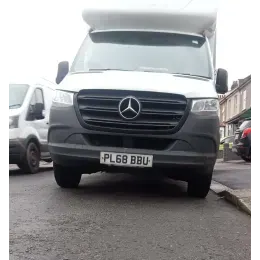
Many West London streets — particularly conservation areas and mews — are too narrow for large removal vehicles to park directly outside. Where residential streets are single-track or lined with cars, vehicles must load on a nearby main road. That increases carry distance, which directly lengthens each transfer trip and therefore the job’s total duration. In addition, Controlled Parking Zones (CPZs), single yellow line restrictions and TfL red routes on arterial roads create specific legal limits on where vehicles may stop. Securing a temporary suspension for a loading bay or obtaining a council loading permit requires advance applications and sometimes a fee; failing to plan for this can cause delays on the day as crews search for legally cleared parking.

Suburban versus dense urban layouts: different frictions

Suburban pockets of West London — tree-lined roads in outer Ealing or Richmond border areas — usually allow easier kerbside access and shorter carry distances, but they come with their own challenges: long drives, gardens, or detached garages that mean movers must plan equipment differently. Dense zones closer to central London have restricted parking, narrow pavements and frequent double-parking bans. These differences matter operationally: suburban moves often use longer on-site time for loading from multiple access points, whereas dense urban moves are dominated by planning parking permits and minimising carry distance from a single permitted vehicle spot.

New build developments versus older properties

New build estates in West London bring administrative friction: concierge move policies, lift booking windows, loading-bay schedules and service-charge conditions that can all restrict when and how large items are transported. Older buildings remove the administrative layer but typically increase manual handling time because of narrow staircases, small internal door frames and lower ceiling heights in basements. Practically, new builds often require precise scheduling and paperwork, while older properties demand more crew time and manual effort — both raise cost but for different reasons.

Real-world implications for time, cost and planning

These property and street-level realities have predictable operational effects:

  • Longer crew hours: stair carries and extended carry distances can add 25–100% more handling time per item compared with an unrestricted kerbside loading.
  • Additional equipment and labour: narrow staircases and bay windows may require specialist grips, dismantling tools or extra crew to maintain safe manual handling standards.
  • Permit and suspension fees: CPZs and loading bay suspensions must often be booked in advance with the local borough (which in West London vary by area) and can add to fixed costs for the move.
  • Scheduling constraints: service lift bookings, concierge move slots and estate rules create narrow time windows; missing these slots typically causes rescheduling or overtime charges.
  • Vehicle access choices: inability to park close forces use of smaller vehicles or longer carry teams; either choice affects time and cost differently and should be specified during planning.

How to reflect these challenges in planning

Make decisions based on the specific West London street and building type: confirm whether the property is a terraced house, basement conversion, purpose-built flat or a new build estate; check if the block requires advance lift booking; identify local parking controls and whether the road is a red route. For more detail on borough-level access and common regulations across London, see the broader guidance at access and property guide for London. For local guidance and what to expect in West London specifically, consult the overview at removals in West London and the practical checklist on timing at moving guide for West London.

Addressing the physical realities of West London properties up front — parking, stair access, lift limits and building protocols — reduces on-the-day surprises, limits overtime and helps make realistic time and cost estimates for any full house, flat or office relocation in the area.


Frequently asked questions about West London property challenges

Key practical questions residents and movers face in West London, focused on site-specific constraints, likely delays and how those affect planning and cost.

Victorian and Edwardian terraces common in areas like Notting Hill, Chiswick and parts of Ealing usually have narrow entrance halls and staircases, fragile cornices and built-in bay windows. These features increase carry time because large items must be manoeuvred carefully or dismantled, and crews often need to move goods in multiple stages. Expect longer loading windows and extra staff time compared with properties with wider access.

Flats range from basement conversions with steep stairs to mid-rise blocks with small passenger lifts. Many older conversions lack service lifts and have communal corridors not designed for furniture. New build blocks can impose service lift booking windows and weight/size limits. These factors increase carry distance, require staggered elevator bookings or use of stair carries and add to total labour hours.

Yes. Controlled Parking Zones (CPZs), single yellow lines, and TfL red routes on major West London arteries mean vehicles often cannot park directly outside. Organising a temporary loading bay suspension or meter exemptions through the borough council (or using pay-and-display where available) adds direct costs and usually requires advance notice, which can also affect scheduling and the length of the booking.

Narrow residential streets and mews are common in parts of West London (for example older streets near central pockets and some conservation areas). Large removal lorries may need to park further away on main roads, increasing carry distance and average item carry time. That longer carry time multiplies labour costs and raises the risk of delays at each loading run.

New build estates often have concierge services, internal deliveries protocols, scheduled move-in slots and service lifts with strict size/weight limits — all of which create operational friction if not booked in advance. Older properties typically lack lift access and have awkward staircases. Each scenario affects planning differently: new builds emphasise administrative coordination, older buildings increase physical handling time.

Plan for longer on-site time than the straight drive estimate: add contingency for parking setup, additional carry distance, stair carries and potential lift pre-booking. Real-world implications include higher labour hours, possible parking suspension fees from the local borough, and the need for additional crew or specialist equipment for very large items. Estimate an uplift of 15–40% in time and associated costs in dense central pockets versus suburban spots.