
Leeds Removals Area Guide
How removals conditions vary across Leeds
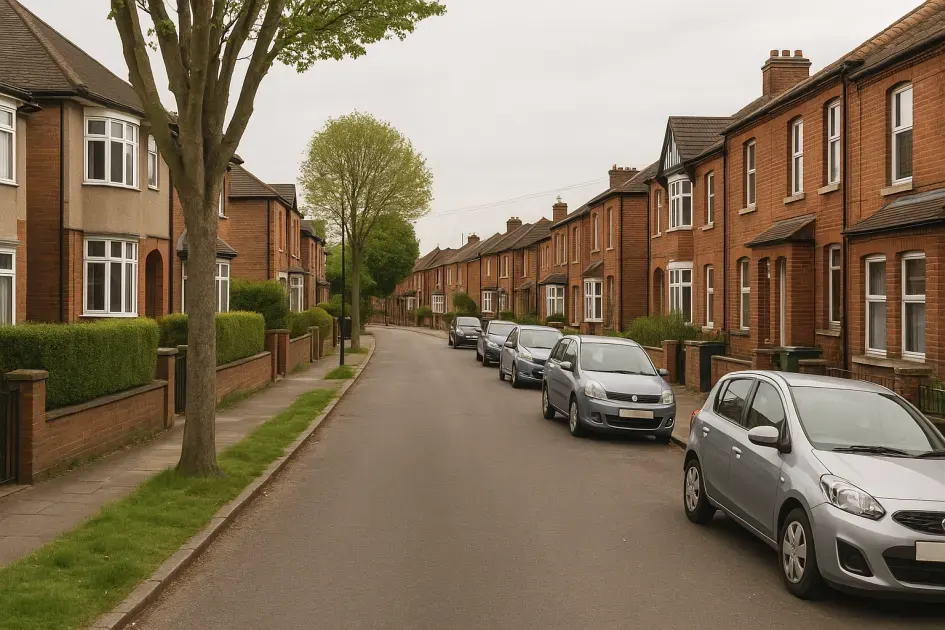
Neighbourhood layout drives the plan: parking controls, carry distances, lift availability, and timed loading windows shift from dense streets to wider suburban roads. Planning is about sequencing each constraint so vehicles, crew, and keys line up without idle time.
Neighbourhood access patterns
- City and town centres: timed loading bays, bus/taxi corridors, and short loading windows.
- Residential estates and cul-de-sacs: tighter turning circles; pre-marking a bay reduces carry distance.
- Apartment clusters: concierge rules, lift bookings, and height limits for undercroft access.
- Perimeter and semi-rural edges: longer travel legs; confirm approach routes and turning space.
Property and loading differences
Property form changes the load plan. Terraces can add longer carries. Apartments often require lift slots and fob access. Detached homes may allow larger vehicles but still need floor protection and clear paths. Offices add service lifts, goods-in windows, and building management protocols.
How to plan for different move types
- Houses: confirm parking suspension or driveway clearance; identify bulky items needing partial dismantle; stage boxes near exit routes.
- Apartments: arrange lift bookings and loading-bay access; protect lifts and corridors; stage by floor to reduce lift cycles. See Flat removals.
- Family moves: align with school runs to avoid peak local traffic; pack an essentials kit; consider an early key handover window.
- Office moves: confirm service-lift dimensions, security sign-in, and equipment isolation. See Office removals.
City-wide baseline: where time is lost
- Searching for parking or re-parking mid-load.
- Long carries from vehicle to door or via multiple flights.
- Waiting for lifts, loading-bay windows, or key release.
- Under-estimated dismantling/reassembly tasks.
- Peak traffic near main corridors and school-run windows.
Leeds does not currently have an active clean-air or charge zone affecting standard removals planning, but loading restrictions, timed access, permits, apartment rules, and city-centre traffic controls can still affect routing and timing.
Eight local variables that change removals planning
1) Parking rules and bay availability
Check permits, loading bays, and suspension lead times. A reserved space close to the door shortens carries and protects the schedule.
2) Carry distance from vehicle to entrance
Map the path, including steps and surface changes. Long walks or multiple gates add handling cycles.
3) Stairs, lifts, and lift cycles
Confirm lift size, padding needs, and booking windows. For stairs, plan extra time and team rotation for large items.
4) Property protection requirements
Floor runners, banister wraps, door-jamb guards, and mattress covers reduce risks in tight corridors and shared spaces.
5) Vehicle access and turning space
Pre-check turning circles and height limits. If approach is constrained, stage a shuttle plan using smaller vehicles.
6) Keys, handover, and building management
Align vehicle arrival with key release, concierge hours, and any induction or sign-in steps to prevent idle time.
7) Item complexity and disassembly
Wardrobes, sofas, and modular beds may need partial dismantling. Stage tools and hardware bags to speed reassembly.
8) Day-of-week and local traffic patterns
Fridays, end-of-month, and school holidays raise demand and congestion. Adjust loading start times to avoid known pinch points.
Practical planning checklist
- Secure a legal, close parking position or bay reservation for both addresses.
- Confirm lift or loading-bay bookings and access credentials.
- Pre-measure tight points (stairs, doors) and plan dismantling.
- Stage labelled boxes by room; separate an essentials kit.
- Hold agent/solicitor and building contacts for fast updates.
Scenario examples
Example 1: Apartment-to-apartment with lift bookings: start earlier, pad lifts, run smaller shuttle loads to keep lift cycles efficient, and protect a bay at each end.
Example 2: Terrace to detached: reserve a space near the terrace entrance, pre-dismantle large wardrobes, and use floor protection for narrow halls.
Example 3: Office suite move: confirm goods-in times, preload IT cages, and coordinate service-lift priority with building management.
Apply neighbourhood context
Use these focused resources to align your plan with local access and property form nuances across the city’s compass areas.