
South Leeds removals — practical moving guide

Practical step-by-step moving plan for South Leeds

Pre-move preparation: survey the route and access specific to South Leeds

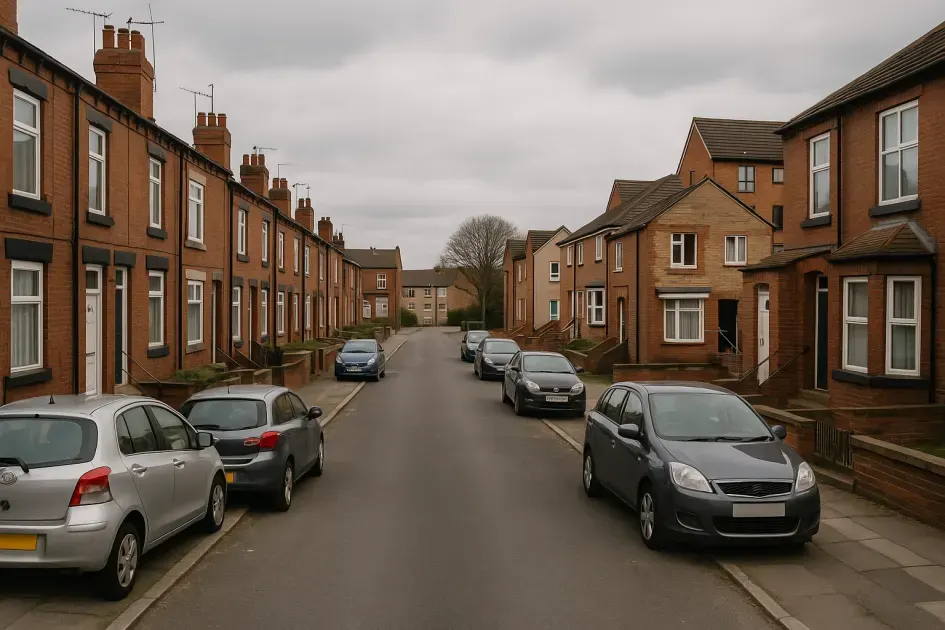
South Leeds is a mix of back-to-back terraces, Victorian conversions, suburban semis and pockets of new-builds near the river and retail parks. Before you set a date, walk the delivery route and note these local realities: narrow terraced streets in Beeston and Holbeck that often have cars parked both sides; stepped alleyways behind terraces; service yards and loading bays in Hunslet industrial areas; height barriers and tight bends on new housing estates around Middleton. Photograph kerbside space, measure the distance from the nearest legal parking to the front or rear door, and record stairs and lift dimensions in blocks of flats. These facts determine crew size, vehicle length and whether you need a temporary parking suspension from Leeds City Council.

Booking timeline: how long each step really takes in South Leeds

- 6+ weeks: Complex moves requiring parking suspensions, multiple flights, or access to shared service yards (common in Holbeck and Beeston) should be planned this far ahead. Councils can take several working days to approve bay suspensions and some blocks require formal notice to the managing agent.

For a broader regional view, see Leeds area guide.

When you want the main move page rather than general guidance alone, start with South Leeds removals service.

- 2–4 weeks: New-build apartment moves where you must book a service lift or communal loading bay with the site management — common near the River Aire and recent Hunslet developments. Allow time for management to confirm a slot.

You will often need to consider To turn the general guide into a tighter move plan, connect it with moving costs in South Leeds and property access challenges in South Leeds. at the same time.

- 1–2 weeks: Suburban semi-detached houses in Middleton with driveways or easy kerbside access — still confirm local restrictions such as schools or market days that can affect van access.

Packing considerations tailored to South Leeds property types

Terraced houses: many South Leeds terraces have narrow staircases and small doorways. Disassemble large furniture where possible and pack fragile items into smaller boxes that are easier to carry down tight flights. Mark which items must travel last/first to reduce double-handling on 2–3 flight carries.

Flats in converted Victorian buildings: expect long corridors and narrow service lifts (or none at all). Label boxes with room destinations and keep heavier boxes to a manageable 15–20kg if they will be carried up stairs: this reduces stops and safety risks on cramped landings.

Semi-detached houses and new builds: new estates sometimes have restricted turning circles and security barriers. Check gate widths, vehicle height limits and whether the builders’ management requires pre-booking of the communal loading bay or service lift — this avoids delays on the day.

Offices and commercial spaces in Hunslet: server cabinets and office desks can be very heavy and need dismantling on-site. Plan for pallet truck usage in loading bays and reserve time for disconnecting and reconnecting IT equipment; industrial estates often have narrow internal doors to factor into dismantling plans.

Move-day logistics: realistic timing and operational friction

Carry distances and stairs are the biggest time drivers in South Leeds. A long external carry (20–30m from legal parking to door) or multiple flights often adds 3–6 minutes per bulky item; do not assume door-to-van takes zero extra time. Narrow streets in Beeston and Holbeck can force the vehicle to park on a nearby side street, increasing total carry length and crew hours.

Parking and loading restrictions: single yellow lines, resident permit zones and market-day restrictions (near Dewsbury Road) can limit legal loading windows. If you cannot arrange a suspension, plan either an early-morning slot or multiple short loading sessions to avoid contraventions and enforcement delays.

Block access and lifts: if the service lift is booked by other residents or has size limits, expect full stair carries. Where lifts are available, have measured the internal floor area beforehand — standard pallet/dolly equipment may not fit. Service lifts in newer blocks may demand a refundable deposit or proof of insurance from the removals crew; arrange this in advance to avoid Hold-ups.

Real-world timing example: a three-bedroom terraced house with a rear alley and two flights of stairs in Beeston will typically take 6–9 hours with a 3–4 person crew when factoring loading, travel on congested A62/A653 approaches and unloading. Similar volume with a short driveway in Middleton usually completes in 4–6 hours.

Area-specific planning tips for South Leeds

- Beeston and Holbeck terraces: plan for tight street parking and rear alley carries; book any necessary parking suspension 10 working days ahead. Photograph the rear alley gate — some are padlocked and you will need the key or permission to use the rear access.

- Hunslet riverside and industrial zones: check for loading bay restrictions and time-limited delivery slots for waterfront developments. Industrial estates may give better van access but limited maneuvering space — confirm vehicle length that can be accommodated.

- Middleton and suburban semis: driveway and on-plot parking reduce carry time but watch for estate access barriers and signage limiting commercial vehicles. Early-morning moves avoid school-run congestion on local A-roads.

- Areas near White Rose/retail parks: weekends can be busiest. If moving close to the White Rose Centre or retail parks, avoid peak shopping hours and check if nearby car parks allow short-term loading for removal vehicles.

Final checks and useful links

Before moving day, confirm the parking arrangement on both pickup and drop-off addresses, re-measure large furniture against doorways and lift openings, and keep contingencies for extra crew hours if stairs or long carries are involved. For an overview of neighbouring neighbourhoods and access patterns across the city see the Leeds area guide at /removals/leeds/area-guide. For specific building issues in South Leeds consult /removals/leeds/south-leeds/property-challenges and for local service details visit /removals/leeds/south-leeds.


Frequently asked questions about moving in South Leeds

Answers to common practical questions about parking, lifts, carry distances and timing when moving to or from South Leeds.

Book as early as possible for summer weekends and end-of-month moves. For terraces and top-floor flats without lifts, allow 4–6 weeks to arrange parking suspensions and ensure crew availability. For new-build blocks with concierge or service-lift bookings, allow 2–4 weeks to agree a slot with the building manager.

In many South Leeds streets (Beeston, Holbeck and parts of Hunslet) parking is controlled or narrow. Apply to Leeds City Council for a temporary parking suspension if you need to reserve a bay outside your property; expect at least 5–10 working days for processing. Without a suspension, loading time can be extended by time spent finding legal parking nearby.

Measure the service lift and read the building's delivery rules. Many South Leeds converted Victorian buildings have narrow service lifts or no lift at all; modern waterfront or new-build blocks may have lifts with strict time windows and load-size limits. If the lift is small or scheduled, budget extra crew hours and plan for stair carries.

Narrow streets and rear alley access increase carry distance and time. Expect an average of 5–10 extra minutes per bulky item for narrow staircases or 10–30m external carries. This adds crew time and may increase the overall cost compared with houses with driveways.

Because each support page isolates a different friction variable. Together they help you plan the move in South Leeds more realistically before returning to the main booking path.

Return to the main service page once the logistics are clear and you are ready to progress the actual booking path. Planning pages should support that step, not compete with it.