
Leeds Removals: Access and Property Guide

Access planning shapes the crew setup, vehicle choice, and loading sequence for Leeds moves. Use the notes below to identify pinch points early and coordinate with building managers and the council where needed. For service details and availability, start with the Leeds removals page.

Access and property constraints in Leeds

Leeds does not currently have an active clean-air or charge zone affecting standard removals planning, but loading restrictions, timed access, permits, apartment rules, and city-centre traffic controls can still affect routing and timing.

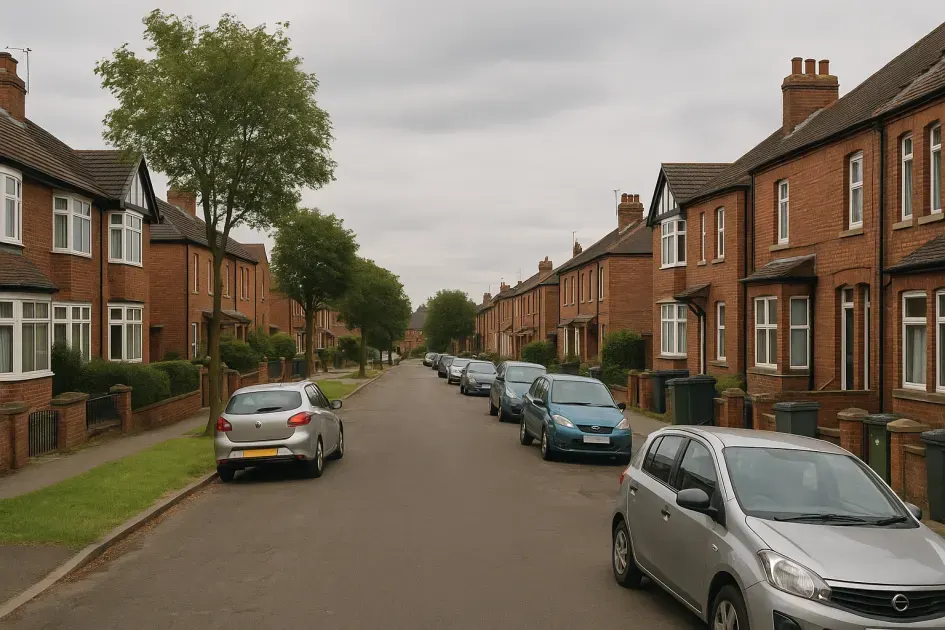
Common friction points include narrow residential streets with tight frontage access, permit-only parking streets, and flats that require lift bookings or concierge approval before loading starts.

Street access and loading realities

Narrow streets and terraces often limit turning circles and door-to-kerb space. Where a large vehicle cannot position near the door, consider a shuttle van to shorten carry distance. City-centre streets may have controlled loading windows; missing the slot can force longer carries from distant bays.

One-way systems and peak traffic can add time. When the closest legal space is across the road, add a banksman to manage safe crossing, and use floor protection to speed movement once inside.

Building and property friction

Flats with concierge rules may require pre-approved move times, insurance details, and lift padding. Always book the lift to avoid sharing with residents and to prevent delays. In walk-up buildings, stair width, turns, and lighting dictate how items are protected and whether partial disassembly is needed.

Terraced homes with tight frontage access can benefit from door removal, bannister protection, and staging at the threshold. Long garden paths or rear access routes increase carry distance; plan extra dollies and crew rotation to maintain pace.

Parking, permits, and managed access

On permit streets, confirm whether visitor permits cover loading or if a bay suspension is required. For managed developments, ask about loading bay reservations, vehicle height limits, and any security desk sign-in. Marking bays with advance notices can deter casual parking in your reserved space.

To align schedule and cost planning with your access setup, see Moving Costs and timing pressures in Moving Timing Guide. For local context and street patterns, the Area Guide is also helpful.

Practical move-day checklist

  • Confirm parking: permits, bay suspension, or loading bay booking, with signage placed 24–48 hours before.
  • Book lifts and notify concierge; request protective pads and exclusive-use windows where possible.
  • Measure doorways, stairs, and tight frontage access; plan disassembly for oversized items.
  • Stage a clear carry route: protect floors, prop doors safely, and light stairwells.
  • Prepare keys, fobs, and entry codes; share contact details for building management.
  • Plan vehicle choice: large truck vs. shuttle van if streets are narrow or bays are distant.
  • Reserve a banksman for busy roads or when crossing from the parked vehicle to the property.
  • Agree a load order for essentials first in case a timed loading window is shorter than expected.

Where to look next

Dig into localised challenges and planning tips for different parts of the city:


Leeds access and property FAQs

Quick answers to common access and building questions that influence move duration, crew setup, and loading plans.

Apply as soon as dates are firm. Some streets need resident permits or bay suspensions processed by the council or building management, which can take several working days.

Medium vans often load faster on tight frontages than larger trucks. If streets are especially narrow, plan for a smaller shuttle vehicle to reduce carry distance.

Many central streets operate timed loading or controlled bays. Confirm allowed hours, vehicle size limits, and whether a loading bay booking is required.

Unbooked lifts or concierge restrictions can force stair carries or waiting time. Reserve the lift, request padding, and confirm any paperwork or induction requirements.

Permit-only parking, blocked bays, and rear access routes extend walking time. Reserve the closest legal space, use clear signage, and keep corridors unblocked for direct paths.