
Leeds Moving Costs: what drives pricing and time
What affects cost planning for moves in Leeds
Crew size and vehicle sizing: More volume or tighter timelines may require a larger truck or a second vehicle, plus extra crew to keep loading and unloading efficient.
Stairs, lifts, and carry distance: Multiple flights or long paths from door to vehicle slow the move. Lift bookings and reliability also matter; a busy or small lift can create queues.
Packing and materials: Full-service or fragile-only packing adds labour and materials. Self-packed moves work most smoothly when boxes are well-labelled, securely taped, and under manageable weight.
Disassembly/reassembly: Beds, wardrobes, modular sofas, and large appliances often need deconstruction. Clear instructions and ready tools reduce downtime.
Awkward items: Pianos, large aquariums, safes, and gym equipment need extra protection, manpower, or specialist handling.
Parking, permits, and timing: Permit streets, loading windows, and school-run traffic can change routing and duration. End-of-month and Friday moves tend to be busier.
For service details and scheduling in the city, visit the Leeds removals page.
Typical move price patterns in Leeds
These patterns show how crews and time blocks are commonly planned for different move profiles. Exact scheduling depends on access, volume, and service scope.
Cost examples by move type
Scenario 1
1-bed flat, good lift, reserved bay outside. A 2-person crew with a 3.5t van can load efficiently. Minimal disassembly keeps it to a compact time block.
Scenario 2
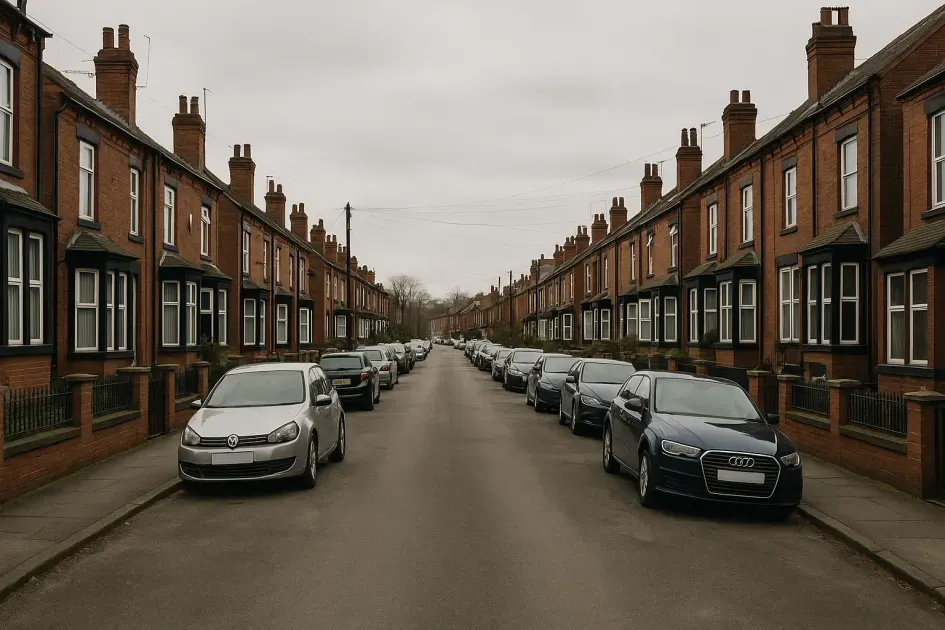
3-bed terrace with permit parking and two flights of stairs. A 3-person crew with a 7.5t truck benefits from a visitor permit or bay suspension. Boxed, labelled items reduce hallway dwell time.
Scenario 3
4-bed detached with long garden carry, wardrobes to dismantle, and a piano. A 4–5 person crew and larger vehicle plan allows parallel tasks: protection, disassembly, and careful item handling.
Plan your move in Leeds
Check the price and availability for your addresses, moving date and loading requirements. Book through Find My Man and Van; we allocate a suitable provider after booking.
Compact removals load: £214.00 total — example for Leeds.
1 × luton van; Two People to Load/Unload; 5 miles, 3 hours, ground-floor access. Modelled for 27 October 2026. Your quote depends on your actual move details and date.