
Hidden costs that often appear in West Leeds removals

What 'hidden costs' actually look like on West Leeds moves

Waiting time charges — why a short delay becomes a bill

In West Leeds, waiting-time charges come from simple logistics: a removal crew books a loading slot based on estimated access and carry times for property types such as terraces in Armley, semi-detached houses in Pudsey or converted flats in Kirkstall. If a handover is late, parking is contested, or a lift is out of order in a mill conversion, the job no longer fits into the agreed window. Crews and vehicles cannot be redeployed immediately — that idle time is billed as additional crew-hours and vehicle time. Expect the charge whenever delays push loading beyond the agreed arrival-to-departure period.

When you are ready to move from hidden-cost checks to the main move page, start with West Leeds removals service.

Parking fines, suspended bays and permit requirements

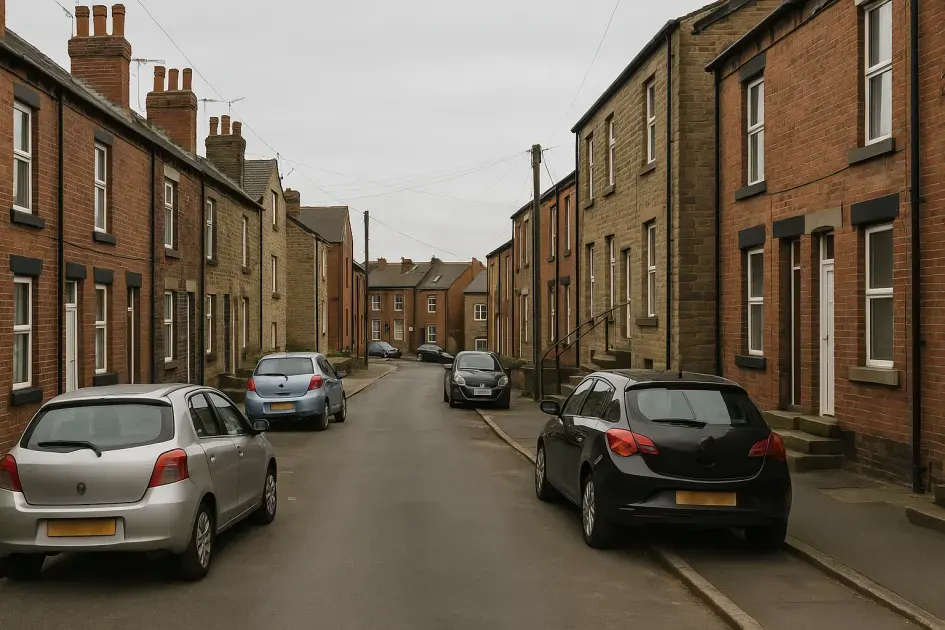
Parking constraints in Bramley, Pudsey and Stanningley are a practical source of extra cost. Many town-centre streets have short-stay bays, loading restrictions at certain times, or residents’ permit zones close to terraces and local shops. If a large removal vehicle cannot legally park close to the property, crews either apply for a suspended-bay permit (often arranged with the local council at additional cost and time) or park further away and incur longer carry times. Illegally parked vehicles can quickly attract fines, which are charged to the customer when parking restrictions prevent legal temporary loading.

You will often need to consider This issue is often linked with moving costs in West Leeds and property access challenges in West Leeds, so reviewing them together usually gives a clearer planning view. at the same time.

For a broader regional view, see moving costs in Leeds.

Long carry distances from parking to door

West Leeds contains many areas where off-street parking is rare — older terraces in Armley and Bramley, and some modern flats converted from mills in Kirkstall. When the nearest legal parking point is 30–100 metres from the entrance, each item requires more handling time. That multiplies the number of van trips and crew-hours, especially for bulky furniture or multiple boxes. Long carries also increase the risk of damage and require more protective kit, which lengthens the job and increases labour and equipment costs.

Extra labour for stairs, narrow entrances and small lifts

Many West Leeds properties present vertical access issues: narrow Victorian staircases in terraces, single‑person lifts in some Kirkstall mill conversions, or tight corridors in older semi-detached homes. Moving heavy items up and down these routes takes more people, slows the operation and often requires special manoeuvring. The operational implication is straightforward — more handlers and more time. For example, a sofa that would be carried in one go from a ground-floor lounge can take two to three times longer to manoeuvre up narrow, winding stairs in an Armley terrace, attracting additional labour costs.

Traffic, restricted streets and time‑of‑day delays

West Leeds sits on arterial routes used by commuters and local trade traffic. Rush-hour build-up on approaches to Leeds city centre and queues near busy shopping streets in Pudsey and Bramley can turn an anticipated 20‑minute transfer into an hour. Restricted streets — for example, narrow lanes on older estate layouts and short-term loading restrictions outside schools or markets — add further unpredictability. These delays increase vehicle running time and may force crews to finish later, triggering waiting time or overtime charges.

Rebooking, overruns and the cascade effect

A single overrun in West Leeds can cascade through a day of work. If a morning move in Kirkstall runs late because a lift is unusable, afternoon bookings on the same vehicle or with the same crew may need rescheduling. Rebooking often carries admin fees and the premium for a later slot — weekends and end-of-month dates in West Leeds are in higher demand, so shifting a job can be costlier than the initial estimate. The real-world implication is that contingency planning (allowing extra time for narrow streets, staircases and parking) reduces the risk of expensive rebooking.

How property type changes the operational picture

- Terraced houses (Armley, Bramley): little or no driveway access, frequent long carries, narrow stairs — higher labour and loading-time costs. - Flats in mill conversions (Kirkstall): limited or no lift access, restricted loading bays, longer day-planning to avoid peak pedestrian flows — more handling time and risk management. - Semi-detached suburbs (Pudsey and parts of Bramley): often have driveways, but cul-de-sacs and narrow residential roads can still force vans to stop some distance away, adding carry time. - New builds on outskirts: they may have better parking but newer estates sometimes have tight estate roads and temporary developer restrictions that prevent large vehicles from getting close — plan for permit arrangements or short-distance carries.

Practical implications for time, cost and planning in West Leeds

Every added constraint in West Leeds converts directly into time and therefore cost: an extra crew member to manage stairs, a suspended-bay permit for legal parking, an additional 45 minutes of loading because the van cannot reverse onto a narrow street, or an overtime rate for late finishes. When planning a move, factor in the specific logistics of the property type and street: check parking controls near the property, note whether lifts are full-size and operational in mill flats, and allow extra loading time where terraces or long carries are involved. For more context on pricing mechanics and typical cost drivers across Leeds, see moving costs in Leeds or the local overview at West Leeds removals service. You can also read the West Leeds cost page at moving costs in West Leeds.


West Leeds removals — common hidden-cost FAQs

Below are short, location-specific answers to common cost surprises that appear during moves in West Leeds. Each answer ties the issue to local streets, property types and typical operational friction.

Armley’s terraced streets and occasional town-centre congestion mean loading often overruns the booked window. If access to the house or keys is delayed, removal vehicles may charge an hourly waiting rate for crew and van time; on tight schedules that waiting adds labour and vehicle-hours to the final bill.

Some streets around Bramley and Pudsey town centres have controlled bays and short-stay parking at peak times. If the removal lorry cannot park legally close enough, crews must carry further or hire a suspended-bay permit, both of which increase time and cost compared with properties that have off-street parking.

Converted mill flats often sit off main roads with loading points a long walk from the building. Each extra 25–50 metres of carry multiplies handling time and can require additional crew or trips, increasing labour charges and loading time slots beyond the initial estimate.

Yes. Victorian terraces in Armley and Bramley have narrow, uneven stairwells. Moving bulky items upstairs is slower and may need extra handlers or protective work — both are charged as extra labour because they materially extend the job’s duration and risk profile.

Absolutely. When the internal path is longer than expected, every trip takes more time, and moving jobs are made of many repeated trips. The arithmetic becomes rude very quickly.

Because the crew spends more time walking, repositioning and waiting. In West Leeds, where factors such as resident permit bays, short-stay controls on dense streets near armley, kirkstall, bramley and limited on-street stopping are common, a weak stopping position becomes a tax paid in minutes.