
Practical moving guide for North Leeds

Overview — what moving in North Leeds looks like

North Leeds covers a variety of neighbourhoods — Headingley, Chapel Allerton, Roundhay, Moortown, Alwoodley, Meanwood and Horsforth — each with distinct property types and access realities. This guide focuses on full-house, flat or office removals where logistics, planning and operational complexity matter. For local area information see removals in North Leeds and the broader Leeds area guide. If you expect specific building restrictions, check property access challenges in North Leeds for more detail.

Step 1 — Pre-move preparation (4–8 weeks before)

Survey the property and entry points

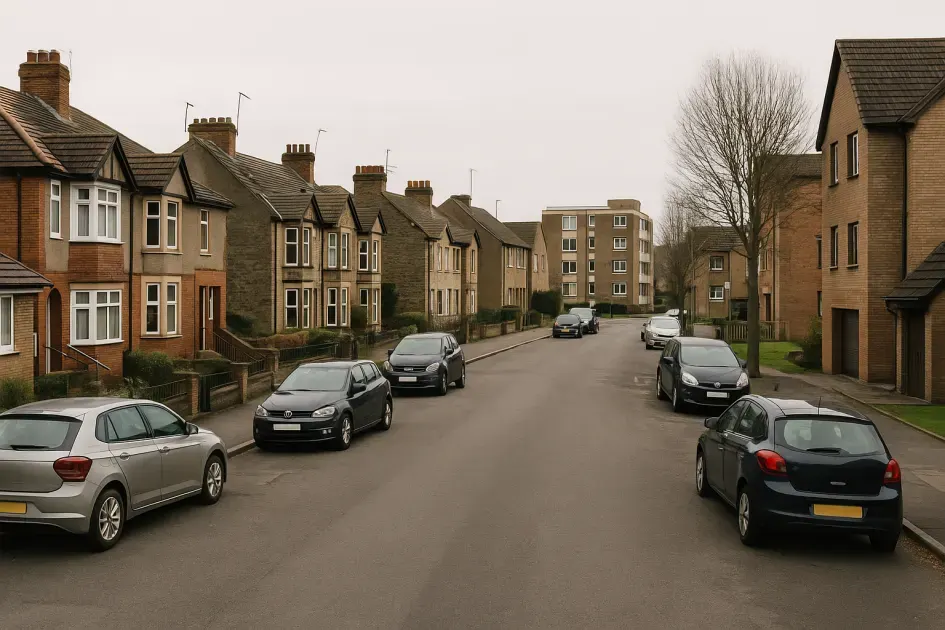
Physically measure door widths, narrow staircases and communal corridors. Victorian terraces in Headingley and Chapel Allerton often have narrow front doors and single-run staircases; this commonly requires furniture dismantling or removal through windows. New builds in Horsforth and Alwoodley typically have wider doors and integral garages, reducing handling time.

removals in North Leeds is the main booking page for checking availability, pricing and move details in one place, while Leeds area guide gives the wider regional context that supports this guide.

Check parking, loading and permits

Identify potential parking positions for the removal vehicle. Many North Leeds residential streets are in controlled zones with permit bays and restricted loading times. For kerbside space directly outside a property you may need a temporary bay suspension from Leeds City Council — arrange this early. Busy shopping streets around Chapel Allerton and Headingley have loading bay time windows which restrict when a large van can park.

For the supporting detail behind the move itself, this guide with moving costs in North Leeds and property access challenges in North Leeds.

Estimate crew and vehicle needs

Match crew size to access constraints: a long carry or narrow stairs increases manual handling time and usually needs an extra porter. If a large removal lorry cannot physically reach the property because of narrow roads, cul-de-sacs or low-hanging trees in older avenues, plan for a shuttle vehicle to run between pavement parking and the property; this adds handling stages and time.

Booking timeline — when to arrange what

General timetable

- 6–8 weeks: Book removals for family homes in summer. North Leeds sees local peaks (student moves around August–September in Headingley).
- 2–4 weeks: Apply for bay suspensions or organise alternative parking if council processing is quick. If parking is likely to be contested, allow longer.
- 1–2 weeks: Confirm building access, lift availability, and arrival time with the moving crew. Walk through the route from vehicle to property and advise of any steps or gates.

Student-heavy streets and peak dates

Headingley and parts of Harehills see concentrated student move-ins each September. During those weeks expect stretched availability of crews and restricted parking; book as early as possible and aim for mid-week moves to avoid the busiest weekend slots.

Packing considerations by property type

Terraced houses

Victorian terraces (common in Headingley and parts of Chapel Allerton) often lack off-street parking, have narrow internal doorways and tight landings. Pack large furniture so it can be partly dismantled, protect delicate cornices and mantels, and stage boxes near the front door to avoid repeated trips up and down staircases.

Flats (Victorian conversions and purpose-built)

For conversions without goods lifts plan for manual stair carries; label boxes with floor numbers and room names so crew can prioritise essentials during long carries. Purpose-built blocks sometimes have small lifts — measure the lift car and factor whether sofas or wardrobes will need dismantling to fit.

Semi-detached and new builds

These often have driveways or garages allowing direct unloading and shorter carry distances. New-build estates in Horsforth and Alwoodley still occasionally include tight estate layouts or narrow entrances — confirm turning circles for large vehicles.

Move-day logistics — practical sequencing

Arrival and vehicle positioning

Plan the vehicle stop point ahead of time. If a bay suspension is in place the removals vehicle should park as close as legally possible. Where the road is too narrow for a large lorry, park on a nearby main road and use a shuttle — expect this to add both time and a supplementary vehicle charge.

Stairs, lifts and doorways

Start with the largest items first so smaller items can be packed around them in the vehicle. On narrow staircases allow extra handling time for furniture rotation, and factor in padding and protective routes through delicate entrances. If a lift is present, confirm weight limits and internal dimensions before attempting to load bulky items.

Handling long carries and shuttles

When the crew must shuttle between the property and parking, establish a steady workflow: crew member on the property to 'marshal'items, porter(s) running the carry, and loader on the vehicle. A continuous shuttle can reduce wasted trips, but expect the overall move to take one to several extra hours depending on distance and volume.

Area-specific planning tips

Headingley

High concentration of terraced student houses and narrow streets. Avoid weekend peak move days in September; expect repeated short carries and strict parking enforcement on residential crescents. Pre-book permit suspensions and plan to dismantle bulky items where staircases are narrow.

Chapel Allerton

Busy high street sections have limited loading times. If your property is near the shopping area, check available loading bays and consider early-morning moves to reduce interaction with market traffic. Many properties are older terraces with similar handling constraints to Headingley.

Roundhay

Large family homes with driveways are common, which simplifies direct unloading. Be mindful of park event days that reduce local parking and increase traffic. For houses backing onto Roundhay Park, confirm access points and avoid banked Sunday event times.

Meanwood and Moortown

Meanwood has steep lanes and cul-de-sacs; steep inclines lengthen manual carries and fatigue. Moortown’s tree-lined avenues can restrict vehicle height and turning; confirm the approach route to avoid blocked moves and additional handling time.

Alwoodley and Horsforth

New builds and semi-detached homes usually ease access, but private drives, gated entrances or estate signage can complicate vehicle approach. Confirm gate codes and turning space in advance; misjudged turns can cost time and may require additional labour to relocate the vehicle.

Operational friction — real-world implications for time, cost and planning

Expect friction in these specific North Leeds scenarios:

  • Narrow Victorian terraces: additional dismantling and careful handling adds hours to loading/unloading.
  • No off-street parking: shuttle runs increase labour time and likely require an extra crew member.
  • Controlled parking zones and loading windows: arranging bay suspensions or shifting move times adds administrative steps and potential cost for temporary kerbside use.
  • Steep roads and long carries: slower manual movement increases risk of damage unless padded routes and extra crew are used.

Operationally, these frictions translate into longer booked slot times, possible need for additional crew or a shuttle vehicle, and fees for council suspensions. Build contingency into your moving day plan — an early start and accurate property survey are the most effective mitigations.

Final checklist for North Leeds moves

  • Measure doorways, stair widths and lift internal dimensions; photograph tight corners.
  • Confirm parking arrangements and apply for any bay suspensions or permits well before moving day.
  • Prepare large items for dismantling where internal access is restricted.
  • Plan move timing to avoid student-season peaks and local event days.
  • Label boxes by floor and room to speed staging on long-carry moves.

Use the local pages for more background: removals in North Leeds, the wider Leeds area guide, and if you have a difficult building see property access challenges in North Leeds.


Frequently asked questions — North Leeds removals

Quick answers to common practical questions about moving in North Leeds, including parking permits, lifts and access on narrow streets.

Many residential streets in North Leeds are within controlled parking zones or have residents' permit bays. For a large removals vehicle you may need a temporary bay suspension (payable to Leeds City Council) or a visitor permit for nearby kerb space. Arrange this at least a week in advance where possible to avoid parking fines and repeated loading/unloading stops.

Check stair widths, whether the block has a goods lift (and its internal size), and whether communal corridors are carpeted or narrow. Narrow single-flight staircases and tight landings commonly found in Victorian conversions often require furniture to be partly dismantled or carried in stages, adding time and labour to the job.

Roundhay Park and other North Leeds venues host weekend events that can congest roads and reduce available kerbside parking. If your move date coincides with a public event, expect longer loading times and consider moving early morning or rescheduling to a quieter day.

If a removals lorry cannot park close due to narrow roads, cul-de-sacs or parking restrictions, items are shuttled by hand or using sack trucks. A 50–150m carry can add one to several hours to the move and may require an additional crew member or a shuttle vehicle, increasing cost and time.

Because each support page isolates a different friction variable. Together they help you plan the move in North Leeds more realistically before returning to the main booking path.

Return to the main service page once the logistics are clear and you are ready to progress the actual booking path. Planning pages should support that step, not compete with it.