How removals conditions vary across Liverpool
Liverpool removals conditions change with neighbourhood layout rather than distance alone. Street width, parking control, lift access, and carry distance are usually the main factors behind crew setup, vehicle choice, and time on site.
For pricing, timing, and booking guidance, start with the main Liverpool page: Removals in Liverpool. For deeper detail, see supporting pages like Liverpool moving timing guide and Liverpool access and property guide.
Neighbourhood access patterns
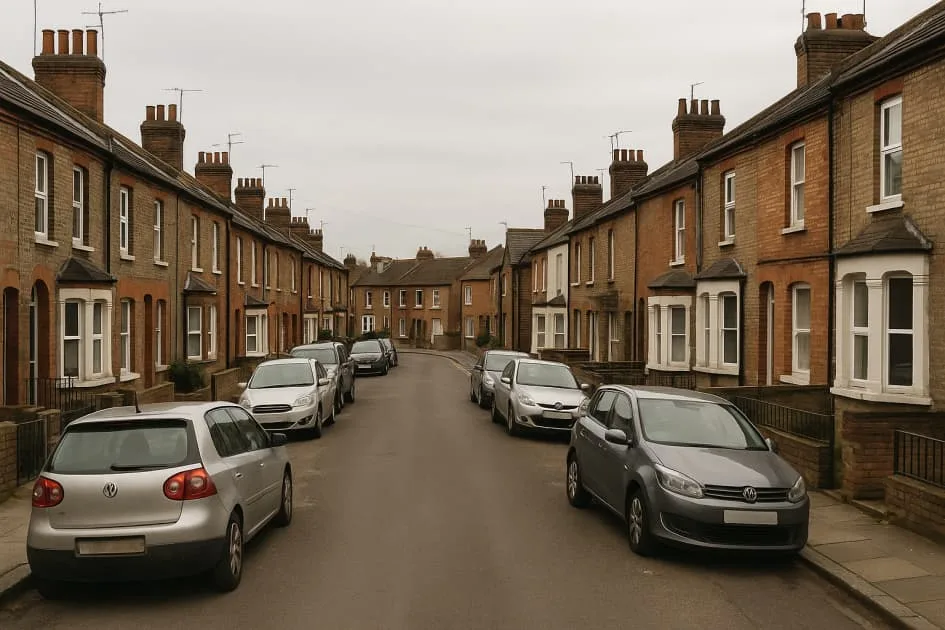
City-centre blocks often have managed loading bays, timed access, and concierge rules. Terraced streets can be tight with permit parking, so reserving space and confirming loading windows is critical. Suburban avenues and cul-de-sacs usually allow closer parking, reducing carry distance and handling time.
Property and loading differences
Victorian terraces may have narrow doors and stepped entries; larger furniture can require protect-and-tilt techniques or partial disassembly. Post-war semis often offer driveways, easing vehicle positioning. Apartment moves depend on lift size, booking slots, and whether a separate service lift is available for trolleys and wardrobes.
How to plan for different move types
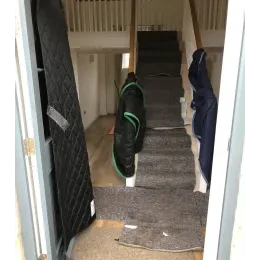
For apartments, confirm lift dimensions, booking windows, and any protective requirements (lift pads, floor runners). For terraces, prioritise parking control and doorway measurements. For semis and detached houses, focus on driveway access, vehicle turning space, and a staged load order (garage, shed, loft, then main rooms).
City-wide baseline: where time is lost
Liverpool does not currently have an active clean-air or charge zone affecting standard removals planning, but loading restrictions, timed access, permits, apartment rules, and city-centre traffic controls can still affect routing and timing.
Delays typically arise at key-release, lift queues, or when parking is more than 25–30 metres from the door. Preventative planning for these pinch points pays off more than adding extra miles to the route plan.
Eight local variables that change removals planning
1) Parking control and bay suspensions
Confirm if permits or a bay suspension are needed, especially near dense streets and apartment blocks. Without this, carry distance and double-handling increase.
2) Stair counts and lift access
Fourth-floor walk-ups and small lifts change crew configuration and load order. Book any service lift and confirm max item size and time slots.
3) Doorway and hallway widths
Narrow terraces need accurate measurements and possible disassembly. Protect corners and agree a furniture-first sequence.
4) Loading distance and gradients
Long or sloped carries slow moves. Use trolleys, dollies, and ramps where permitted, and position vehicles as close as rules allow.
5) Timed access and concierge rules
Some blocks require advance notice, security sign-in, or protective materials. Missing a slot can push the move into peak traffic.
6) School-run and commuter traffic
Arrivals between 08:00–09:30 and 15:00–16:00 can add queueing and parking churn near schools. Aim to load or unload outside these waves.
7) Vehicle size constraints
Tight cul-de-sacs and narrow streets may need a shuttle plan with a smaller vehicle, or careful approach routing to avoid turns that block traffic.
8) Weather and item protection
Wind and rain affect wrapping and carrying. Stage mats, shrink-wrap soft furnishings, and keep toolkits accessible for swift disassembly.
Practical planning checklist
- Secure parking or a bay suspension close to the door; display permits as required.
- Confirm lift size, booking windows, and whether a service lift is available.
- Measure key furniture and tight turns; prepare tools for disassembly.
- Pre-stage labelled boxes by the exit; keep fragile and essentials separate.
- Agree arrival time around school-run peaks and any building quiet hours.
Scenario examples
Example 1: City-centre apartment to suburban semi: book the service lift and loading bay, then plan driveway unloading to reduce carry distance and speed room-by-room placement.
Example 2: Terrace to terrace in a permit zone: arrange a bay suspension, pre-measure doorways for sofas, and load heavier items first to maximise early momentum.
Example 3: Flat with long internal corridors: allocate extra dollies, pad corridors, and run a shuttle from lift lobby to vehicle with a clear load order.
Apply neighbourhood context
Use the area pages to tune your plan to local access and property form. Start with moving overviews, then check property access challenges before finalising timing and crew setup.