
Liverpool Moving Costs: Removals Pricing Explained

Liverpool Moving Costs: Removals Pricing Explained

This page explains how removals pricing is built for Liverpool moves, focusing on the operational tasks that set the schedule. For dates, availability, and planning support, visit the Liverpool removals page.

What affects moving costs in Liverpool

Crew size and vehicle size: Larger crews can shorten the day, while appropriately sized vehicles reduce double-handling. Access constraints (narrow roads, height limits) may require smaller vehicles or a shuttle plan.

Stairs and carry distance: Every flight of stairs or long walk from the vehicle to the door extends handling time. Securing a close parking spot or a loading bay makes a measurable difference.

Packing and disassembly: Full packing, fragile wrapping, and taking beds or wardrobes apart add time. Reassembly at destination should also be allowed for.

Awkward items: Pianos, American-style fridges, and large corner sofas may require extra protection, specialist equipment, or additional personnel to move safely.

Timing and building rules: End-of-month Fridays and school holidays are busier. Apartment lifts often need booking, and city-centre addresses can have timed loading windows. Liverpool does not currently have an active clean-air or charge zone affecting standard removals planning, but loading restrictions, timed access, permits, apartment rules, and city-centre traffic controls can still affect routing and timing.

Typical move price patterns in Liverpool

Move patternKey driversOperational effect
Local flat with lift and reserved loading bayShort carry, lift access, single runFaster loading/unloading; smaller crew can stay efficient
High-floor apartment with no lift, city centreMultiple stairs, timed loading, traffic controlsExtra handling time; larger crew to maintain pace
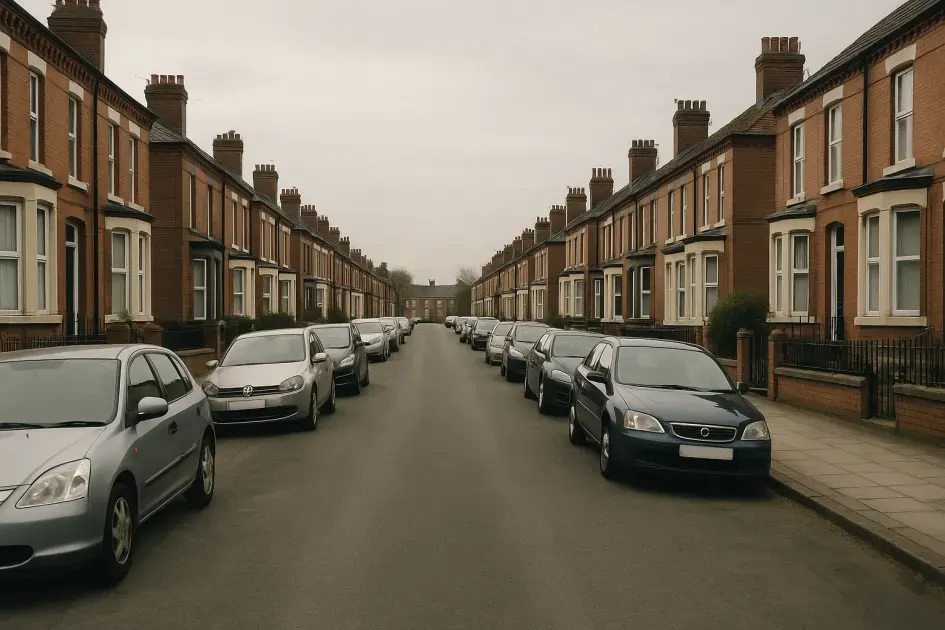
Terraced house with tight parking and long carryPermit/dispensation, carry distance, item stagingPossible additional trips or smaller vehicle access
Long-distance house move across regionsDriving hours limits, route planning, overnight holdMulti-day schedule with fixed departure/arrival windows
Move with full packing service addedMaterials, room-by-room packing, fragile careExtra prep day or extended loading window

Cost examples by move type

Scenario 1

One-bedroom flat within Liverpool, lift booked for a morning slot, loading bay reserved. A compact vehicle parks close, two to three crew handle packing of fragile items only. Minimal carry and uninterrupted lift access keep the schedule tight.

Scenario 2

Three-bedroom terrace to a semi across Merseyside. Street is narrow; a parking dispensation is arranged and wardrobes are dismantled. The crew plans staged loading to reduce carry distance and brings tools and protection for reassembly at the destination.

Scenario 3

City-centre apartment to South Liverpool on a busy Friday with a 10:00–12:00 lift booking. A piano and glass display cabinet require extra protection and coordinated elevator runs. Four-person team, clear roles, and timed vehicle arrival prevent bottlenecks.


How to keep the move efficient

  • Secure parking or a loading bay as close to the entrance as possible.
  • Pre-declare stairs, carry distances, and any awkward or oversized items.
  • Decide on packing scope early and set aside essentials you will move yourself.
  • Measure large furniture and doorways; plan disassembly and reassembly.
  • Confirm lift bookings, building rules, and any timed loading windows in writing.

Where to look next

Ready to plan dates and logistics? Start on the Liverpool removals page. For more local insight, explore these guides:

Dive deeper into cost-focused detail by area:


Liverpool moving costs: quick answers

Short, practical guidance on what drives removals pricing and how to plan efficiently.

Key drivers include stairs, long carry distances from vehicle to door, tight parking or timed loading, and whether packing or furniture disassembly is required. Busy dates (Fridays, end-of-month) can extend schedules.

Yes. Each additional flight of stairs or extra metres between the vehicle and your door adds handling time. Planning a closer parking spot or arranging a loading bay reduces trips and keeps the schedule tighter.

A larger crew can shorten the day, while a suitably sized vehicle can reduce shuttling. However, narrow streets or low car parks may force smaller vehicles or extra trips. Balancing access with capacity is key.

Access, timing, and scope vary. One property might have a lift and reserved bay; another could involve stairs, dismantling wardrobes, or a piano. These differences change handling time, crew requirements, and routing.

Check for parking dispensations, any bay suspensions, apartment lift bookings, and building management loading rules. Confirm delivery windows and any hold rooms for furniture staging before move day.