Hidden costs when moving in Sefton

Why removals in Sefton generate unexpected charges

Sefton covers a wide range of property types and street layouts — from seaside terraces and promenade-front houses in Southport and Formby, to converted flats in Crosby and Bootle, to semi-detached suburbs and compact new-build estates in Maghull and Aintree. Those local physical realities create specific operational frictions that drive hidden costs: restricted parking, long carries across promenades or dunes, narrow staircases, and estate roads that block large lorries.

Use removals in Sefton first for the core service page when you want the clearest route from cost checks to booking.

For a broader regional view, see moving costs in Liverpool.

Parking controls, loading bays and permit costs

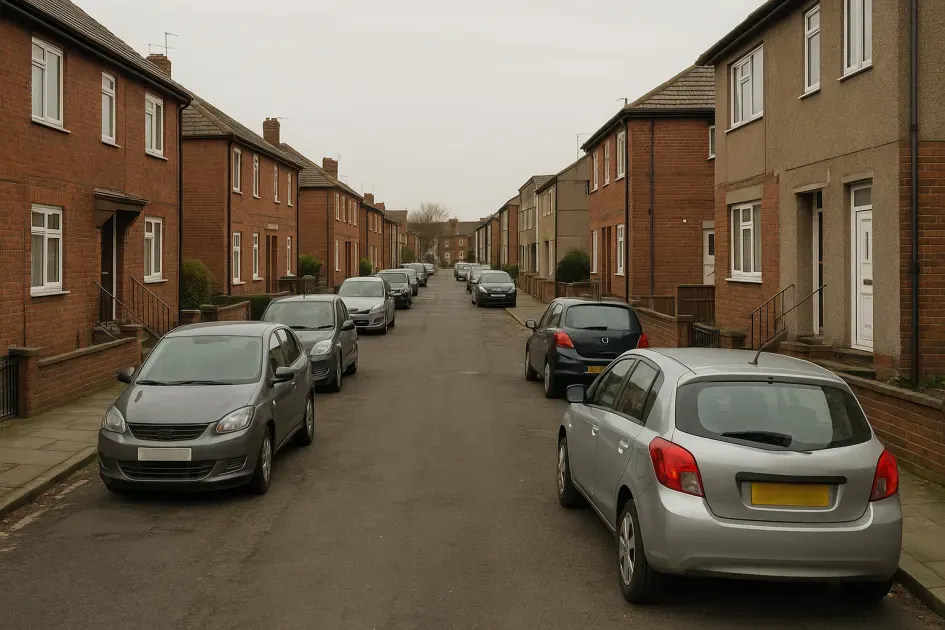
Parts of Sefton operate controlled parking zones and resident bays close to high streets and coastal attractions. If a removal vehicle cannot legally stop outside the property, crews either wait until parking is available or the team is forced to carry items from a few streets away. Securing a temporary loading bay suspension or a short-stay parking permit from Sefton Council is often faster than risking parking enforcement, but these are not free — expect a charge for bay suspensions in busier locations such as central Southport or Crosby high street. Failing to arrange permits can lead to PCNs or wasted time finding alternative parking, both of which increase the final bill.

Waiting time charges and the cost of overruns

Removals runs to schedules; any delay converts into waiting-time charges. In Sefton those delays are frequently caused by event traffic on promenade roads, weekend surge visitors at Crosby Beach, or slow-moving HGV traffic near Bootle docks. If a move is delayed by local congestion or restricted access times, removal crews will need to bill for extra hours on site and for vehicle-running time. Operationally, this can mean additional crew-hours and higher hourly vehicle rates — a short delay of an hour can add materially to the invoice when crews are already scheduled back-to-back.

In practice, this usually connects with To spot where extra costs usually appear before booking, look at moving costs in Sefton and property access challenges in Sefton as well..

Long carry distances: promenade houses, terraces and beachfront access

Many coastal and riverside properties in Sefton do not allow close vehicle access. Southport and Formby properties backing onto promenades, or terraced houses whose front doors open directly onto narrow pavements, often force removals teams to carry furniture tens of metres over sand, boardwalks or crowded pavements. Long carries increase loading and unloading time and raise the chance of requiring more staff or additional protective equipment — all of which translate directly into higher labour and time charges.

Extra labour for stairs, narrow doorways and Victorian conversions

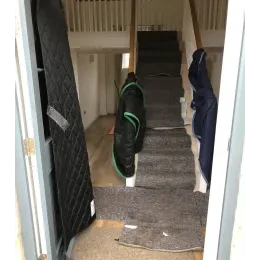
Converted flats above shops and older Victorian terraces — common across Bootle, Crosby and parts of Seaforth — typically lack lifts and have narrow staircases and tight landings. Moving large items through these spaces requires extra hands, specialist handling and often disassembly/reassembly. That increases the on-site labour time and sometimes necessitates more crew than originally quoted. Because stair carries are slower and riskier, removal teams will also factor extra time margins into their schedules for Sefton properties with these layouts.

Narrow roads, tight turns and new-build estate constraints

New housing estates in areas such as Maghull and Aintree were often built with narrow roads and limited verge space, making it difficult for 7.5t or larger removal lorries to park and turn. When a large vehicle cannot reach the property, operators switch to smaller vehicles and then perform shuttle runs — more journeys, more loading/unloading cycles, and more crew time. That substitution increases vehicle hours and labour costs compared with a single drive-up unload.

Delays caused by local traffic patterns and events

Sefton’s traffic picture changes seasonally. Southport’s seafront sees heavy weekend and holiday traffic; Crosby draws crowds to the promenade and Antony Gormley’s 'Another Place'sculpture; Bootle and Seaforth are affected by freight movements and access to port facilities. Those local patterns create unpredictable delays. An otherwise straightforward morning slot can be extended by slow access or temporary road closures, turning a scheduled job into an overrun where additional labour and vehicle hours become unavoidable.

Rebooking, cancellations and the domino effect on cost

If a move in Sefton must be rebooked because of access issues or missed permits there are knock-on costs. Late cancellations might incur cancellation fees for the slot or for booked staff, and rescheduling to a new date risks higher rates if moved into a busier period (weekends, bank holidays or event days). For multi-stage moves involving parking suspensions or traffic management, postponements also mean losing pre-arranged permissions and paying again to resecure them.

How to apply this to your Sefton move

Identify the local access factors that most affect time on site: whether the property is a promenade-facing house in Southport, a flat above a Crosby shop without a lift, a terraced street in Bootle with narrow pavements, or a Maghull new-build with tight cul-de-sacs. Each of those conditions changes the operational plan — permit requests, a larger crew for stair carries, shuttle vehicle runs for long carries, or extra time allowances for event-related traffic. For practical next steps, see the local removals overview at removals in Sefton and read about how local factors feed into pricing on the Liverpool-wide moving costs page at moving costs in Liverpool. For specific cost implications tied to Sefton properties, consult the detailed guide at moving costs in Sefton.


Frequently asked questions about hidden Sefton removal costs

Practical, location-specific answers about the extra charges that commonly appear when moving in Sefton — from permit fees to labour for long carries and stair carries.

Properties near the coast in Southport and Formby often sit behind promenades, dunes or restricted parking areas. If a removal lorry can’t park at the property, items have to be carried farther from vehicle to door. That increases crew time and may trigger additional labour charges for extra men or hours.

Yes — parts of Crosby, Waterloo and central Southport have controlled parking zones, resident bays and limited or timed loading bays. Temporary bay suspensions or parking permits arranged with Sefton Council can carry a fee (often tens to low hundreds of pounds depending on location and duration) and should be planned in advance to avoid on-the-day fines or delays.

Many modern estates in Maghull and Aintree have narrow turning circles, tight cul-de-sacs and parked cars that prevent large removal lorries getting close. That often forces use of a smaller tail-lift vehicle and extra shuttle trips, increasing labour and vehicle hours compared with a straight drive-up unload.

Overruns turn into waiting-time and extra labour charges. Southport events (beach festivals, pier activity) and weekend visitors to Crosby beach can slow access dramatically; docks-related traffic around Bootle and Seaforth adds unpredictable delays. Re-booking slots or extending crew time will raise the final cost and can affect other bookings.

Yes — many Sefton flats are conversions above shops or older terraces with narrow stairwells and no lifts, particularly in Bootle and parts of Crosby. Stair carries require extra crew and careful handling, typically billed as additional hours or as per-item stair charges, because they slow the team and increase risk and time on site.

Because the crew spends more time walking, repositioning and waiting. In Sefton, where factors such as resident permit bays, short-stay controls on denser streets near waterloo, bootle, southport centres and driveway loading possible on many semi-detached roads in formby, maghull, parts of crosby are common, a weak stopping position becomes a tax paid in minutes.