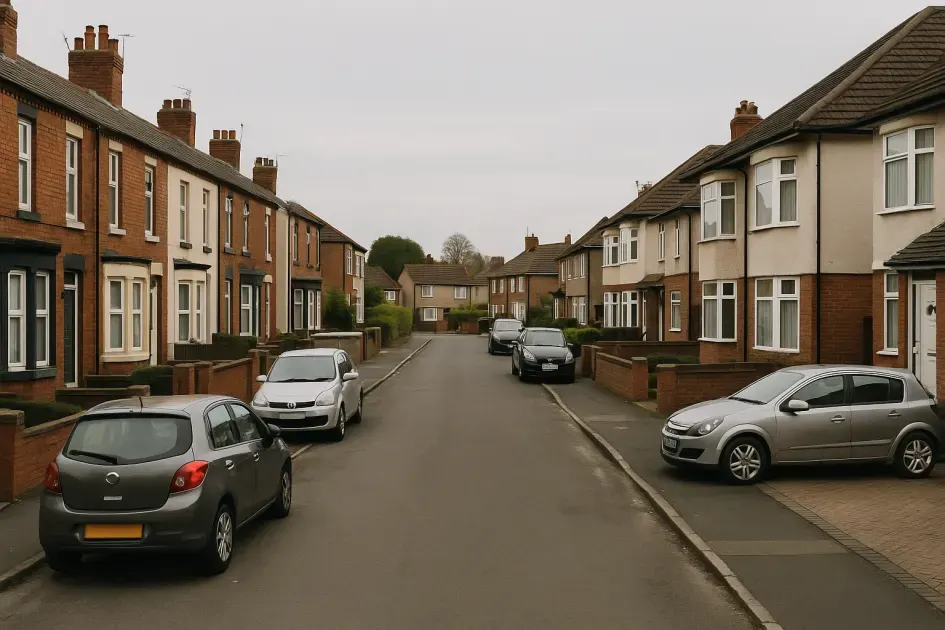
Sefton covers a mix of housing: Victorian terraced rows in parts of Bootle and Litherland, converted flats along Crosby and Waterloo, semi‑detached family homes in Maghull and Formby, plus pockets of new builds and modern apartments near Southport and Netherton. Each type creates different packing priorities because the practical reality of access and carry varies by neighbourhood.
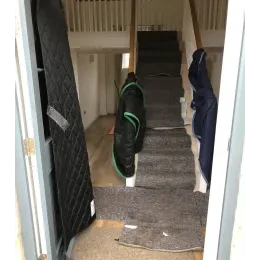
Terraces often have narrow frontages, little off‑street parking and steep staircases. Use many small, evenly packed boxes for stair carriage and keep pathways clear. Disassemble long items like bed frames to ease tight turns on landings. Expect extra time for multiple short trips between the vehicle and the front door; plan this into the timetable to avoid rushed handling.
removals in Sefton is the main booking page for checking availability, pricing and move details in one place.
For a broader regional view, see Liverpool moving timing guide.
Converted flats regularly feature tight winding stairs and small corridors. If a lift exists, measure it—some service lifts in Crosby blocks are too small for sofas and wardrobes. Pack fragile and high‑priority items in stackable boxes that fit a narrow lift if available. For upper‑floor flats without a lift, factor in stair labour: more boxes of manageable weight reduce stoppages and speed the move.
For the next planning step, compare this issue with best time to move in Sefton and moving guide for Sefton so the booking page can stay focused on the actual move rather than duplicate planning detail.
Semi‑detached homes often allow van access at the kerb or drive, but garden paths and gated access can create awkward carry lines. Use trolleys for long paved garden routes, protect door frames when carrying large items, and coordinate window or gate removal where needed to reduce handling time.
New developments may have estate layouts where turning a large removal vehicle is restricted; some roads are narrow cul‑de‑sacs with limited parking. Confirm access with site management and measure service lifts. Packaging should allow staged loading in case the van must park away from the entrance.
Stair carriage is a major time and cost driver in Sefton moves. Pack intentionally to minimise stops and double‑handling:
Real‑world implication: if stair access forces manual carries for dozens of items, plan for extra crew hours and slower packing/unpacking. Small box strategy increases the number of items but reduces stoppages and injury risk.
In parts of Sefton, vehicle access is limited by coastal walkways, conservation areas or busy high streets—this turns a short move into a long pedestrian carry:
Time and cost effect: longer carries increase handling time and speed loss; factor in extra packaging materials and protective covers when budgeting.
Loading order and clear labelling cut unloading time in constrained Sefton locations. Use a simple, consistent system:
Operational friction: in Sefton streets where the van cannot stop for long, loading must be rapid and sequenced to avoid repeated trips back to the vehicle — good labelling directly reduces labour time.
Tight access points in Sefton—narrow residential roads, parking bays, or sloped drives—require upfront planning:
Real‑world outcome: these steps prevent costly on‑the‑day improvisation and reduce the chance of incurring overtime charges due to slow loading caused by restricted access.
For more on how timing affects moves in Liverpool and greater Sefton, see the Liverpool moving timing guide at /removals/liverpool/moving-timing-guide. For specific information about local move windows and seasonal constraints in Sefton, visit the main removals page at /removals/liverpool/sefton and consider the local calendar at /removals/liverpool/sefton/best-time-to-move.
Short, Sefton-specific answers to common packing questions: stair logistics in terraced areas, lift constraints in flat conversions, parking and permit impacts, and labelling for quick unloads.
Use small (20–30 litre) boxes for heavy items such as books and crockery so they can be carried down narrow, steep Victorian staircases common in Bootle and Litherland. Medium boxes (40–60 litre) suit linens and clothing. Oversized boxes are fine only when there is ground‑floor access or a wide front drive, which is less common in these terraced streets.
Converted Victorian flats often have no lift or a narrow staircase; newer apartment blocks by the seafront may have lifts but frequently with tight interior dimensions and weight limits. Measure lifts and stair widths in Crosby and Waterloo in advance—if the lift is small, plan to protect items for manual carriage or disassemble large pieces.
Yes. Many Sefton neighbourhoods have on‑street parking, permit zones or short-stay bays. If the removal vehicle cannot park close, carry distances increase and so do loading times. Budget for extra crew hours or arrange a temporary parking suspension with Sefton Council to keep costs predictable.
Wrap furniture in quilted covers and use stretch film to keep grit or salt spray away. Put fragile components into padded boxes and use trolleys or two‑person carries for long pedestrian routes along promenades. Expect slower progress and allow extra time to avoid rushed handling that causes damage.
Label each box with room, priority (e.g., 'kitchen—unpack first'), carry weight (light/medium/heavy) and direction arrows. Number boxes to match a simple inventory and mark stairs‑only items clearly so loaders know which go straight upstairs versus which need short‑term placement in the hallway when access is constrained.
The exact answer depends on the access route, loading position, building type and timing conditions in Sefton, but clear planning is usually the simplest way to reduce friction and avoid surprises.