What affects removals costs in Sefton, Liverpool

Why Sefton’s local features change the price of a move

Sefton covers a mix of coastal towns and suburban villages — Bootle terraces, Crosby and Formby suburbs, Maghull and the promenades of Southport — and each environment creates different logistical demands that feed directly into time and cost. Practical differences in street layout, parking enforcement and building type change how long a move takes and what equipment and staff are needed.

Property type: terraced, flats, semi-detached and new builds

Type of property is a primary cost driver in Sefton because it determines access inside the building and the amount of handling:

removals in Sefton is the main booking page for checking availability, pricing and move details in one place, while moving costs in Liverpool gives the wider regional cost picture.

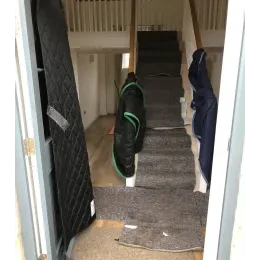
  • Terraced houses (common in Bootle and central Crosby): narrow hallways and tight staircase turns slow packing and loading. Movers need more time per item and often protective materials for staircases, increasing labour costs.
  • Flats (waterfront blocks in Waterloo and older blocks in Southport): lack of lifts or small lifts forces manual carries. Each stair flight adds crew minutes that accumulate into higher hourly charges.
  • Semi-detached homes (Maghull, parts of Crosby): driveways and wider doors reduce handling time; these moves generally cost less for the same house size because large vehicles can park close and items can be moved on dollies.
  • New builds and estate properties (recent developments around Aintree and parts of Sefton East): while roads are wider and parking plentiful, estate rules (moving windows, site gates) and limited turning circles for large lorries can still mandate short-distance shuttles, so savings are real but not automatic.

Access constraints on Sefton streets and buildings

Local access realities in Sefton have immediate operational consequences:

If you want to separate headline pricing from the details that change the final job, hidden moving costs in Sefton and property access challenges in Sefton.

  • Parking permits and Resident Parking Zones: many Bootle streets and some Southport residential roads require permits or short-stay bays. Applying for temporary parking suspension or moving onto a nearby legal bay takes time and, in some cases, paid council approval that adds to the job cost.
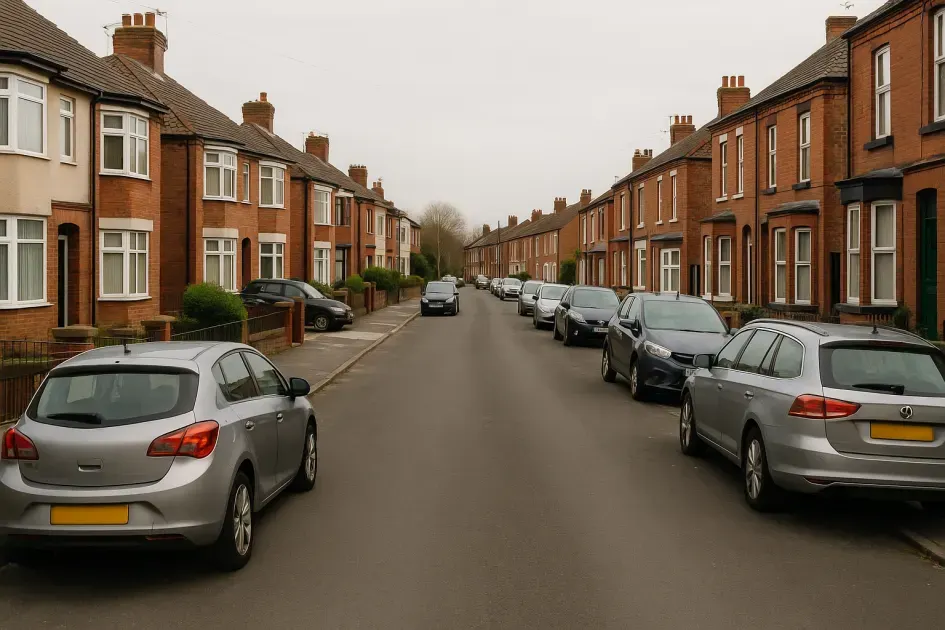
  • Narrow roads and conservation areas: older parts of Crosby and Formby have narrow lanes and conservation area restrictions that prevent parking a large removal lorry directly outside. When vehicles must park further away, carry distance increases and so does labour time.
  • Lifts versus stairs: several blocks in Sefton, particularly Victorian conversions in Southport, have no lift access. Each bulky item carried up stairs multiplies labour minutes and raises the chance of needing a larger crew or specialist handling equipment.
  • Cul-de-sacs and turning restrictions: modern estates in Maghull sometimes have turning prohibitions for heavy vehicles; this forces alternative parking solutions or multi-stage unloading, lengthening the operation.

Vehicle limitations and the cost of shuttles

Large removal lorries are efficient if they can get close. In Sefton the local street geometry often decides whether one large vehicle suffices or whether a shuttle is needed:

  • If a 26ft lorry can park adjacent to the property (more likely in semi-detached or new build areas), loading is faster and labour hours drop.
  • If access is restricted — narrow terrace street in Bootle or no turning head in an estate — larger vehicles must park legally at a distance and smaller vans shuttle items. Each shuttle trip adds loading/unloading time and fuel, which are billed as additional operational costs.

Crew size and how physical constraints change manpower needs

Crew requirements are determined on-site by access and property layout. Examples from Sefton:

  • A three-bedroom mid-terrace in Bootle with narrow stairs commonly requires an extra pair of hands to keep moves safe and on schedule; that increases labour charges relative to a similar-sized semi with a driveway.
  • Walk-up flats in Southport usually need more movers per bulky item to manage stair carries safely, and specialist furniture dismantling may be needed if doorways are tight.
  • When parking is far from the front door, an additional crew member functions as a shuttle runner to maintain a steady workflow — a staffing decision that raises the hourly cost but reduces total move time.

Operational friction: carry distance, loading time and local restrictions

Three practical frictions repeatedly affect moves in Sefton:

  • Carry distance: each extra 10 to 20 metres between vehicle and front door materially increases the labour required; long garden routes common in certain Maghull and Formby plots add minutes per item.
  • Loading/unloading time: tight doorways and staircase manoeuvres slow every piece of furniture. Victorian homes with narrow turns (present in parts of Southport) demand slower, more cautious handling, increasing time on task.
  • Local rules and enforcement: temporary suspension of parking bays or visiting a council office to arrange loading permissions creates administrative lead time and sometimes fees that show up on the final bill. See more on how local rules can hide costs at /removals/liverpool/sefton/hidden-costs.

Time-based cost increases: when timing raises the price

Timing in Sefton affects price more than in many inner-Liverpool streets because of commuter patterns, school runs and seasonal visitors:

  • Time of day: morning peak times (08:00–09:30) and late afternoons coincide with school traffic in suburban Sefton, slowing arrival and loading. Restricted access windows on some estates mean crews must work in a tighter schedule, sometimes attracting overtime rates.
  • Day of the week: weekends are high demand for household moves across Sefton — particularly around Southport and Formby during summer — and peak-day premiums are common. Midweek slots are generally less expensive and easier to schedule.
  • Seasonal effects: summer months and bank holidays raise demand dramatically in coastal Sefton towns, increasing labour scarcity and therefore higher hourly or surge pricing versus quieter months. Comparatively, central Liverpool pricing is more level throughout the year because of steady turnover in city-centre flats.

Why a Sefton move can cost more or less than moves elsewhere in Liverpool

Comparing Sefton to other Liverpool areas shows why local detail matters:

  • City centre Liverpool often has strict loading bay rules and congestion but benefits from short carries where parking is available; Sefton’s suburban terraces create long carries and permit issues that drive up labour hours rather than parking fines.
  • Some outer-Liverpool districts offer easy driveway access similar to parts of Maghull, but Sefton’s mix of coast, older terraces and modern estates means a wider spread of outcomes — a move in Formby with a long garden path will take longer than a comparable property in Liverpool suburbia with immediate curbside access.
  • Seasonal visitor traffic near Southport and Crosby promenade can create day-to-day variability in Sefton costs that isn’t as pronounced in inner-city moves.

Practical next steps and local resources

When planning a move in Sefton, build quotes around the real constraints: property type, likely vehicle position, expected carry distance and whether lifts are available. For general citywide pricing reasoning, see /removals/liverpool/moving-costs, and for local permit and unexpected fees read /removals/liverpool/sefton/hidden-costs. For area-specific operational notes and neighbourhood detail, visit the main Sefton removals page at /removals/liverpool/sefton.

Move size Typical range What usually affects it
Studio / small 1-bed £140–£280 permit-controlled residential streets with limited standing room outside frontages in waterloo and parts of crosby and resident permit bays and short-stay controls on denser streets near waterloo, bootle and southport centres.
1–2 bed flat £260–£480 Carry distance, stair cycles, lift access and van positioning.
2–3 bed home £420–£780 Furniture volume, loading distance, disassembly needs and timing pressure.

Common cost questions for Sefton moves

Short answers to the most frequent pricing questions about moving within Sefton or to/from Sefton.

Bootle’s tightly packed terraced streets and widespread permit parking create extra carry distances and loading delays. Expect longer loading times and potentially a two-stage vehicle plan (large lorry to a legal parking spot, smaller shuttle for the last metres), which increases cost compared with a suburban driveway move.

Yes. Many older blocks in Crosby and Southport lack lifts; each flight of stairs increases labour time and physical strain, so moves to or from walk-up flats typically require more crew hours and therefore higher labour charges than ground-floor or lift-served flats.

Demand spikes on weekends and in summer months around Southport and Formby, so operators often apply peak-day surcharges and face fewer available slots—this raises the effective cost versus midweek moves.

Permit schemes and short parking bays in parts of Sefton (common around town centres and coastal attractions) add time for permit applications, stewarding or walking items from a legal parking place. Those delays are charged either as additional hours or as a separate logistics fee.

If a removal vehicle cannot legally or physically reach the property (narrow lanes in older Crosby estates, cul-de-sacs in Maghull), a smaller van shuttle or multiple trips will be needed. The extra loading/unloading cycles and increased crew time are direct cost drivers.

In many cases, yes. A quieter weekday slot can reduce waiting and make access more predictable, especially where factors such as weekday commuter pressure and school start, finish times slow residential approach roads across suburban parts of sefton tend to create friction at busier times.