Access and property constraints in Liverpool
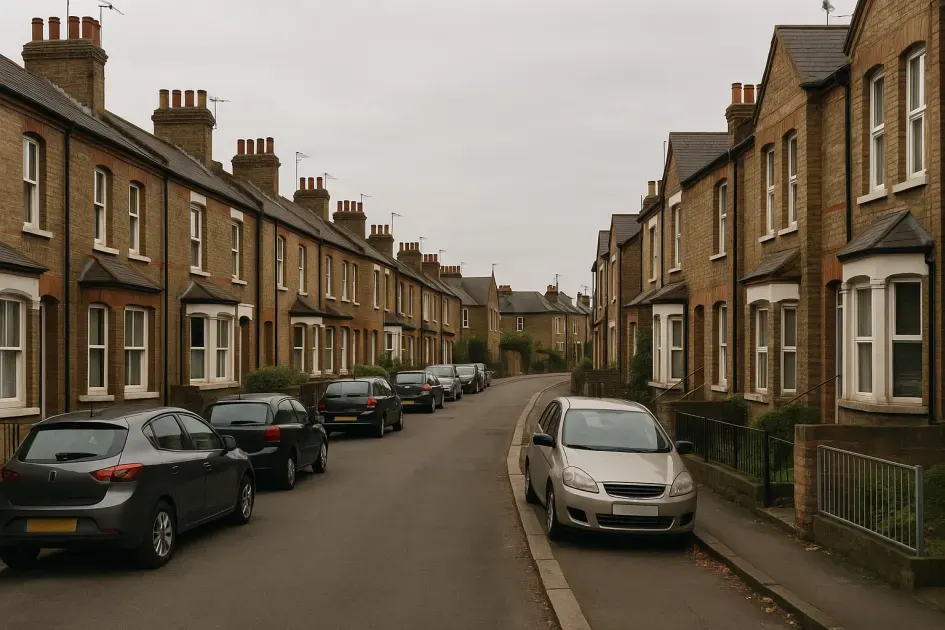
Plan for narrow streets around older terraces, permit-controlled parking near central districts, and tight frontage access where pavements are shallow. Flats can introduce concierge rules and lift bookings, while houses with rear lanes may still have limited vehicle turning.
Key friction points include carry distance from legal bays to the door, stairs where lifts are absent or limited, and controlled loading windows that constrain start/finish times.
Street access and loading realities
City-centre and popular high streets can have timed loading windows and one-way systems. Residential crescents and cul-de-sacs may limit vehicle size or turning, so a shuttle approach can be useful for final access. Always check if temporary loading near bus stops, junctions, or school zones is prohibited at certain times.
- Narrow streets: position the vehicle for minimal reversing and keep clear sight lines.
- Controlled loading windows: align crew arrival with permitted times to avoid idle time.
- Carry distance: use trolleys and staging points to shorten repeated trips.
For time-of-day strategy, see the Liverpool moving timing guide.
Building and property friction
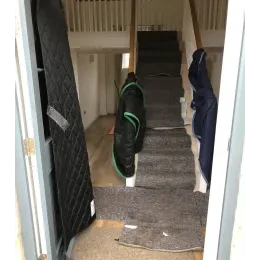
Flats often require advance lift bookings, protective blankets for lift cars, and confirmation of allowed move hours. Concierge-led buildings may need names and ID for access. In walk-ups, plan extra time for stairs, especially with large furniture. Terraces with tight frontages benefit from door removal or furniture disassembly to reduce hallway scuffs.
- Flats: confirm lift size, booking slot, and key or fob handover.
- Stairs: account for slower handling and rest points.
- Tight access: measure doorways, stair turns, and banister heights; prepare for partial disassembly.
Parking, permits, and managed access
Permit parking is common. Arrange visitor permits or bay suspensions where possible and place signage early to discourage casual parking in your reserved area. Where the frontage is tight, identify an alternative loading point and plan a short carry with ramps or skates for heavy items.
- Check CPZ times and event days that alter restrictions.
- Coordinate with neighbours or building managers for shared access routes.
- If lifts are busy, request priority or an extended booking during the heaviest items.