Property challenges for removals in North Liverpool

How North Liverpool’s buildings and streets shape a removal

North Liverpool is a mix of dense Victorian terraces, post-war suburban streets and pockets of modern developments. Each building type and street layout creates specific, measurable friction for a removals operation: where a truck can park, how far crews must carry, whether lifts accept standard pallets, and what permissions are needed from the council or housing management.

Use removals in North Liverpool first for the core service page. If you want wider parent-area context around access and building layout, see access and property guide for Liverpool.

Terraced housing: narrow frontages and rear alley realities

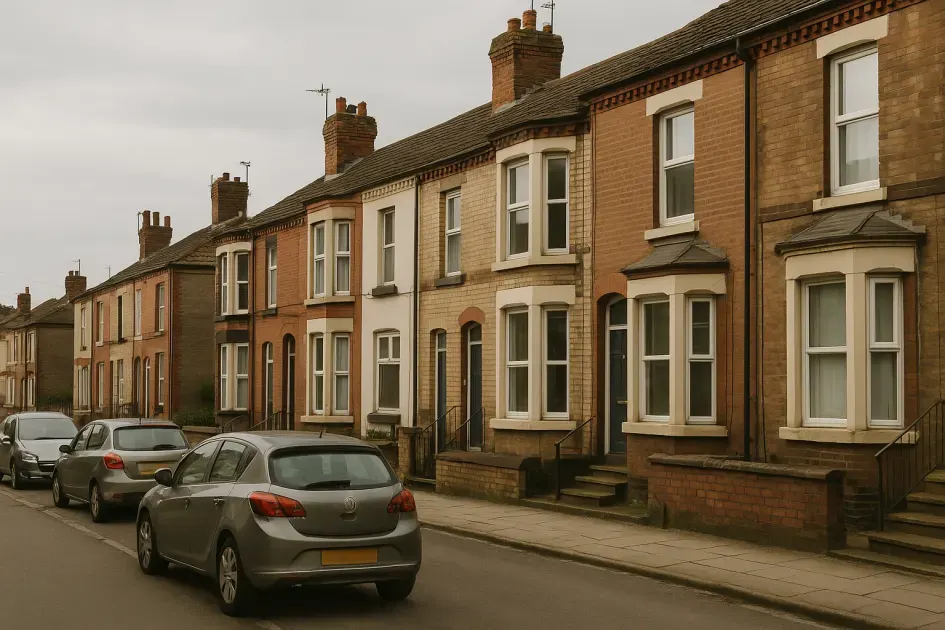
Many terraces in Kirkdale, Everton and Walton were built in the late 19th and early 20th centuries. Typical physical characteristics include narrow front doors, compact hallways and staircases with tight landings. These features increase handling time because sofas, wardrobes and mattresses often need to be negotiated on a set of turns or partially dismantled.

Rear yard access via back alleys is common but not uniform — some alleys are gated, overgrown or shared across multiple properties. Where the alley is the only practical exit, crews must plan for longer carry distances from the road to the property entrance. That carry distance translates directly into additional labour hours and therefore higher removal costs. In some cases, a crane or external hoist is the only viable option for large, fragile items — but those require permits from Liverpool City Council and advance booking because of street obstruction and safety zones.

In practice, this usually connects with To understand how building layout affects the wider move plan, pair this page with moving guide for North Liverpool and hidden moving costs in North Liverpool..

Flats and apartment blocks: stairs, lifts and communal spaces

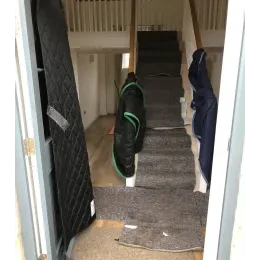
Converted Victorian houses along streets such as Scotland Road and Vauxhall Road often become multiple flats with narrow communal staircases and small landings. Top-floor flats without lifts are common; every large item moved above ground floor adds multiple minutes per carry and increases breakage risk. Tight stair widths can render some furniture impossible to manoeuvre without dismantling.

Modern apartment blocks in the area may have lifts, but those lifts are frequently limited by dimensions and weight capacity and can also be reserved for residents or maintenance. Many blocks enforce strict loading times and require notification or booking of service lifts and loading bays through the managing agent. Failing to secure a slot means additional waiting time on the street and potential queuing for the lift.

Narrow roads, parking restrictions and council controls

North Liverpool’s road network contains many narrow, terraced-street corridors and some one-way systems. Streets near Anfield and the older residential pockets do not easily accommodate large articulated vehicles; reverse manoeuvres and street swaps can add minutes or require off-street parking alternatives further away. Where permitted kerbside loading is not available, crews must shuttle items over longer distances on foot.

Parking enforcement and resident permit zones are active across North Liverpool. To secure a legal loading space adjacent to a property, it is often necessary to arrange a temporary bay suspension with Liverpool City Council — particularly in specialist zones around Everton and Walton. On matchdays and during local events, temporary restrictions are applied which can make planned parking spaces unavailable, adding both time and uncertainty to the move.

Suburban versus dense layouts: differences that matter

Suburban pockets north of the city centre (for example, parts of Walton closer to the Ring Road) tend to have off-street drives or small front gardens, which reduce carry distance and loading time. However, these areas can still have narrow access points and lower tree cover that restricts large vehicle manoeuvres.

By contrast, denser wards in central North Liverpool feature terraced grids and shorter street blocks; while distances to the property from a parked vehicle are shorter, the available working space for loading is minimal. That increases the time required per item because movers must be more careful with furniture and navigate pedestrian traffic and street furniture (bins, lamp posts, parked cars).

New builds vs older properties: predictable and unexpected frictions

New-build estates bring predictable constraints: small service roads, private parking courts and property managers who control vehicle access and delivery windows. Although lifts are often present, they may be narrow and have strict weight limits. Many developments require prior notification to use service yards, and some only permit deliveries during defined hours — a planning requirement that increases the administrative side of a move and can extend the overall timeline.

Older properties create different problems: irregular stair angles, fragile plasterwork, tight cornering and inconsistent door sizes. These conditions mean more protective packaging, more careful handling and, frequently, slower progress. In several North Liverpool terraces the only practical option for very large items is a temporary external lift — arranging that requires council permits and can add notable cost and scheduling lead time.

Real-world implications for time, cost and planning

Every physical constraint in North Liverpool converts to measurable operational effects:

  • Carry distance: an extra 30–60 metres of carry from kerb to property can add 30–90 minutes to a removal depending on volume and stair runs.
  • Stairs vs lifts: each flight of stairs for sofas/wardrobes typically increases handling time by 10–20% compared with ground-floor moves; multiple flights multiply this effect.
  • Parking and permits: securing a suspended bay or reserved loading zone often requires payment to the council and at least several days’ notice; failure to do so leads to on-street parking searches and lost time.
  • Event disruption: moves scheduled on Anfield matchdays or during local events may encounter road closures or enforced re-routing — this risk must be planned for or avoided.
  • Special equipment: using a temporary external hoist or scaffold for large items adds cost and needs council/estate permissions and a longer lead time.

Practical next steps and where to find more local detail

Assess the property type and immediate street environment before finalising a removal date. If the property is a top-floor flat without a lift, expect longer carrying times and consider whether larger items need dismantling or an external lift. For terraced houses, check rear alley access and any gated passages that might affect the carry route. If moving into a new-build, contact the site manager about delivery windows and lift reservation rules.

For broader guidance on access constraints across Liverpool and how they affect removals planning, see the Liverpool access and property guide at access and property guide for Liverpool. For North Liverpool–specific scheduling, bookings and on-the-ground tips, refer to the parent area information at removals in North Liverpool and the local moving checklist at moving guide for North Liverpool.


Common questions about property-related removal issues in North Liverpool

These answers cover typical on-the-ground problems in North Liverpool — parking, stair carries, lifts, permits and how those issues affect time and cost for a removals team.

Yes. On matchdays (Anfield and nearby events) road closures, crowds and temporary parking restrictions are common around Anfield and Walton. These can add significant delays to vehicle access and loading times. Removals planners need to avoid scheduling moves on matchdays or allow extra time for traffic, longer walking distances from parking and potential re-routing. Parking suspension notices from Liverpool City Council are frequently used for high-profile fixtures.

Victorian terraces in Kirkdale, Everton and Walton often have narrow front doors, tight internal hallways and steep, twisting staircases. That increases carry distances and handling time; large items may need partial disassembly or rear-garden removal. If rear alleyways are gated or overgrown, longer carries from the street are common, which raises labour hours and therefore cost.

Many conversions along Scotland Road and surrounding streets are top-floor flats with no lift and narrow communal stairs. This multiplies handling time for each large piece of furniture and can make some items impossible to carry without specialist lifting equipment. Newer apartment blocks may have lifts but with size and weight limits and reserved loading bays requiring advance booking.

Often yes. Streets around Everton and parts of Kirkdale are covered by resident permit schemes and restricted parking. To reserve kerbside loading space for a removals vehicle, a temporary bay suspension (payable to Liverpool City Council) is frequently required. Failing to arrange this can add time for finding legal parking and increases tailing/transfer work.

New-build developments off Walton Hall Avenue and parts of Old Swan typically have narrow access roads, private parking courts and pedestrianised zones. While lifts may be present, service roads are often unsuitable for large removals trucks and have strict delivery times. That forces multiple short trips between a legal parking spot and the property, increasing labour and time costs and requiring coordination with estate management for vehicle access.

Yes. Lofts, garages and secondary storage areas spread the inventory across more space, which lengthens the loading phase even when the property looks manageable from the front door.