Sefton removals: practical step‑by‑step moving guide

How to plan and execute a move in Sefton

Start with a Sefton‑specific pre‑move checklist

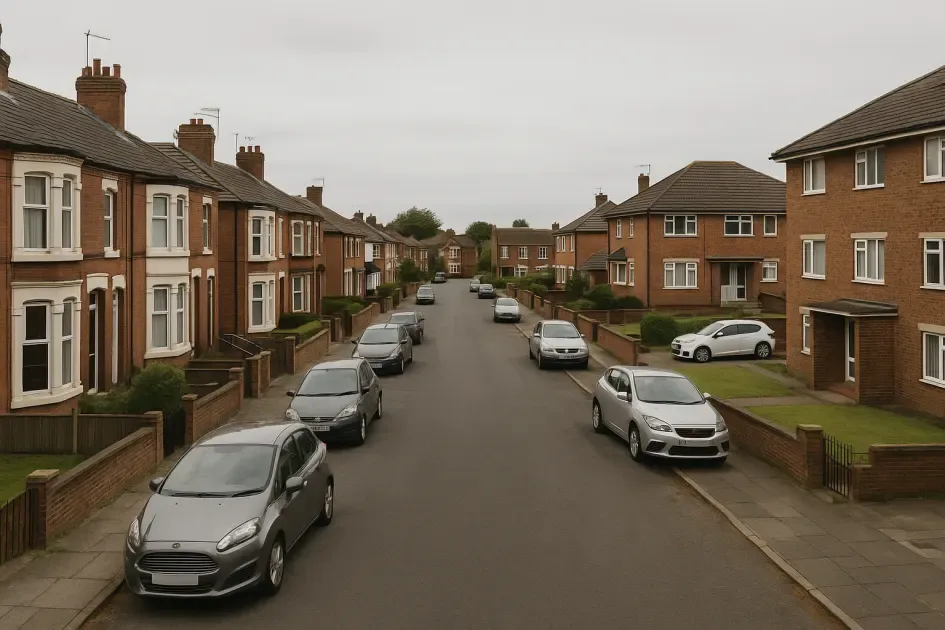
Sefton covers diverse places — Bootle docks and terraced streets, Crosby and Formby coastlines, Southport town centre and newer suburbs like Maghull. Begin by surveying the exact property: note property type (terraced house, flat, semi‑detached, new build), the door and corridor widths, the presence or absence of a lift, the length of any drive or garden to the front door, and whether the street is permit‑controlled.

When you want the main move page rather than general guidance alone, start with removals in Sefton.

For the wider picture across the area, refer to Liverpool area guide.

Practical items to record:

  • Exact street width and whether a large removal vehicle can safely park outside.
  • Lifts — internal dimensions and whether they can be booked or taken out of service on your date.
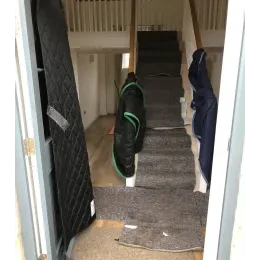
  • Steps, narrow internal staircases and tight turnings likely in older terraces around Bootle and Litherland.
  • Proximity to busier routes such as the A565 in Crosby or A5036 approaching Bootle docks that can affect arrival times.

Record photos of doorways and the street to show to the removal operator or to use when applying for bay suspensions.

You will often need to consider To turn the general guide into a tighter move plan, connect it with moving costs in Sefton and property access challenges in Sefton. at the same time.

Booking timeline — what to do and when

- 6–8 weeks before: confirm the move date once tenancy end or completion is fixed. If moving to or from Southport seafront, avoid bank holiday weekends and known event dates. Check Sefton Council pages for street suspension rules and submit an application for a temporary loading bay at least 7–14 days before the move for streets with parking controls.

- 3–4 weeks before: arrange a site visit or provide detailed photographs and dimensions to the removal planner. For flats, confirm lift availability and its dimensions; for new builds, verify access for large vehicles and turning circles.

- 1–2 weeks before: finalise vehicle size and the number of crew required. Expect to increase crew size for stair carries common in older terraces, and to add time if a vehicle cannot park immediately outside due to narrow roads or cul‑de‑sac layouts.

- 48–72 hours before: re‑check parking suspensions and local events. If moving into Southport, reconfirm that the town centre is clear of markets or seasonal attractions on your date.

Packing considerations that matter in Sefton

Sefton properties create specific packing challenges:

  • Terraced homes (Bootle, Litherland): narrow doors and staircases mean bulky or long items may need partial disassembly. Measure sofas, wardrobes and fitted kitchens against stair turns before moving day and pack delicate items into smaller boxes for easier bench‑packing.
  • Flats in town centres: where lifts are small or absent, use smaller, heavier boxes rather than oversized ones to reduce single‑person strain on stairs; label boxes by floor to prioritise placement on delivery.
  • Semi‑detached and new builds (Maghull, parts of Formby): long driveways or gardens can increase carry distance. Put frequently used items and essentials in an 'immediate access' bag to avoid repeated trips across long external routes.
  • Coastal properties: salt air and damp can affect wrapped items. Use moisture‑resistant covers for furniture stored temporarily on drives during loading.

Move‑day logistics — realistic timings and operational friction

Sefton moves often face a combination of parking restrictions, narrow street geometry and tourist or commercial traffic. Translate those constraints into realistic time and cost impacts:

  • Parking and loading: allow extra time to set up cones or for a council suspension. If a vehicle must park 30–50 metres away due to narrow streets or traffic controls (common in older Bootle terraces and some Formby lanes), add 15–30 minutes per trip for carry time and secure loading.
  • Stair carries and lifts: each flight of narrow stairs can double handling time compared with a ground‑floor loading. For example, a three‑storey terrace with no lift can add 60–90 minutes to loading or unloading compared with a bungalow, and may require more crew.
  • Vehicle positioning: in new estate cul‑de‑sacs the large lorry may not be able to turn; transferring to a smaller vehicle or hand‑carting across front gardens increases labour and time costs. Plan vehicle size against the street layout measured at the pre‑move survey.
  • Traffic and seasonal peaks: Southport and Crosby see increased parking pressure at weekends and summer afternoons. Schedule arrivals for early morning to avoid queues for access and to reduce waiting time where kerbside space is limited.

Area‑specific planning tips for Sefton neighbourhoods

Use the following local considerations when making decisions:

  • Bootle & Litherland: frequent narrow terraces and high street activity near docks. Factor in loading bay permits for commercial areas and allow extra time for narrow doorways and staircases.
  • Crosby & Waterloo: seafront parking and seasonal visitors can restrict kerbside space. If moving near Crosby beach or Marine Lake, book outside peak summer weekends and check for council events that close roads.
  • Formby: some rural lanes and conservation areas mean larger vehicles cannot access properties directly — anticipate long carries across driveways or transfers from a short‑stay loading point.
  • Southport: town centre property density and event programming make advanced parking suspension essential. If moving into parade flats, confirm whether goods lifts can be hired for a reserved slot or whether stair carries will be required.
  • Maghull & newer estates: check turning circles and estate signage for HGV restrictions. A narrow estate road often forces remote parking and hand‑carting; add time to your schedule and confirm labour numbers accordingly.

Where to find more local detail

For a wider look at Liverpool area logistics see the Liverpool area guide at Liverpool area guide. For specific challenges in Sefton property types, the related page property access challenges in Sefton outlines recurring issues such as tight staircases and listed‑building restrictions.

For move organisation and local permission checks consult the Sefton Council website and provide images and measurements to whoever is planning the operation to avoid surprises on the day. For booking logistics and local operational planning see the main Sefton removals page: removals in Sefton.


Frequently asked questions about moving in Sefton

Short, practical answers to common logistical and planning questions specific to moves inside the Sefton borough.

Many streets in Southport town centre, Crosby seafront and parts of Bootle use pay-and-display or residents' parking schemes. For larger removal vehicles you will often need a temporary loading bay suspension from Sefton Council; arrange this at least 7–14 days in advance to avoid fines and to secure kerbside loading space on move day.

Victorian terraces commonly have narrow doors, tight internal staircases and no lift. These constraints increase carry time and labour: expect longer loading windows and higher manual-handling charges because movers must bench-pack items across stairs rather than use a tail-lift or hoist.

Confirm lift size, whether it will be reserved and whether it runs on the day (some blocks have restricted maintenance windows). If the lift is small or absent, factor in stair carries; this impacts both time and the number of operatives required.

Yes. Southport hosts events and summer tourist traffic; parking and town-centre access tighten during bank holidays and Air Show weekends. Crosby seafront and Formby see heavier beach traffic in summer, adding to loading times — plan moves outside peak tourist periods where possible.

New developments often have narrow estate roads and tight turning circles. A large removal lorry may not be able to enter the estate, increasing carry distance and time. Book a vehicle size that can legally and practically access the street or plan a short transfer to a smaller vehicle or hand‑carting across a driveway.

Return to the main service page once the logistics are clear and you are ready to progress the actual booking path. Planning pages should support that step, not compete with it.