Moving in Wirral is shaped by a mix of Victorian terraces, converted flats, semi-detached suburbs and new-build waterfront complexes. Those physical realities drive specific operational frictions — and costs — that aren’t obvious in a quick quote. Read how local property types, parking rules and access constraints translate directly into extra time and expense.
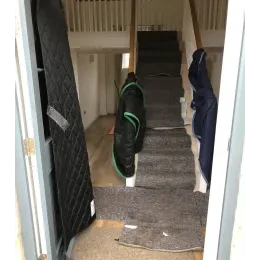
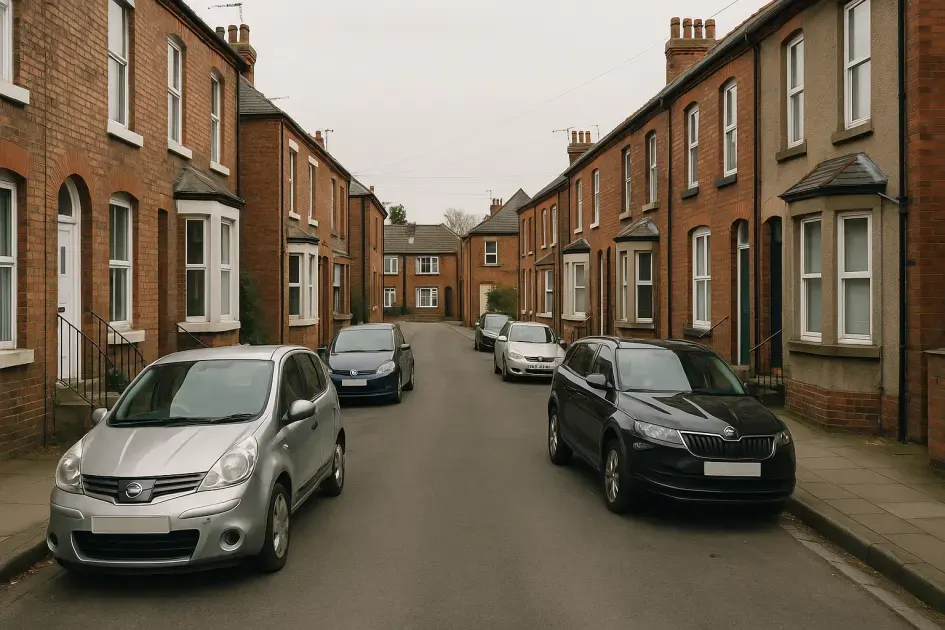
Terraced rows in central Birkenhead and older Wallasey pockets often have narrow pavements, small forecourts and low kerbs. That forces removal crews to carry items by hand instead of using a ramped truck tailboard — carrying increases labour minutes and the risk of delays if an item needs to be dismantled to fit a stairwell or doorway. Converted flats throughout the Wirral peninsula commonly lack freight lifts, so each flight of stairs can add 15–30 minutes of two-person labour per bulky item. Semi-detached houses in suburban Heswall or Prenton typically allow driveway parking, but their garden gates or sloping driveways can prevent a vehicle from boxing in—again lengthening carry distances. New builds at Wirral Waters and some seaside apartment blocks may have strict delivery yard slots and narrow service entrances, requiring pre-booked time windows and sometimes paid access permits for large vehicles.
When you are ready to move from hidden-cost checks to the main move page, start with removals in Wirral.
For a broader regional view, see moving costs in Liverpool.
You will often need to consider This issue is often linked with moving costs in Wirral and property access challenges in Wirral, so reviewing them together usually gives a clearer planning view. at the same time.
Several Wirral towns operate resident parking zones or loading restrictions at certain times of day. For moves near Oxton village or the central Birkenhead conservation areas, a temporary suspension of a parking bay from Wirral Council is often necessary for a removal vehicle to load directly outside the property — that suspension comes with an administrative fee and lead time. If crews park on single yellow lines or obstruct a driveway in New Brighton or on the promenade, local wardens can issue fines which the client is liable for. Operationally, arranging a legal loading bay in advance avoids costly interruptions but adds a predictable, itemised charge to the job.
Waiting time is charged when crews cannot work because of factors beyond immediate control. In the Wirral context this often occurs when a parked vehicle blocks access in narrow streets in Birkenhead, when a scheduled lift in a West Kirby apartment block is unavailable during the booked slot, or when a bay suspension has not been granted in time. Waiting is billed as additional vehicle-hours and labour-hours: every 30-minute delay compounds the total because teams are booked in sequence and subsequent jobs are disrupted. That leads to overtime premiums or the need to add a follow-up trip.
Long carries in Wirral are common where terraces sit behind narrow pavements or where properties are set back behind gardens on hilly streets such as in Heswall. Mechanical aids (trolleys, stair clamps) reduce risk but slow crew throughput. When a removal requires several two-person carries up multiple flights — typical for period conversions on the peninsula — crews either need to extend their booked hours or bill extra labour at an agreed rate. For large homes with heavy items, specialist handling (disassembly/reassembly, protective routeing through narrow corridors) creates additional line items on an invoice.
Peak approach routes on the Wirral — M53 junctions toward Bebington, the A551 through Wallasey, and the A554 in the south — can add unpredictable travel time on collection and delivery days. Localised closures for events on the promenade or roadworks in Birkenhead also force diversion onto narrower streets, increasing loading windows. Because removal crews are scheduled tightly, these delays frequently produce overruns: an overrun may require paying staff overtime, renting extra vehicle-hours, or even splitting a job across days which incurs return-travel and storage costs.
When a move overruns in Wirral — for example, because a stair-only flat in Wallasey took much longer than anticipated — the next job in the crew’s diary is affected. On a peninsula where crews sometimes travel across congested arterial roads, rebooking a half-day window later in the week can mean hiring a different-sized vehicle or adding an evening slot that attracts surcharges. New-build developments and estate-managed sites may refuse night or weekend loading without a paid variance, so an unexpected extension on the day can force a costly reschedule to match the site’s permitted delivery times.
Accurate costing for a Wirral move depends on on-site access checks and realistic allowances for carry distances, stair labour, and parking arrangements. A base quote that assumes kerbside loading and direct access will understate time when the property is a terrace with a long garden path or a converted first-floor flat with no lift. For local guidance see the main Wirral removals overview at removals in Wirral and broader pricing context at moving costs in Liverpool. For details combining Wirral access constraints and cost examples, consult moving costs in Wirral.
In Wirral the main drivers of unexpected charges are concrete: bay suspensions and parking fines, extra crew time for long carries and stairs, delays from local traffic patterns, and the administrative cost of rebooking restricted-access sites. Treat these as operational realities linked to property type and street layout rather than abstract warnings — they determine the time on the job and therefore the final cost.
Answers to frequent questions about how Wirral’s streets, property types and local regulations create operational costs during full-house and office removals.
Waiting charges usually appear when a removal crew is idling because loading or unloading can't proceed. In Wirral this often happens where a vehicle cannot access a property — e.g. narrow streets in parts of Birkenhead or waiting for a parking bay suspension near New Brighton promenade — and crews must stop working while a bay is cleared or a permit is obtained. Each half hour of idle time increases labour and vehicle-hour costs.
Certain residential streets and town centres on Wirral use resident permit zones and loading restrictions, particularly around Oxton, Heswall and parts of Birkenhead. Applying for a temporary bay suspension from Wirral Council or hiring a commercial loading bay can add a fixed fee to the job; failing to secure legal parking risks fines that the customer will need to settle.
Victorian terraces and converted flats in older Wirral neighbourhoods frequently have narrow or stepped frontages, meaning removal crews must wheel trolleys over uneven pavements or carry items through gardens. Longer carries multiply labour minutes and slow down loading cycles — this typically leads to additional labour charges or an uplift in hourly costs for complex carries.
Yes. Many converted period buildings around Birkenhead and Wallasey have steep internal staircases and no service lift; each flight carried requires extra hands and increases risk and time. Similarly, modern apartment blocks at Wirral Waters may have service lifts but limited access windows that constrain loading, generating night-time or weekend surcharges if a specific slot must be booked.
Key approaches such as the M53 junctions, the A551 to the north Wirral towns and congested high streets can produce delays on collection or delivery days — school-run peaks in West Kirby and Heswall are a particular bottleneck. These hold-ups can incur overtime for staff, late-arrival fees or the need to rebook additional vehicle time, all of which increase the final bill.
Because the crew spends more time walking, repositioning and waiting. In Wirral, where factors such as permit-controlled residential streets with short kerb availability near town centres, rail stations and frontage often occupied by resident vehicles, requiring side-street loading on denser terraces, conversions are common, a weak stopping position becomes a tax paid in minutes.