What affects removals costs in Wirral, Liverpool

How removals costs are actually driven in Wirral

Moving across Wirral isn’t the same as moving in Liverpool city centre. Property mix, road layout, parking rules and local operational frictions change how long jobs take and what transport and manpower are required. Below are the real, practical factors that alter price — with Wirral-specific examples so you can plan and budget accurately.

For the core service page, use Wirral removals service first. If you want broader context on pricing patterns across the parent area, see moving costs in Liverpool.

Property type: terraced houses, flats, semis and new builds

Each property type common on the Wirral creates different labour and equipment needs:

In practice, this usually connects with To see where budget drift usually comes from, pair this page with hidden moving costs in Wirral and property access challenges in Wirral..

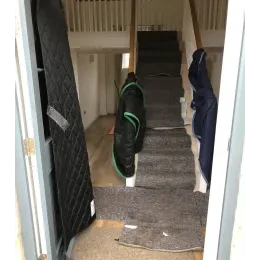
  • Terraced houses (Birkenhead, older Wallasey streets): typically have narrow internal staircases and limited front access. Stair-only carries and tight corners slow loading and often require extra crew to maintain a safe pace, which increases time-based charges.
  • Flats (Liscard, Oxton, central Birkenhead blocks): small service lifts or no lifts mean either long stair carries or multiple lift trips. When buildings have small goods lifts, larger items may need dismantling — that adds both handling time and possible specialist packing costs.
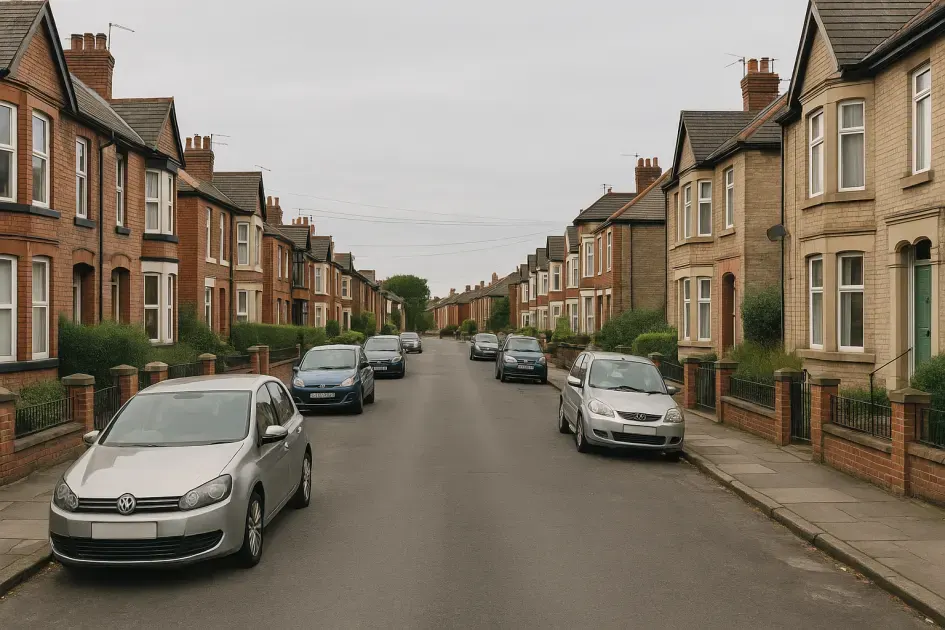
  • Semi-detached homes (Heswall, Moreton, West Kirby suburbs): these often have driveways which reduce carry distance, but cul-de-sacs and narrow approach roads can prevent a large removal truck from parking directly outside, creating an unpredictable extra of time and labour.
  • New builds and waterfront developments (Birkenhead docks/Wirral Waters, modern West Kirby apartments): gated entrances, concierge procedures and tight communal loading bays are common. These require pre-arranged loading windows and sometimes formal booking with the development manager; the delay and administration factor into the final cost.

Access constraints that add real cost

Wirral’s mix of Victorian streets and modern estates creates several location-specific access constraints that change pricing:

  • Parking controls: many Wirral towns operate resident-only bays and controlled parking zones. A suspended bay or temporary loading permit from Wirral Council may be needed to park legally close to properties—these incur fees and advance notice, and arranging them adds planning time.
  • Narrow roads and on-street parking: streets in older Birkenhead and village centres like Hoylake can leave only a small gap for loading vehicles. That pushes the truck off-street, increasing carry distance and loading time — more crew hours or extra trips are common.
  • Lifts and stairs: some Liscard and Oxton blocks have low-capacity lifts that force multiple small loads or stair carries; larger new-build lifts at waterfront blocks may still require booking to avoid conflicts. Every additional lift trip directly increases job time and cost.
  • Event and seasonal restrictions: coastal areas such as New Brighton experience higher footfall and temporary parking controls during summer weekends and events. Those short-term restrictions increase the chance of needing a farther parking spot or a permit, increasing price for weekend moves in season.

Vehicle limitations and their operational implications

Choice of vehicle in Wirral is a trade-off between size and access. Real implications include:

  • Large removal lorries save round trips but cannot always access narrow residential streets or cul-de-sacs. When a large vehicle is blocked from parking nearby, firms will use smaller trucks or make shuttle runs between a legal parking spot and the property — both options extend loading time and cost more per hour.
  • Some modern developments have height-restricted entrances and narrow turning circles. If a standard 7.5T truck cannot enter a gated estate, additional handling and smaller vehicles are required, adding labour and vehicle hire costs.
  • Traffic routes across the Mersey (tunnel approaches) can add to travel time at peak hours. Moves that require crossing to or from Liverpool should factor in possible tunnel congestion which lengthens the working day and increases mileage costs.

Crew size: how Wirral housing affects manpower needs

Crew numbers are chosen to control time on site and maintain safety. In Wirral, expected crew sizes are influenced by:

  • Stair-heavy terraces: properties with multiple floors and narrow stairs (common in Birkenhead) often need an extra pair of hands to keep the job within a reasonable timeframe and to protect fragile items — this pushes up labour cost over a longer, single-day job.
  • Large family semis: a 3-4 bedroom semi in Heswall or West Kirby usually requires 3–4 movers to load within a standard working day. If access issues mean longer carries, an additional person may be added to avoid multi-day work.
  • New-build or constrained sites: where parking must be booked or lift time-slots managed, crews may need to stagger tasks (two people on furniture, one on logistics). That specialised scheduling changes labour rates compared to a straightforward ground-floor load.

Time-based cost increases: season, day and hour effects specific to Wirral

Timing has concrete cost impacts in Wirral:

  • Day of week: Fridays and Saturdays are busiest locally. Demand on those days is higher for both suburban moves (family schedules) and seaside relocations (New Brighton weekenders), so rates and availability tighten.
  • Time of day: early morning starts can reduce commuter and tunnel delays, but they can also collide with resident parking restrictions or loading window rules at new developments. Late finishes are penalised because they extend hourly labour charges and may require overtime pay.
  • Seasonal peaks: school holidays and summer months see extra moves to and from tourist-favourite areas. Expect longer queues for removal slots and higher costs during these periods, particularly for moves involving coastal towns like New Brighton or West Kirby.

Why costs in Wirral differ from other parts of Liverpool

Compared with central Liverpool, Wirral’s removals pricing reflects different operational realities:

  • Property spread and variety: Wirral has a higher share of semi-detached suburban homes and village-style streets where driveways may help but narrow approaches and cul-de-sacs hurt access; Liverpool city centre has denser apartment blocks with commercial loading bays but greater congestion on main roads.
  • Parking and permit landscape: the prevalence of resident bays and smaller streets across Wirral towns makes bay suspensions and permits a common planning item. In many Liverpool zones there are municipal loading bays that can sometimes be used with less lead time.
  • Travel and vehicle routing: moving between Wirral towns or across the river can require longer travel periods and planning around tunnels and peak traffic, increasing mileage and time. In contrast, city-centre moves may involve shorter travel between pickup and drop-off but heavier traffic and stricter delivery windows.

Planning checklist for realistic budgeting in Wirral

  • Identify property type and likely internal constraints (stairs, lift size) and check whether furniture needs partial dismantling.
  • Confirm parking availability outside both properties and ask the local authority about temporary bay suspensions if the street is a controlled zone.
  • Clarify vehicle access at both addresses — narrow streets or gated developments often require smaller trucks or shuttle runs.
  • Choose a weekday and off-peak time where possible to avoid higher weekend and holiday rates; factor in tunnel or peak-route congestion if travelling into or out of Wirral.

For general information about removals across the wider Liverpool area see moving costs in Liverpool. For other local considerations in this borough, refer to the main Wirral removals page at Wirral removals service and the related note on unexpected charges at hidden moving costs in Wirral.

Move size Typical range What usually affects it
Studio / small 1-bed £140–£280 courtyard access and narrow approaches and permit-controlled residential streets with short kerb availability near town centres and rail stations.
1–2 bed flat £260–£480 Carry distance, stair cycles, lift access and van positioning.
2–3 bed home £420–£780 Furniture volume, loading distance, disassembly needs and timing pressure.

Frequently asked questions about removals costs in Wirral

Practical answers to the common cost questions that come up when moving in Wirral — with local detail for Birkenhead, West Kirby, Heswall and other towns.

Birkenhead terraces often have narrow internal staircases and no rear parking. The extra carrying distance and stair carries increase labour time and risk of specialist handling, which raises cost compared with a ground-floor move with direct driveway access.

Yes—purpose-built flats in Liscard and Oxton can have small service lifts or no lift at all. Small lifts or long stair carries mean more handling time and sometimes partial dismantling of furniture, which increases crew hours and therefore the price versus an easy-access semi.

Peak demand days—Friday, Saturday and school holiday Saturdays—push up prices. Morning starts are often busier and may coincide with tunnel or commuter traffic, increasing travel and loading windows and adding to overall cost.

Yes. Controlled parking zones, resident bays and summer event restrictions (for example in New Brighton) can require a bay suspension permit or force a longer carry distance from legally parked vehicles—both add measurable time and cost.

In many cases, yes. A quieter weekday slot can reduce waiting and make access more predictable, especially where factors such as school-run congestion on local distributor routes through bebington, heswall, west kirby and weekday commuter pressure tend to create friction at busier times.

Yes. If the van cannot hold a practical loading position, the crew loses time to extra walking and slower handling. In Wirral, that is especially relevant where factors such as permit-controlled residential streets with short kerb availability near town centres, rail stations and frontage often occupied by resident vehicles, requiring side-street loading on denser terraces, conversions apply.