Packing advice for moves in Wirral

Packing with Wirral property types in mind

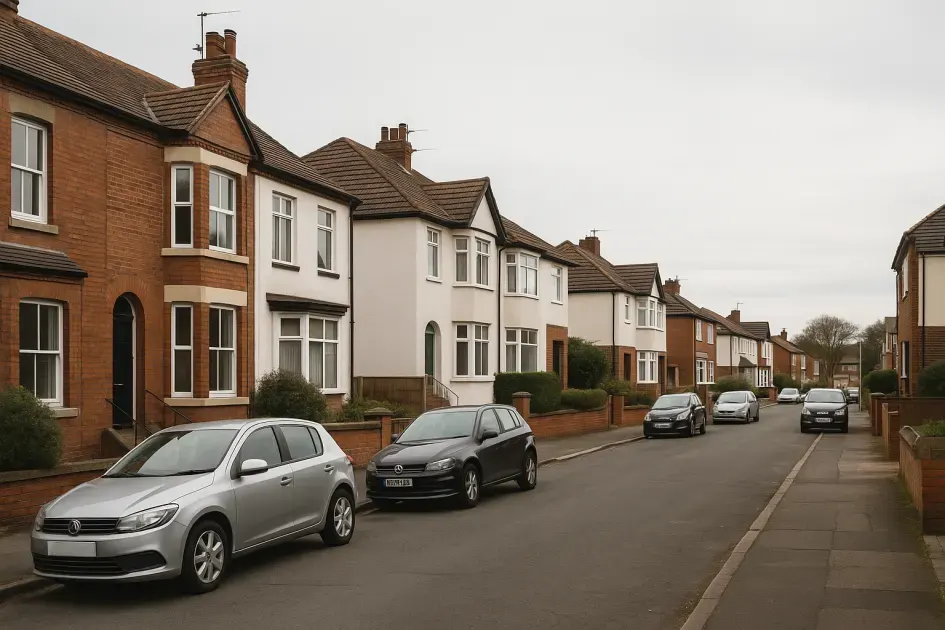
Wirral is patchwork — densely packed terraces in parts of Birkenhead, seaside flats around New Brighton and Wallasey, larger semi‑detached homes in Heswall and West Kirby, and pockets of new builds with driveway access. Each setting changes how you should pack because access and carry patterns directly affect time, risk and cost.

Terraced houses (Birkenhead, Oxton)

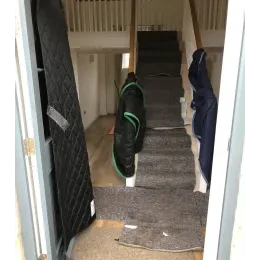
Victorian terraces often have narrow front doors, tight hallways and steep, winding staircases. Use smaller boxes (20–30 litres) that fit on a single tread and can be carried one handed when manoeuvring around bannisters. Label boxes with room and a short description on two adjacent faces so porters can re‑stack quickly on landings. Expect longer carry times: plan extra labour blocks or split loading into more but shorter runs to the vehicle to avoid blockages on staircases.

removals in Wirral is the main booking page for checking availability, pricing and move details in one place, while Liverpool moving timing guide gives the wider regional context.

Flats (purpose‑built and conversions)

Purpose‑built flats in West Kirby may have large service lifts; converted flats in Birkenhead and New Brighton often do not. For flats without lifts, pack by floor and keep the top two flights’ contents in the smallest, lightest boxes to reduce strain. Protect fragile items in padded boxes and consider removing heavy frames or mirrors from walls in advance — tight lift doors and small lift cabins increase handling time and the risk of knocks.

For the next planning step, compare this issue with best time to move in Wirral and moving guide for Wirral so the booking page can stay focused on the actual move rather than duplicate planning detail.

Semi‑detached houses and new builds (Heswall, Hoylake)

Semi‑detached homes typically allow driveway parking, but long garden paths or steps to garages add carry distance. New builds may have wider doors and level thresholds but sometimes have gated access points that limit vehicle positioning. Use larger, stackable boxes for bulky but light items, and reserve disassembly for wardrobes and large beds that won’t fit through stairwells or narrow entrances. Driveway access reduces loading friction and lowers labour time compared with on‑street parking.

Packing for stairs and flats — practical adjustments

Stair carries are the most time‑consuming single element of a Wirral move. Plan packing so that each trip up or down the stairs moves a predictable, balanced load.

Box sizing and weight limits

Use 20–30 litre boxes for flights with frequent turns; mark maximum safe weight (15kg) on each box for stairs. In flats with lifts, place heavier items in pallet‑friendly boxes that are simple to slide into the lift and onto the van ramp, reducing handling time at both ends.

Prioritise an 'access path' pack

Keep a stack of essentials and clear‑path boxes to the front door — these go on first so they are offloaded quickly without blocking corridors. For tenement conversions or flats above shops in Birkenhead, ensure entry halls remain clear so stair carries remain continuous; delays on landings multiply total move time.

Protecting items for longer carry distances

Long carries — across promenades at New Brighton, long driveways in Heswall, or from parked vehicles on narrow Wirral lanes — increase abrasion and risk of water exposure. Protect accordingly to prevent time‑consuming damage control later.

Packing materials and waterproofing

Use padded covers, corner protectors and stretch wrap for furniture. For seaside or exposed sections, add an outer waterproof layer. For delicate antiques often found in older Wirral properties, double‑box with internal blocking to prevent movement during long carries.

Handling aids to speed carries

Furniture skates, two‑person lifting straps and wheeled dollies cut handling time on long distances but require pre‑planning: ensure door thresholds are level and paths are clear. If crossing public promenades, allow for pedestrian flows which can slow a single long carry into multiple short stops — factor this into timing and labour estimates.

Efficient labelling, staging and loading

Labelling in Wirral needs to account for carrying complexity: clear, double‑faced labels and a staging plan will reduce loading bottlenecks and re‑stow time once at the vehicle.

Room, priority and fragility codes

Use a three‑part label: room name, priority (unpack first/last), and fragility level. For terraces where stair landings may become temporary staging points, this lets teams leave ordered stacks that can be reloaded without re‑sorting, saving up to 20–30 minutes per flight in busy moves.

Loading order and vehicle placement

Load the van so boxes bound for restricted delivery points (tight drives, narrow streets) are accessible first — this prevents unloading delays. In areas where parking is limited and the van must park a distance away, expect additional labour time and higher handling costs; grouping items destined for the same final room reduces shuttling between van and property.

Preparing for tight access and awkward loading positions

Many Wirral streets have physical constraints: narrow terraces, low kerbs, and one‑way systems in town centres. Anticipating these reduces last‑minute delays.

Measure doorways and route plan

Measure the widest pieces of furniture and the narrowest doors/stairs before packing so oversized items can be dismantled in advance. Create a route plan inside the property marking tight corners and potential pinch points; label large items with a route number so porters know which path to use on move day.

Local restrictions and timing

Check for event days in seaside towns and market days in Birkenhead that can restrict access. Refer to the Wirral moving timing guide at Liverpool moving timing guide and the local page for move planning in Wirral at removals in Wirral. For seasonal considerations, see advice on best time to move in Wirral.

Real‑world implications for time, cost and planning

Packing choices drive move day outcomes in Wirral. Narrow stairs and long carries increase labour time; impermeable packaging and disassembly take extra prep time but save on return visits for damage repair. Where parking is restricted, expect higher handling charges because each trip from van to property is longer. Planning, early measurements and clear labelling reduce on‑day surprises and keep costs down by minimising rework and stalled loading sequences.

Use the location links above to align packing and scheduling with local access, permit and timing requirements so the move proceeds efficiently across Wirral’s varied streets and properties.


Common packing questions for Wirral moves

Short answers to packing scenarios often encountered in Wirral — from narrow Birkenhead terraces to seaside carries at New Brighton and longer drives in Heswall.

Yes. Flats in converted Victorian buildings around Birkenhead and Oxton often require smaller, sturdier boxes because of narrow stairways and small lifts; semi‑detached homes in Heswall or Hoylake can use larger boxes but plan for heavier items needing disassembly. Smaller boxes reduce carry fatigue on long stair carries and keep loading times predictable.

For seaside moves (New Brighton, Wallasey) or long garden-to-vehicle carries in suburbs like Heswall, use padded furniture covers, tight stretch-wrap and corner protectors, then wrap in waterproof sheeting for exposure. Secure items on skates or with lifting straps to reduce handling damage and speed up carry time.

In town centres (Birkenhead hub, Hoylake high street) and some residential streets, a temporary loading bay or parking suspension through Wirral Council can save significant loading time. Without it, crews may spend extra time ferrying items from kerbside parking, increasing labour time and cost.

Break down large items in advance, pad and label individual parts, and pack heavier items low in boxes. For narrow frontages on terraced streets, keep the first two boxes from each room as 'essentials' so they can be unloaded first into restricted spaces without blocking stairwells.

Expect at least 25–40% more handling time compared with a ground-floor new build: narrow staircases and frequent directional changes slow every carry. This impacts both packing (more small boxes) and loading schedules—plan the move day timetable accordingly.

Use double-walled boxes, acid-free tissue for veneers, and additional internal bracing for older frames common in Wirral houses. If the move crosses exposed promenades or involves unloading in windy, salty conditions, finish with an outer layer of waterproof protection to limit salt corrosion during transit.