What affects removals costs in South Liverpool

What actually drives the cost of a removals job in South Liverpool

South Liverpool is a mixed suburban patch of Liverpool — from Victorian terraces near Lark Lane and Sefton Park to semi-detached homes in Allerton and newer estates around Garston and Speke. Those local differences change how long a move takes and what equipment or crew size is needed. Read on for how each on-the-ground factor in South Liverpool affects time, cost and planning.

Property type: terraced, flats, semi-detached and new builds

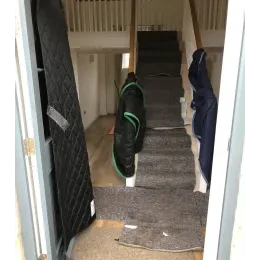
Terraced houses common in Aigburth and parts of Mossley Hill often have narrow doors, tighter corridors and multiple internal stair flights. That increases handling time for bulky items and may require additional padding and manoeuvring, so labour costs rise. Flats in South Liverpool are frequently conversions without lifts; a third-floor walk-up in an old building means repeated stair carries, adding significant hourly charges.
Semi-detached houses in suburbs such as Woolton and Allerton often have wider access and driveways, which can reduce loading time and lower cost. New builds and modern estates (for example pockets in Garston and Speke) tend to allow larger vehicles to park but sometimes place parking bays away from front doors — increasing carry distance. In short, whether a property has stairs, narrow internal routes, or a driveway in South Liverpool directly alters crew time and total price.

For the core service page, use removals in South Liverpool first. If you want broader context on pricing patterns across the parent area, see moving costs in Liverpool.

In practice, this usually connects with To see where budget drift usually comes from, pair this page with hidden moving costs in South Liverpool and property access challenges in South Liverpool..

Access constraints: parking, narrow roads, permits and lifts

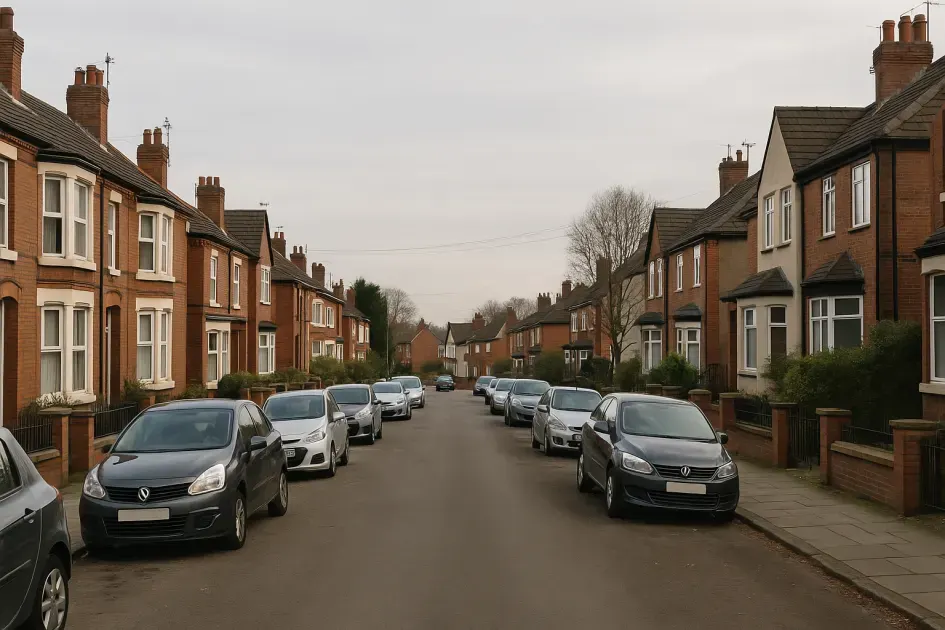
Parking and access are frequently the single biggest practical cost driver in South Liverpool. Streets around Sefton Park, the Lark Lane area and shopping stretches of Allerton can have resident permit zones, short-term bays and busy on-street parking — that forces crews to park further away and shuttle items. When a removal lorry cannot stop at the kerb, each metre of carry multiplies labour minutes and therefore cost.
Some terraces sit on narrow one-way streets or tight crescents where a large vehicle cannot turn; that may require smaller lorries or reversing long distances into a loading position, both of which add time. Flat conversions with no lift are common here, so organisers must allow extra time for stair carries. Where local council bay suspensions or temporary permits are required, those administrative tasks and possible fees also need to be built into the job plan and cost.

Vehicle limitations and shuttle runs in South Liverpool

Large removal lorries are efficient when they can park close to the front door. In many South Liverpool pockets, those vehicles either cannot access the street or would block traffic. That forces a shuttle approach: a smaller vehicle close by, and multiple trips to a larger vehicle parked legally elsewhere. Shuttle runs multiply loading and unloading cycles and increase fuel and labour time. In areas with narrow estate roads or tight turning circles (seen in some newer Garston residential layouts and older terraces near the park), a tailored vehicle plan is necessary — and that tailored logistics adds to the cost compared with an unrestricted kerbside load.

Crew size requirements and operational friction

Crew size for a South Liverpool move is chosen for efficiency against the property’s constraints. A typical three-bedroom semi in Woolton with a driveway might be safely handled by a two- or three-person crew in one working day. A terraced four-bedroom near Lark Lane with bulky furniture and narrow staircases will almost always need an extra pair of hands to stay within a single-day window. Each additional person increases hourly labour costs, but can reduce total hours by speeding loading and unloading — a trade-off that must be calculated during pre-move planning.
Operational friction such as long carries across estates, tight internal manoeuvres, awkward parking, and handling heavy or oversized items (upright pianos, large wardrobes or safes) multiplies both time and risk. In South Liverpool those frictions are common in the older property stock and in estates without direct kerb access; real-world crews price accordingly to allow for the extra handling and protective equipment needed.

Time of day, day of week and seasonal impacts

Moves in South Liverpool are sensitive to timing. Weekends and month-end days are high-demand: crews book up faster and rates can be 10–30% higher. School holidays and summer months also push local demand up because families prefer to move out of term time. Starting early in the morning can reduce parking competition on narrow residential streets and cut loading time; late afternoon or evening starts often lengthen a job because of local traffic and parking pressure around popular areas such as Lark Lane and Allerton Road.
Local events that increase street occupancy (park events at Sefton Park, local festivals) can also restrict parking temporarily — these practical constraints should be checked when planning to avoid unplanned overtime on the day, which directly increases the final cost.

Why South Liverpool pricing differs from other parts of Liverpool

Compared with Liverpool city centre, South Liverpool typically has fewer high-rise apartment blocks with freight lifts but more Victorian terraces and garden-fronted semi-detached houses. City centre moves may have access to loading bays but suffer severe congestion and parking charges; South Liverpool’s suburban streets can be easier to access overall, but the older housing stock and estate layouts increase stair carries and carry distances. Compared with parts of North Liverpool where detached and larger lots are more common, South Liverpool’s mixture of terraces, conversions and estates creates a patchwork of access scenarios — each one changing labour time and vehicle choice.
That patchwork is why two otherwise similar-sized moves can cost very differently in South Liverpool: a move from a semi with a driveway in Woolton will generally take less time and therefore cost less than a move from a third-floor conversion in Aigburth where long stair carries and narrow doors slow every item down.

Planning practicalities and next steps

Because local access and property type are central to cost in South Liverpool, an on-site or virtual survey that inspects parking, stairs, door widths, and estate layout is essential for accurate pricing. When preparing a move in South Liverpool, check nearby parking restrictions early, estimate carry distances from legal parking spots, and allow extra crew time for stair carries and tight manoeuvres. For more detail about removals in this area see the South Liverpool removals overview at removals in South Liverpool, and the city-wide drivers at moving costs in Liverpool. For local hidden charges that sometimes appear on the day, review hidden moving costs in South Liverpool.

Move size Typical range What usually affects it
Studio / small 1-bed £140–£280 tree-lined residential roads with parked cars reducing loading space and turning room and permit-controlled residential streets near sefton park, aigburth and smithdown side roads.
1–2 bed flat £260–£480 Carry distance, stair cycles, lift access and van positioning.
2–3 bed home £420–£780 Furniture volume, loading distance, disassembly needs and timing pressure.

Common cost questions for moves in South Liverpool

Short, practical answers to the most frequent questions about removals pricing in South Liverpool. Each answer reflects local access, property stock and typical operational friction in this part of Liverpool.

Third-floor flats in South Liverpool are often conversions without lifts. Each flight of stairs adds handling time: expect an extra 30–60 minutes for a one-bedroom and 1–2 hours for larger flats. Time translates directly to cost because crews are booked hourly and stair carries slow packing, loading and unloading. Narrow stairwells common in Victorian conversions also mean more crew or specialised handling, increasing labour charges.

Yes. Streets around Sefton Park, Lark Lane and parts of Allerton have resident parking zones and short stretches of double-yellow lines. If a removals vehicle cannot park directly outside, crews must shuttle items between a legally parked lorry and the property; that increases labour hours. If a permit or bay suspension is needed, arranging it in advance adds administration time and sometimes council fees that are passed on.

Not always. New builds in areas such as Garston or Speke often have estate layouts with allocated parking a short walk from the front door. That reduces heavy internal stairs but increases carry distance, which adds time. By contrast, some semi-detached properties in Woolton or Allerton have driveways allowing kerbside loading, which typically lowers total move time.

Weekend slots and end-of-month days in South Liverpool are busier and usually command premium rates because crews are in higher demand. Expect quoted hourly rates to be 10–30% higher on peak weekends or bank holidays, and additional minimum hour bookings to secure a weekend slot.

Large 26ft lorries struggle on narrow residential crescents and tighter Victorian terraces around Lark Lane and Mossley Hill. If a large vehicle cannot access the property safely, removals will use a smaller vehicle plus a shuttle arrangement, which increases total loading time and crew hours — and therefore the cost.

Share the access reality early, confirm where the van can stop, and flag anything unusual about the route inside the property. In South Liverpool, accurate planning is usually the cleanest way to keep the job close to expectation.