What actually affects removals costs in North Liverpool

What drives the cost of a removals job in North Liverpool

Costs in North Liverpool are driven by real, local constraints — not generic factors. The mix of Victorian terraces, converted flats, social-housing blocks and newer estates in areas such as Anfield, Everton, Kirkdale, Walton and Croxteth creates specific operational frictions that add time, labour and permit costs.

When you want the primary move page rather than just cost research, start with North Liverpool removals service, then use moving costs in Liverpool for the wider area view.

Property type: terraces, flats, semi-detached and new builds

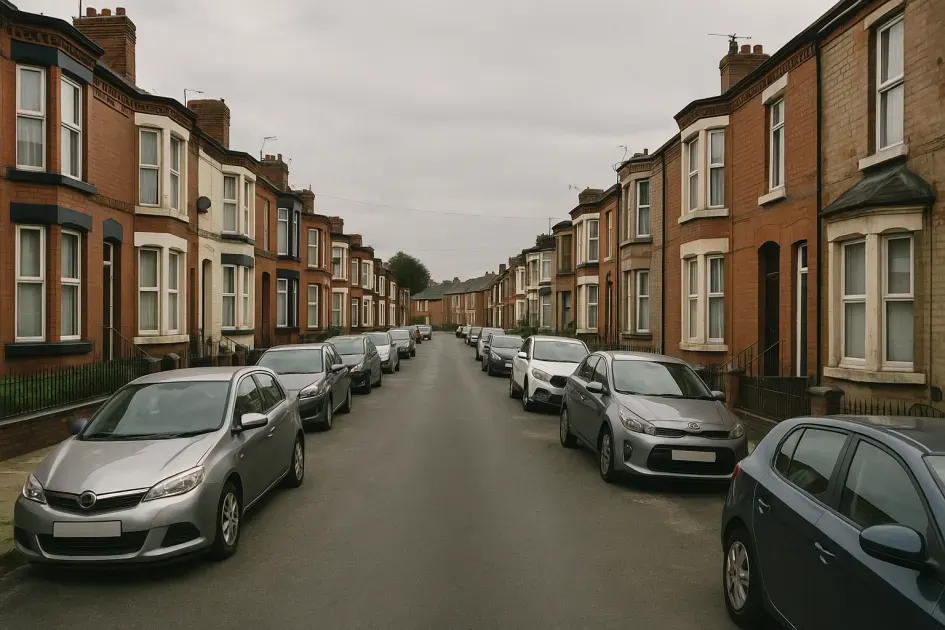
Terraced housing is common across north-side neighbourhoods. Narrow frontages and no off-street parking mean removal vehicles often must park on the opposite side of the street or in a bay several minutes’ walk from the door. That extended carry distance and repeated stair carries in older terraces substantially extend loading/unloading time.

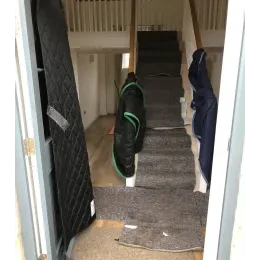
Converted flats (typical in Kirkdale and Everton) tend to have tight communal stairways and landings. Even when a property is a 2nd-floor flat, the width and direction of the stairs determine how quickly bulky items move; tight turns and low ceilings slow down the safe handling and require extra handlers.

You will often need to consider For a fuller cost picture, read this alongside hidden moving costs in North Liverpool and property access challenges in North Liverpool. at the same time.

Semi-detached properties in parts of North Liverpool often have narrow driveways or none at all. New developments may include lifts and service yards, but estate layouts with cul-de-sacs, pedestrian-only approaches or entrance bollards push loading points away from doors and increase shuttle runs.

Access constraints: parking, narrow roads, permits, lifts and stairs

On-street parking is the norm. Many streets are single-lane with cars parked both sides, turning larger removal lorries into impractical options. Where a truck cannot park within 20 metres, crews need more time and more trips to move furniture safely. In locations close to Anfield, the council implements temporary parking restrictions on event days; that can require advance temporary suspension requests for a legal loading area.

Tower blocks and some older council blocks in the north occasionally have unreliable lifts. An out-of-service lift converts a 6th-floor job into multiple extra hours of manual carry. Conversely, modern apartment blocks with roomy service lifts or dedicated loading bays speed the job and reduce labour requirements.

Vehicle limitations and the effect on cost

Large 26ft removal trucks are ideal for long-distance moves but often cannot reach many North Liverpool frontages because of parked cars, narrow turning circles and estate layouts. That forces use of smaller 7.5-ton or 3.5-ton vehicles plus more shuttle runs. More trips translate directly into increased vehicle hours, fuel and driver time on the invoice.

In streets where only small vans can pass, moves that would normally be completed in a single load become multi-leg operations. Each additional leg adds loading/unloading time and increases the chance of traffic delays on busy local arteries such as Walton Road and around County Road shopping areas, further increasing costs compared with areas of Liverpool where driveways and wider roads let a large truck be parked at the property door.

Crew size and operational friction

Crew requirements in North Liverpool are determined by access and carry complexity more than by the number of rooms. A compact terraced 3-bed with long external carries and narrow stairs may need an extra pair of hands to keep the job safe and on schedule. That additional labour adds hourly cost.

High-rise flats with service lifts may require fewer crew for handling but need a loading/unloading coordinator to manage lift usage windows. Where furniture hoists are necessary because stairs and lifts are impractical, hiring and positioning equipment (and any associated parking suspensions) increases the cost and planning time.

Time-based cost increases: day of week, time of day and special events

Timing matters in North Liverpool. Weekends and bank-holiday dates are busier across the city and attract premium rates; in this area, Saturday moves can collide with local markets, school runs and community events that make parking and traffic unpredictably worse.

Match days at Anfield are the clearest local example. Streets close to the stadium are subject to increased enforcement, temporary suspensions and heavy pedestrian flows before and after kick-off. These conditions delay load/unload windows and often require rescheduling or longer crew hours to work around restricted access, directly raising costs for moves scheduled on those dates.

Daily timing matters too: early-morning starts can avoid commuter and school-run congestion, but some crews charge for early starts; mid-day moves risk wardens enforcing single yellow lines and parking bay suspensions, which can cause delays and extra fees if legal loading space is unavailable.

Real-world cost implications and comparisons with other parts of Liverpool

Compared with suburbs with wider roads and private driveways, North Liverpool removals commonly require more labour hours, smaller vehicles with extra shuttle runs, and sometimes paid permits or temporary suspensions for loading space. All of these add up: the same-size property can cost noticeably more here than in parts of south Liverpool where houses have drives and larger trucks can load directly from property curtilage.

Conversely, if a North Liverpool property has a modern service yard, a reliable lift and legal kerbside loading, costs can be close to city averages. The key driver is how accessible the front door is to a legally parked removal vehicle and whether repeated stair or long-carry operations are needed.

Practical planning actions that affect price

  • Identify whether the street is permit-controlled or within an event-prone zone (close to Anfield) and allow time for council loading-suspension applications where necessary.
  • Confirm lift availability and dimensions for flats in converted terraces and tower blocks; an out-of-service lift on move-day usually increases labour time and therefore cost dramatically.
  • Check estate layouts on new-builds for bollards, gated access or cul-de-sacs that prevent large vehicles from getting close to the door; expect shuttle runs if so.
  • Plan moves outside known peak local times (match days, school runs) to avoid surcharges and delays.

For more general information about removals across Liverpool see moving costs in Liverpool. For specifics about booking and local quirks in North Liverpool, including practical considerations for parking and permits, see North Liverpool removals service and the related note on extra fees at hidden moving costs in North Liverpool.

Move size Typical range What usually affects it
Studio / small 1-bed £140–£280 permit-controlled terrace streets with limited stopping room directly outside the property and residential permit bays and short kerb lengths on dense terrace streets often require side-street loading.
1–2 bed flat £260–£480 Carry distance, stair cycles, lift access and van positioning.
2–3 bed home £420–£780 Furniture volume, loading distance, disassembly needs and timing pressure.

Frequently asked questions about moving costs in North Liverpool

Short answers to common cost questions specific to North Liverpool (Anfield, Everton, Kirkdale, Walton) — parking, lifts, match days and crew sizing.

Victorian terraces around Everton and parts of Kirkdale usually have no off-street parking and narrow pavements. Removals trucks often cannot park immediately outside, creating long carry distances from vehicle to door. Each additional 10–20 metres of carry, multiple stair runs and tight manoeuvres add labour time and therefore cost; for a typical 3-bed terrace expect the crew time to be 25–40% higher than a property with driveway access.

Yes. Match days (home fixtures at Anfield) create road closures, parking suspensions and heavy traffic in nearby streets (Anfield, Walton, parts of Everton). These conditions increase travel time, may prevent large vehicles reaching the property and can require later start times or extra crew for longer carries — all of which raise the job cost or require rescheduling to avoid surcharges.

Many converted flats in North Liverpool have narrow staircases; purpose-built blocks vary widely. If a lift is present but small or out of service, moves take longer and need extra handlers. Upper-floor flats without lifts commonly require more personnel and extra time — expect hourly increases compared with a ground-floor flat. If a lift is available and reliable (e.g. modern blocks on new-build estates), costs drop because loading is faster and fewer crew hours are required.

Controlled Parking Zones and resident permit areas exist across North Liverpool. For long loading periods a temporary suspension of parking bays or a loading bay permit from Liverpool City Council may be necessary; there is an application lead time and a fee. If organisers cannot secure legal loading space, movers spend extra time finding legal parking or making additional short trips, increasing labour and vehicle hours charged.

New builds on the outskirts (recent developments near Croxteth and Everton Park areas) have modern lifts but often restrict vehicle access with narrow estate roads, bollards, or cul-de-sacs that prevent large Luton trucks from turning close to front doors. That forces use of smaller vehicles and more shuttle runs, or hiring additional crew to move items further — both options increase total cost relative to a directly accessible semi with a driveway.

Share the access reality early, confirm where the van can stop, and flag anything unusual about the route inside the property. In North Liverpool, accurate planning is usually the cleanest way to keep the job close to expectation.