Sefton covers a varied patch of coastal and suburban ground — from Southport's Victorian terraces and waterfront apartments, through Crosby and Formby's tree-lined avenues, to Bootle and Maghull's denser residential streets. Each neighbourhood presents specific physical constraints that directly affect how long a removal takes, how many people are needed and whether additional permissions or equipment are required. See the local overview at removals in Sefton and the detailed access considerations at access and property guide for Liverpool.
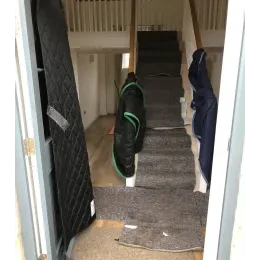
Many of Sefton's terraces — particularly in Bootle, Litherland and parts of Southport — are older, Victorian-built rows with shallow front gardens, narrow doorways and confined hallways. The combination of narrow internal dimensions and steep timber staircases increases handling complexity for bulky items such as wardrobes and upright pianos. Real-world implications include longer carry times up steep flights, the possible need to dismantle large items on site, and extra protective materials to avoid damage to original plasterwork and bannisters. These factors push up labour hours and can necessitate more movers than a straightforward ground-floor swap.
removals in Sefton is the main booking page for checking availability, pricing and move details in one place, while access and property guide for Liverpool gives broader regional context on property and access conditions.
Sefton has a mixture of coastal blocks (Southport promenade and Crosby), 1960s–70s low-rise flats, and newer apartment schemes. Lift size and access are unpredictable: some lifts are too small for sofas or fridges, some blocks impose strict moving windows or require advance booking of service lifts, and others have narrow communal corridors that act as bottlenecks. For ground-floor maisonettes you may face external steps or limited pavement space. Practically, a removal that appears straightforward on paper can take considerably longer when lifts are booked, out of service, or when corridor manoeuvres require extra padding and protection.
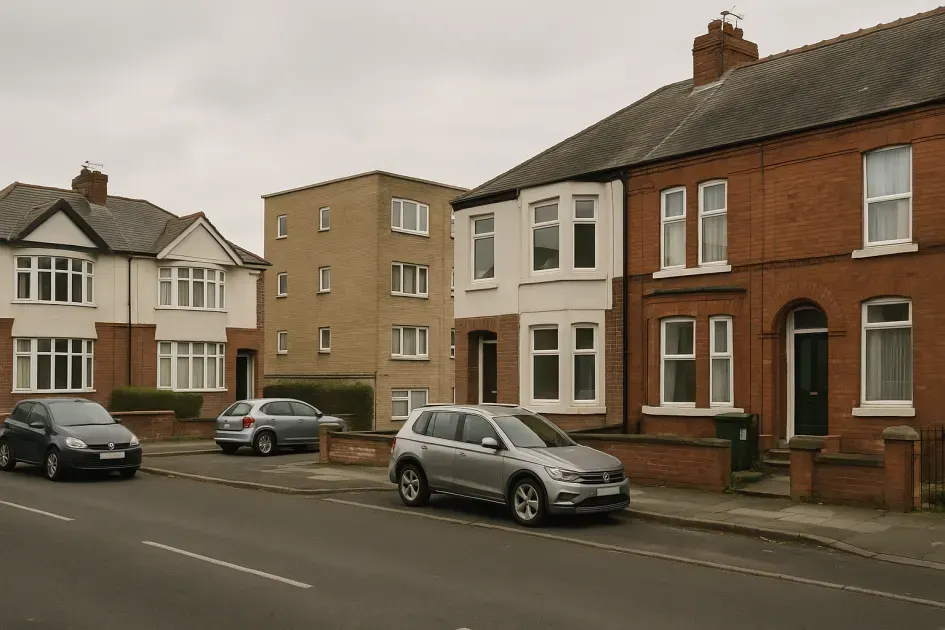
Many residential streets in Crosby, Churchtown and older parts of Sefton have parked cars on both sides, restricted-width lanes and permit parking. Large removal vehicles cannot always pull up outside the property. When kerbside space is limited, teams must park further away and shuttle goods by trolley across pavements — increasing the carry distance and loading time. In places with marked bays, a temporary parking suspension from Sefton Council is typically required to lawfully reserve space for a lorry; arranging a suspension takes time, incurs a charge and should be booked well ahead of the moving date.
Access issues usually sit alongside other planning points, so this page with moving guide for Sefton and hidden moving costs in Sefton.
Formby, Ainsdale and parts of Maghull have more suburban plots, with front drives and wider roads that can significantly reduce carrying distances if driveways are usable. By contrast, dense pockets around Bootle and parts of Southport have terraced streets where the nearest legal parking spot may be a street away. Suburban moves can still be slowed by long driveways that require vehicle turning or ground protection for lawns and paved areas. In dense areas the main friction is human traffic and tight internal routes; in suburbs it's vehicle positioning and drive surface protection.
New-build estates in Maghull, Netherton and some Southport developments feature cul-de-sacs, narrow estate roads and limited verge space. While internal layouts may favour larger doorways, external access can prevent large lorries reaching the front door — forcing offloading at the nearest main road and increasing manual carry. Older properties, by contrast, often have awkward internal staircases, low door heights and historic finishes that demand more time for careful manoeuvring and protection. The practical result is that new-build moves may incur extra shuttling time; older homes generally require slower, more careful handling.
Across Sefton the most common sources of delay are increased carry distance from parked vehicle to property, flights of stairs in terraces and maisonettes, lift restrictions in apartment blocks, and the need to arrange parking suspensions or permits. Each extra 10–20 metres of carry, and each flight of stairs, typically adds measurable time to a job — and multiplied across dozens of items this can change a half-day move into a full day. Similarly, waiting to gain access to a locked communal entrance or arranging a Sefton Council parking suspension can add planning time and cost.
Practical steps to reduce friction in Sefton include early checks on parking and access restrictions, assessing lift sizes and stair geometry at flats, and planning for on-street shuttling where cul-de-sacs or permit zones block direct vehicle access. For detailed practical advice tailored to Sefton properties see moving guide for Sefton. Accurate on-site measurements of doors, stair widths and drive access ahead of the move prevent surprises on the day and allow correct vehicle and crew allocation, which in turn minimises unexpected time and cost overruns.
Practical answers to common property and access problems encountered by removal teams working across Sefton, including terraced houses, flats, narrow roads and new-build estates.
Many roads in Southport, Crosby and Bootle have parking bays or permit zones that block a large removals lorry. Booking a temporary suspension with Sefton Council is often necessary for kerbside loading and can take several working days and a fee, so arrange it early to avoid delays on moving day.
Victorian terraces in parts of Bootle and Litherland commonly have narrow halls, steep stairs and small garden clearances, which increase carrying times and require more protective handling. Expect additional labour time per item and possible need for specialist manoeuvres for bulky furniture.
Older maisonettes and mid-century flats often have small communal corridors and staircases; some coastal apartments in Southport and Crosby have lifts whose dimensions or booking rules limit large items. Lift unreliability or locked communal entrances can add waiting and coordination time on the day.
Many new-build estates in Maghull, Netherton and around Formby use narrow estate roads and cul-de-sacs designed for cars, not large vehicles. If a 7.5t or larger lorry cannot turn or park, removals teams must shuttle items from a safe curbside point, increasing labour time and cost.
Semi-detached homes in Formby often have long driveways and garden access which can reduce carry distance but may require vehicle access planning for turning and ground protection. Driveways can make loading quicker if clear and usable, but neighbours’ parking and dropped kerbs still need checking.
Yes. Lofts, garages and secondary storage areas spread the inventory across more space, which lengthens the loading phase even when the property looks manageable from the front door.