South Liverpool removals — practical step‑by‑step moving guide

Overview: South Liverpool — what to expect physically

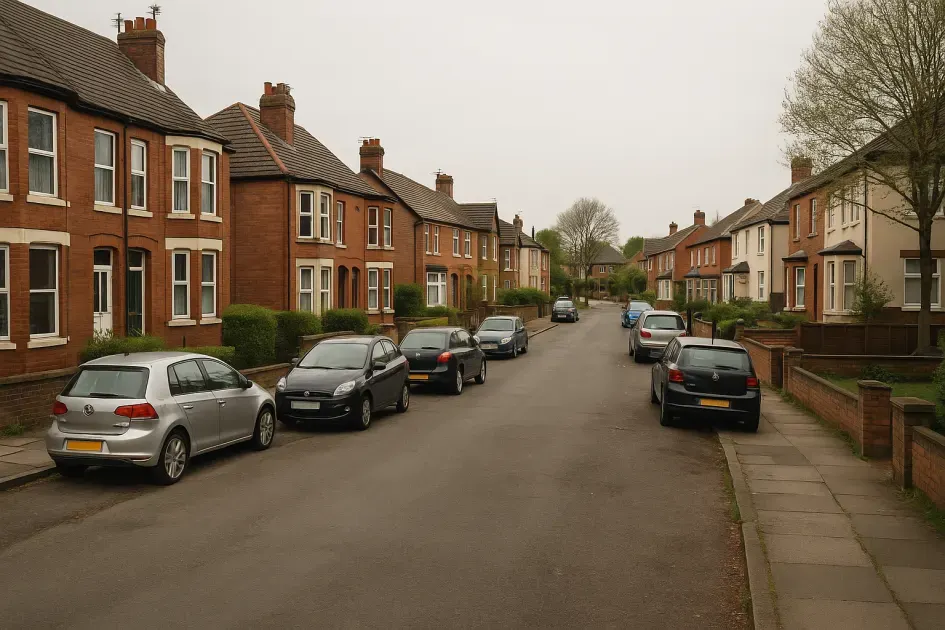
South Liverpool covers a mix of residential types and street layouts — from tight Victorian terraces around Smithdown and Toxteth to semi‑detached homes in Allerton and Woolton, student‑dense terraces around Mossley Hill and modern pocket new builds off Aigburth Road and in parts of Speke. That variety directly affects vehicle access, carry distances and the time it takes to complete a full home or office move.

When you want the main move page rather than general guidance alone, start with removals in South Liverpool.

For the wider picture across the area, refer to Liverpool area guide.

You will often need to consider To turn the general guide into a tighter move plan, connect it with moving costs in South Liverpool and property access challenges in South Liverpool. at the same time.

Property types and their moving realities

Terraced houses: many terraces have narrow frontage, raised stone steps and small forecourts. Long internal corridors and narrow doorways in Victorian builds mean large items often require angled carries or partial disassembly. Rear alley access (ginnels) exists on some streets and can shorten carry distances if unlocked in advance.

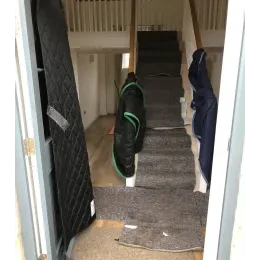
Flats: converted Victorian flats typically rely on communal staircases. These staircases are often steep and tight; expect slower carry times and the need to protect communal areas. Purpose‑built blocks vary — some have goods lifts, others only passenger lifts with weight/size limits. Confirm lift dimensions and booking windows with block managers.

Semi‑detached houses: generally easier to access with driveways and wider doorways, but many South Liverpool semi‑detached properties still sit on narrow streets where parking is stretched at peak times.

New builds: newer estates can have restricted visitor bays, narrow turning circles and partially finished paving that limits where large removal vehicles can turn or park. Estate management teams sometimes require notification of large vehicle access.

Step 1 — Pre‑move preparation (location‑specific)

Survey the route on foot

Walk the route from the legal parking point to each entrance at both properties. On streets such as Lark Lane, Aigburth Road and around Sefton Park, note dropped kerbs, double kerb sections and any loading restrictions that increase carry distance. Identify rear access ginnels in terraces — unlocking these can cut carry time considerably.

Check building access and lift dimensions

For flats in converted buildings around Mossley Hill or university areas, measure every doorway, stair width and lift car (if present). Some passenger lifts on older blocks limit size and weight; a large wardrobe that fits into a semi‑detached front door may not fit a flat lift. Obtain permission from freeholders or managing agents to use service lifts during the move.

Parking, permits and council requirements

Identify if the street is in a Controlled Parking Zone. In South Liverpool, many residential roads require a permit or a temporary suspension to create a legal loading bay. Apply to Liverpool City Council early — if a suspension is required, allow at least one week for processing. Without a suspension, crew time can be wasted moving vehicles to avoid enforcement or finding distant legal parking.

Step 2 — Booking timeline (realistic timing for South Liverpool)

Suggested lead times

High demand pockets (weekends, end of month, student move‑out periods around June and September): reserve 4–6 weeks ahead. Moderate demand weekdays and quieter months: 2–3 weeks may suffice. If you need a loading bay suspension or estate approval, add an extra 7–10 working days to the schedule.

Estimate crew and vehicle time

Build realistic allowances into booking: add 30–90 minutes for each floor accessed by stairs (typical for Victorian terraces and some flats), 15–30 minutes for setting up protective materials in communal areas, and an extra 30–60 minutes if the vehicle must be parked away from the property. For moves near Sefton Park or Lark Lane during events, plan for an additional 25% time contingency to handle pedestrian congestion and traffic control.

Step 3 — Packing considerations (for South Liverpool carries)

Packing for long carries and stairs

When moves involve long carries — down ginnels, across front gardens with cobbled or uneven paths, or up multiple stair flights — pack fragile and heavy items separately. Use smaller boxes for items that will be carried by hand up narrow flights. For antiques or pianos, measure door and stair widths in advance and plan for disassembly where necessary.

Label routes and priority boxes

Label boxes with the floor and room, and mark anything that must be carried via the rear alley versus the front door. In student‑dense streets off Smithdown Road, clearly label boxes for rapid walk‑up or collection if the property has shared communal areas to avoid blocking stairwells.

Step 4 — Move‑day logistics (practical operational steps)

Early arrival and site setup

Arrive early to confirm parking suspensions are in place and to place protective runners in communal halls or staircases. If using a rear alley, unlock gates and place rubbish/recycling out of the way ahead of the vehicle arrival. In narrow streets, use traffic cones and temporary signage to protect the loading zone.

Managing carry distances and stair usage

Plan carries in stages: move bulky items first to clear circulation space, then boxed items. On properties with tight front steps or low ceilings, expect the crew to spend more time manoeuvring — add 15–30 additional minutes per unusually tight item. If a lift is available in a flat block, check for size limits and book a 15–30 minute lift window for bulky pieces to avoid blocking residents.

Local traffic and timing considerations

Avoid starting large carries during school drop‑off/pick‑up times on streets near local schools in Allerton and Garston; traffic and double‑parked cars slow loading. Weekend markets or football match days can severely restrict access near major routes — check event calendars for Sefton Park and nearby venues when finalising the move date.

Step 5 — Area‑specific planning tips

Aigburth and Mossley Hill

Aigburth Road and surrounding neighbourhoods have busy traffic flows; narrow terraces and on‑street parking make it important to secure a loading bay. For Mossley Hill student areas, coordinate timing with academic term dates to avoid peak demand and householder congestion.

Lark Lane and Sefton Park

High pedestrian volumes and weekend traders mean moves here benefit from early midweek slots. If moving on a weekend, book additional time to navigate crowds and consider a larger crew to reduce the number of carrying trips.

Allerton, Woolton and semi‑detached suburbs

Semi‑detached streets often have drives but limited turning room for large vehicles. Confirm the vehicle turning requirements with the estate layout and ask about temporary use of neighbouring driveways or permits for verge parking if necessary.

Speke and industrial/residential fringes

Speke’s industrial roads are truck‑friendly but residential pockets can be tucked behind service roads. Expect longer internal routes from the legal parking point; plan for crew stamina and break points during lengthy carries, and ensure children/pet safety in properties close to busy industrial roads.

When to consult the local guidance

For detailed local road, permit and disruption information see the South Liverpool removals overview at removals in South Liverpool and the wider Liverpool area planning notes at Liverpool area guide. If your property has known layout difficulties, review specific challenges at property access challenges in South Liverpool.

Final checklist for South Liverpool moves

  • Walk the parking-to-door route at both properties and note carry distances and stairs.
  • Measure doorways, stair widths and any lifts; confirm lift booking with block managers.
  • Apply for Liverpool City Council parking suspensions or permits at least one week before the move.
  • Schedule moves to avoid local events, school runs and peak student move periods where possible.
  • Plan extra time per flight of stairs and for pedestrian congestion around parks and shopping areas.

Using these South Liverpool‑specific steps will help translate an abstract move plan into a realistic timeline and budget that accounts for access, carry distance and the physical constraints of local property types.


Common questions about moving in South Liverpool

Answers to the most frequent, practical questions people have when planning a full house or office move in South Liverpool — including parking permits, stairs, lifts and realistic timelines.

For weekends or month‑end moves in popular neighbourhoods such as Aigburth, Mossley Hill or Allerton, book 4–6 weeks ahead. For weekday moves or off‑peak slots you may secure a date 2–3 weeks out. If you need a parking suspension from Liverpool City Council, apply 7–10 working days before the move to avoid delays.

If the street has a residents' permit zone, narrow kerbs or normally busy parking (Lark Lane, near Sefton Park on match/event days), a short‑term suspension (bay closure) is commonly required. Permits reduce the risk of fines and give a predictable loading window; plan for the administrative lead time when estimating total move cost and schedule.

Victorian terraces often have narrow doorways, high external steps and long front gardens or rear alleyways. Converted flats typically use communal staircases with tight turns and low headroom. These conditions increase carry time — factor an extra 30–90 minutes per flight of stairs or per 10–20 metres of carry — and may require furniture disassembly.

New build estates (pocket developments off Aigburth Road, parts of Speke and Woolton) tend to have narrow estate roads and restricted visitor parking. Although access for large vehicles can be better than old terraces, parking spaces are limited; expect additional carry distance from a legal parking spot and allow time for parking enforcement checks.

Sefton Park and Lark Lane attract high pedestrian traffic, weekend markets and events. Moves during event days increase loading delays, require more careful traffic management and can push total job time up by 25%–40% compared with a quiet weekday.

Return to the main service page once the logistics are clear and you are ready to progress the actual booking path. Planning pages should support that step, not compete with it.