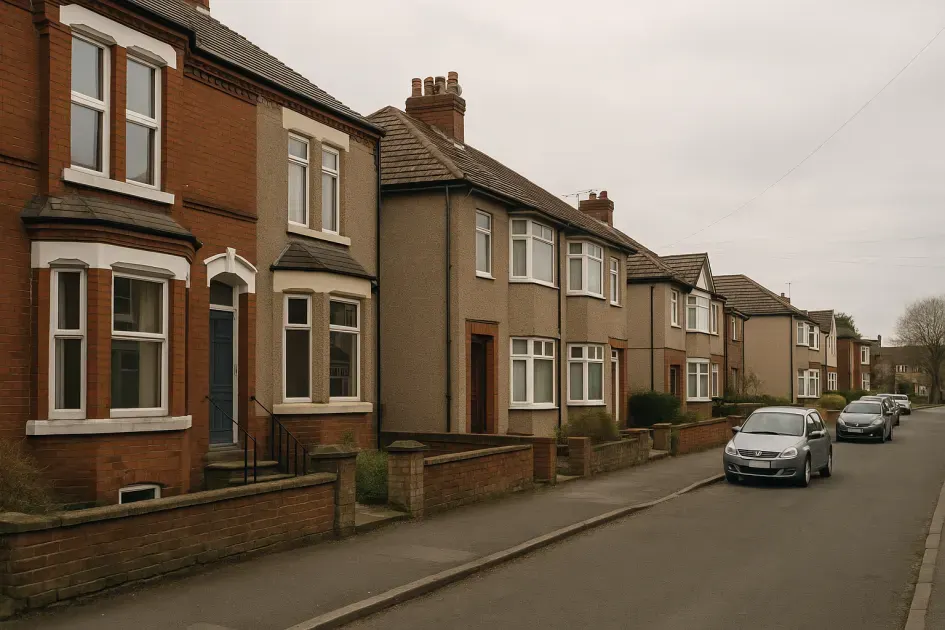
Wirral covers a mix of Victorian-era town terraces, converted town-house flats, semi-detached suburban streets and modern housing estates. These differences are not academic: building types and street layout directly shape how long a move takes, what equipment is needed and which permissions, if any, must be arranged.
Many terraces in Birkenhead and older rows in New Brighton date from the late 19th and early 20th centuries. They frequently have narrow frontages, no front drive or pavement set-back, and compact internal staircases. Practical implications include:
When you need the main move page rather than property detail alone, start with removals in Wirral and use access and property guide for Liverpool for the broader regional picture.
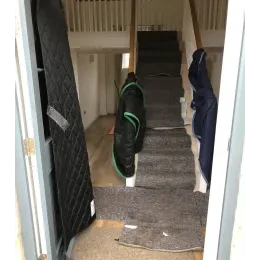
Converted Victorian houses and older purpose-built flats on the Wirral typically have narrow communal stairwells or no lift at all. Specific consequences include:
Wirral’s road network ranges from broad coastal promenades to tight terraced streets and narrow lanes in hillier suburbs. Local realities:
You will often need to consider For the problems that tend to appear with awkward access, look at moving guide for Wirral and hidden moving costs in Wirral too. at the same time.
Wirral’s suburban towns such as Heswall, Hoylake and West Kirby present different operational conditions compared with dense areas like parts of Birkenhead or New Brighton:
New build developments on the Wirral (for example newer estates around Heswall and expanding suburban pockets) often provide conveniences that older housing lacks, but there are caveats:
Every physical constraint translates into time and cost impacts:
Effective planning considers local specifics. Useful actions include checking whether a property is on a narrow terraced street in Birkenhead, confirming lift availability and block rules for flats in Oxton, and contacting estate managers for new developments in Heswall or Hoylake. For general guidance on access types across Liverpool and surrounding areas see access and property guide for Liverpool. For more detail on moving in Wirral, including local tips for timing and parking, see moving guide for Wirral and the main Wirral removals page at removals in Wirral.
Recognising the specific building types and street patterns in the Wirral will set realistic expectations for how long a move will take, what protective measures and equipment are necessary, and which external permissions or bookings must be made before the day. Planning around these physical realities avoids last-minute delays and reduces the risk of unexpected additional time or cost.
Practical answers to common questions about access, stairs, parking and time implications when moving within Wirral. Each answer reflects local street layouts, building types and council restrictions.
Victorian terraces in parts of Birkenhead often have narrow hallways and steep, compact staircases. These constraints increase handling time: expect an extra 30–90 minutes for every large item that needs negotiating through tight turns or up multiple flights, and longer if furniture must be taken apart to fit narrow doors.
Many converted flats in Oxton and Prenton are in older houses without lifts and with narrow communal landings. Carry distances from street to flat entrance can be 15–40 metres and involve several stair flights; both add labour time and a higher risk of requiring protective wrapping or partial dismantling of large items.
Yes. Town centres such as Wallasey and New Brighton have short-term loading bays and CPZs enforced by Wirral Council. Narrow residential streets in inner Birkenhead and some historic coastal lanes may have no kerbside space for a large removal vehicle, increasing carry distance and loading time.
New builds in suburban areas like Heswall and parts of Hoylake can have wider staircases, lifts and integrated parking, which helps. However, new estates sometimes have narrow estate roads, unmarked visitor bays and estate management rules requiring booking or temporary access permits, which can delay vehicle access on moving day.
Locations on the Wirral peninsular such as West Kirby and Hoylake are well-served by local roads but can be busier on weekends and bank holidays. Peak periods can extend transit and loading times; consider scheduling midweek and checking local parking restrictions to avoid penalties and delays.
Measure doorway widths, stair turns, lift dimensions where relevant, and the real path from the furthest loaded room to the van position.