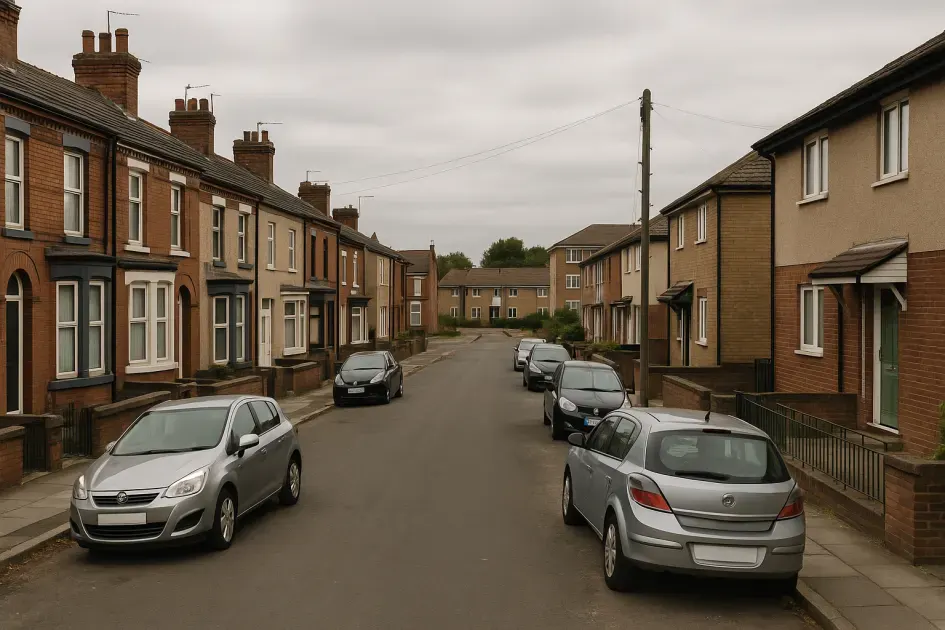
North Liverpool covers neighbourhoods such as Anfield, Walton, Kirkdale, Everton and Tuebrook. The area mixes Victorian terraces, converted flats, council estates with lifts and pockets of new-build developments near the docks. That mix shapes how a move actually runs: narrow streets, unpredictable parking, frequent back-lane access and, around Anfield, matchday restrictions that can completely change where a removal vehicle can stop.
Measure doorways, stair widths and lift dimensions. In terrace conversions in Kirkdale or Everton, typical internal doors and hallways are narrower than modern standards; a standard sofa could need disassembly. Photograph proposed parking spots and the routes from kerb to door — note alley gates, shared passages and steep inclines (Everton Brow has sections where heavy items take more time to manoeuvre).
Use North Liverpool removals service first for the core service page when you want the clearest next step from general guidance to booking.
For the wider picture across the area, refer to Liverpool area guide.
In practice, this usually connects with This overview works best when read alongside moving costs in North Liverpool and property access challenges in North Liverpool..
If moving from or into a block, get the lift dimensions, capacity and any booking rules from the building manager or housing association. Many lifts in council blocks allow only small loads and require a booking window so you cannot rely on unrestricted use on move day.
For terraces with rear yard access via back lanes, confirm whether the lane is suitable for wheeled dollies or if carry is on foot between parked vehicle and property. New builds near the docks may offer gated loading bays but could require estate management permission — check early.
Lock in large removals vehicles and a multi-person crew if you have a full house or a lot of heavy items. If your move could be affected by an Anfield fixture, decide on alternative dates now.
Apply for temporary parking suspensions or loading bay permits through Liverpool City Council for restricted streets where a yellow line or resident bays will prevent kerbside loading. Arrange lift bookings with building managers for both current and new flats and reserve any waste removal or storage if you need short-term staging.
Confirm parking layouts, final measurements and any access arrangements with whoever manages your road (private estate managers are common around new-build clusters). Print floor plans or labels that mark heavy items and tight routes so everyone understands carry requirements.
Terraced houses commonly have low ceilings and tight stair turns. Disassemble beds, wardrobes and large sofas the week before so they can be carried through narrow corridors without causing delays on the day.
Use robust covers for furniture moved along metal gates, brick alleys and narrow pavement edges. If an item must be carried between a parked vehicle on a main road and a back yard through a shared passage, wrap items against brickwork abrasion.
On streets where vehicles cannot get close, plan for a staged carry: boxes packed so lighter items go first and heavy ones are palletised or placed on wheeled trolleys. Label boxes with room names and handling notes so runs are efficient in tight staircases.
Begin before peak traffic (often present on Walton Road and County Road) to avoid prolonged queuing. Factor an extra 1–3 hours into the schedule for terraces and flat moves involving stairs or lift bookings; long carries and security checks at blocks routinely extend loading time.
Confirm where the vehicle will legally and safely stop. In narrow residential streets large vans may need to stop on a nearby main road and shuttle items. If you arranged a temporary suspension of parking bays, display the permit and double-check signage to avoid fines or delays from enforcement officers.
On Anfield matchdays roads are congested, enforcement is stricter and some streets are closed for spectator flows. If your move coincides with a fixture, expect diverted vehicle routes, limited parking and crowds that lengthen carry times — rescheduling to the following weekday morning is often the most practical option.
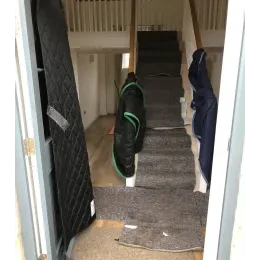
When using a lift, stage the largest items in time slots to avoid blocking other residents. For narrow staircases, designate a ‘spotter’ to protect walls and railings — scuffs and damage will slow progress and may add costs if repairs are needed.
Avoid moving on matchdays. If unavoidable, plan for earlier starts, use a clearly-agreed parking suspension and pick a loading point on a main road rather than trying to access tight residential streets close to the stadium.
Expect narrow external passages, stepped back gardens and limited kerbside space. Prepare to disassemble bulky items and to assign extra crew time for repeated short carries between vehicle and house.
Book lift slots with the managing body at least four weeks out and confirm any protective flooring requirements inside buildings. If lifts are small or unavailable, factor in extra manpower and time for stair carries.
New developments may have dedicated loading bays but also estate rules about delivery hours and insurance conditions. Contact the estate manager early to secure access and vehicle size constraints.
Inspect doors and stairwells for damage, return any temporary parking permit displays to the council if required, and reconfirm lift protection removal with building management. If you encountered access problems, document them with photos and notes to inform future moves or any follow-up claims.
For a neighbourhood-level overview of North Liverpool and neighbouring areas, see the broader Liverpool area guide at Liverpool area guide. For specific property-type complications in this part of the city, consult property access challenges in North Liverpool or the local removals hub at North Liverpool removals service.
Answers to specific practical issues that come up on removals in North Liverpool, including parking suspensions near Anfield, lift bookings for council flats and how long extra carries add to move times.
Aim to secure removals and any council parking suspensions 4–8 weeks ahead. For large family moves from terraced houses or moves around Anfield on matchdays, push towards the 8-week end to lock in vehicle size, parking, and lift access slots.
Yes. Many converted Victorian terraces in Kirkdale and Everton have narrow, winding staircases that slow carries; some tower or purpose-built blocks provide lifts with strict weight and size limits and require advance booking with the building manager or housing association.
Common frictions are long carries from legal parking to back lanes or front doors, back-garden access through narrow alleyways, matchday road closures near Anfield, and loading/unloading delays while council permits are processed—all of which can add 1–4 extra hours on move day.
On many narrow terraced streets direct kerbside parking for large vans is not possible. You’ll often need to park on a nearby main road (Walton Road, County Road or County Road North) and plan a carry of 10–60 metres. If you need a suspension of parking bays, apply through Liverpool City Council well ahead of the move.
Avoid Anfield matchdays and other large local events — planning moves mid-week mornings outside school rush hours reduces congestion. If you must move on a matchday, expect stricter parking enforcement and increased carry distances as parking fills.
Return to the main service page once the logistics are clear and you are ready to progress the actual booking path. Planning pages should support that step, not compete with it.