
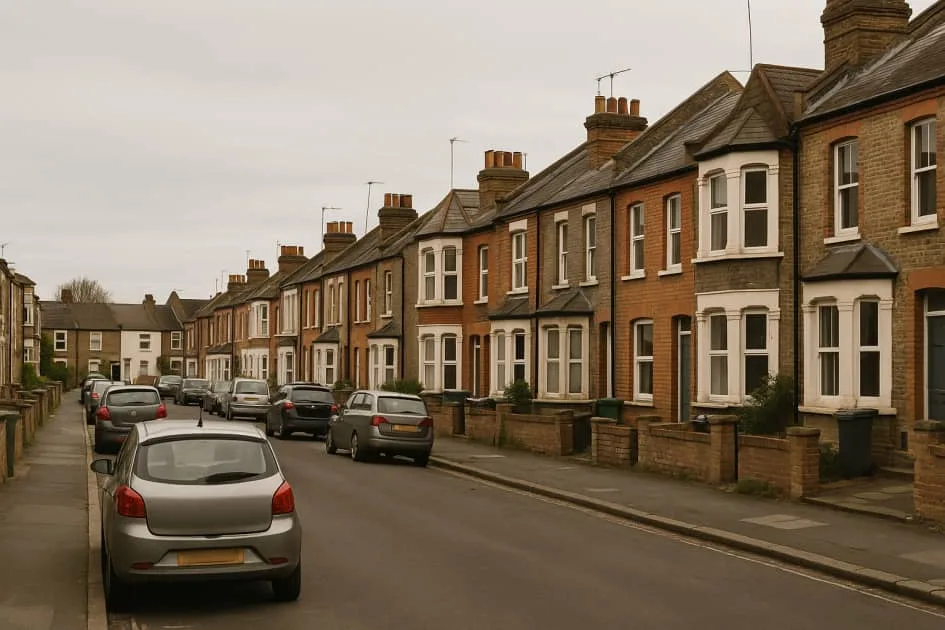
How removals conditions vary across Cardiff
Street layouts, parking rules, and property forms shift across the city. Inner areas may prioritise timed loading and lift bookings, while outer estates can involve cul-de-sacs and longer walks from kerb to door. These differences change crew size, vehicle choice, and the order tasks are completed on the day.
Neighbourhood access patterns
Expect tighter loading windows near busy centres, school-run congestion near primary routes, and resident-only bays on residential streets. Cardiff does not currently have an active clean-air or charge zone affecting standard removals planning, but loading restrictions, timed access, permits, apartment rules, and city-centre traffic controls can still affect routing and timing.
Property and loading differences
Houses with driveway access enable direct loading; terraced rows often need managed kerbside space. Flats vary by lift size and concierge rules. New-builds can have protective floor requirements and restricted service routes. These details influence whether to stage items in a lobby, use mattress bags on stairs, or split tasks between crews.
How to plan for different move types
For flats, confirm lift capacity, booking windows, and any goods-lift keys. For terraced homes, secure a parking bay and pre-position protection for stair edges. For larger houses, map room order, tag priority items, and plan a vehicle sequence that avoids blocking shared drives or estate entrances.
City-wide baseline: where time is lost
Common delays include: waiting for keys, searching for a legal loading spot, longer-than-planned carries, slow lifts, and last-minute packing. Lock these down early—permits, booking windows, and an agreed load path usually save the most minutes per hour.
Eight local variables that change removals planning
1) Parking controls and permits
Confirm resident-bay rules, visitor permits, or pay-by-phone limits. Evidence of a permit on the dash and clear signage helps hold a space.
2) Carry distance and level changes
Measure from vehicle to door, including steps and ramps. Long or sloped paths warrant extra time and specific trolleys.
3) Stairs, lifts, and lift booking windows
Record lift size, door clearance, and booking start/finish times. On stairs, plan two-way traffic and corner protection.
4) Vehicle size and routing constraints
Check width restrictions, height limits, and turning circles. Consider shuttle plans where larger vehicles are impractical.
5) Time-of-day traffic and school runs
Avoid peak arrivals where possible. Early starts or midday arrivals can prevent tailbacks at bottlenecks.
6) Property rules and protective measures
Some buildings require floor coverings, lift wraps, or signing-in. Prepare mats, banister wraps, and door-jamb protectors.
7) Key-release sequencing
Align departure with key collection to reduce idle time. If keys are uncertain, consider split-load or short-term storage.
8) Weather and contingency
Rain plans include covered walkways, shrink-wrap for upholstery, and staging near the entrance to shorten exposed carries.
Practical planning checklist
- Confirm permits or visitor parking and mark the loading bay the evening before if permitted.
- Measure doors, lifts, and stair turns; list any items needing partial dismantle.
- Book lift/loading windows and notify any concierge or site manager.
- Pack and label by room; stage priority boxes closest to the exit.
- Agree arrival time, vehicle sizes, and a backup if keys are delayed.
Scenario examples
Example 1: Flat-to-house move with a small goods lift and on-street bays. Book the lift, pre-clear a bay, and load in batches sized to the lift car to prevent queuing.
Example 2: Terrace-to-terrace move with resident permits. Secure day permits for both addresses, use door protection on narrow halls, and stage items inside the front room to shorten the kerbside window.
Example 3: House-to-house move with a long garden path. Use barrows and shoulder straps, pre-position floor runners, and schedule two loaders at the door to keep the main vehicle turning.
Apply neighbourhood context
Use local guidance to shape access plans and property expectations before you finalise dates. Start with the main page for booking and availability: Cardiff removals. Then review area notes here:
- Penarth Moving Guide
- Penarth property access challenges
- Barry Moving Guide
- Barry property access challenges
- Caerphilly Moving Guide
- Caerphilly property access challenges
- Pontypridd Moving Guide
- Pontypridd property access challenges
For timing and capacity planning alongside this area view, see: Cardiff moving timing guide and Cardiff access and property guide.