
Pontypridd removals: practical moving guide

Plan your move in Pontypridd: an operational checklist

Pontypridd’s mix of steep streets, Victorian terraces, converted flats and modern estates creates specific logistical challenges. This guide breaks down planning, booking, packing and move-day tasks with real-world implications for time, cost and operational complexity.

1. Pre-move preparation (location-specific)

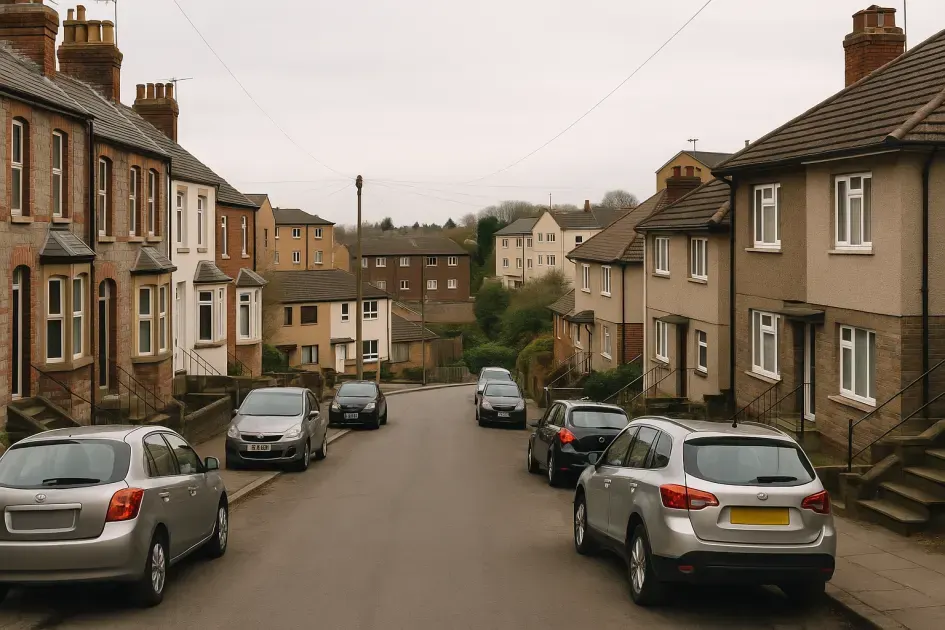
Survey the property and immediate street environment in person. Pontypridd’s town centre streets and older residential areas frequently have:

Use removals in Pontypridd first for the core service page. If you want a broader parent-area view around this guide, see Cardiff area guide.

  • Terraced houses built on slopes with narrow frontages and no driveways.
  • Converted flats in Victorian buildings where lifts are absent and staircases are narrow.
  • Semi-detached and newer-build estates on the outskirts (e.g. areas toward Treforest and Hawthorn) where estate roads can be tighter than they look on a map.

Note specific measurements: doorway height and width, stair width, number of steps and distance from the front door to the nearest legal parking. These measurements directly affect whether large furniture can be moved intact or must be disassembled — which increases time and labour.

In practice, this usually connects with This overview works best when read alongside moving costs in Pontypridd and property access challenges in Pontypridd..

2. Booking timeline and realistic allowances

Timing must reflect local friction points:

  • If a loading bay suspension or parking restriction is needed near a High Street property, allow at least 7–14 working days to apply and receive confirmation from the local authority. Weekend moves in the town centre need extra planning due to market days or peak footfall.
  • For terraced houses on steep streets, expect longer handling times. Add one to three extra chargeable hours compared with a ground-floor house with immediate roadside loading.
  • For flats without lifts, allocate additional crew time for stair-carry. Moves from higher floors typically add 30–60 minutes per flight for a standard set of furniture, depending on stair width and landing space.

Book removal resources early enough to secure additional crew or smaller shuttle vehicles for estate roads where large lorries cannot reverse or turn safely.

3. Packing considerations for Pontypridd properties

Packing affects carry time and risk. Adapt packing to the local building types:

  • Victorian terraces: use compact, sturdy boxes and avoid oversized single heavy boxes. Narrow stairs and landings require smaller loads to maintain steady flow and reduce stoppages.
  • Flats in converted buildings: label boxes by stair level and room to prevent time lost searching while on staircases; pre-pack an essentials box for one-trip access.
  • New-builds and semis: if parking is restricted by estate layout, consolidate boxes for fewer shuttle trips or pre-position large removable items near exits the day before, where permitted.
  • Disassembly: plan bed and large storage disassembly where doorways or stair turns are tight. This typically adds 20–60 minutes per large item but avoids failed manoeuvres that can significantly extend the move.

4. Move-day logistics specific to Pontypridd

On the day, local details determine flow and duration:

  • Parking and loading: confirm any temporary loading bay or suspension in writing. Without it, expect to park further away and add carry time—often 10–40 minutes per load depending on location (town centre vs outskirts).
  • Steep gradients: moving heavy items uphill or downhill in Pontypridd requires controlled handling. This slows each trip and may require extra crew for safety, increasing labour cost.
  • Estate roads and turning: if the removal lorry cannot access a cul-de-sac or narrow estate road, plan a shuttle strategy with a smaller vehicle for last-mile transfer; this adds vehicle time and additional handling steps.
  • Access windows: many streets have peak times for deliveries or restrictions. Aim for early morning slots to avoid market traffic near the High Street and to secure kerb space.

Practical checklist for move day: obtain any permit confirmations, leave clear access to the property, mark fragile or priority items, and have measurements and disassembly tools ready.

5. Property-type breakdown: what to expect in Pontypridd

Each local property type brings predictable operational consequences:

  • Terraced houses (often on slopes): no driveways, front steps and narrow corridors increase carry distance and time. Expect extra handling charges and the need to protect steps and stone thresholds.
  • Flats in converted buildings: frequent lack of lifts, narrow staircases and small landings make bulky items time-consuming. Plan disassembly and label boxes by floor to speed sorting at each landing.
  • Semi-detached houses: usually better roadside access but many sit above street level; check whether a driveway is usable for a large vehicle or whether loading must be from the road.
  • New builds and developments: modern access sometimes improves parking but estate road layouts, parked cars and turning restrictions can prevent large lorries from getting close, creating the need for shuttles.

6. Area-specific planning tips

Small adjustments tailored to Pontypridd make a measurable difference:

  • Scout the route between properties at the same time of day you plan to move to see real parking pressure and foot traffic — the town centre and bridge approaches can be busy at certain times.
  • Pre-book any required temporary parking suspension via the local authority and keep confirmation on-site on move day; this reduces the risk of penalties or interruptions while loading.
  • For long carries up hills, stage moves so heavy items are done first when the crew is fresh and avoid multiple uphill repetitions late in the day.
  • Check delivery/collection access at the destination in advance — some new-builds have appointed delivery bays that require coordination with estate management.
  • Consult the property-specific notes at /removals/cardiff/pontypridd/property-challenges for common pitfalls at particular Pontypridd addresses and link them to your plan.

Further local resources

Use the Pontypridd overview at /removals/cardiff/pontypridd for local entry points and the broader Cardiff area context at /removals/cardiff/area-guide when planning logistics across the wider area.

Careful measurement, realistic time allowances for steep streets and narrow staircases, and early parking/permit checks are the practical steps that prevent surprise costs and delays in Pontypridd moves.


Common questions about moving in Pontypridd

Answers focused on Pontypridd’s local access, parking, property types and realistic timings so planning is accurate for this area.

For large houses (terraced or semi-detached) and weekend dates, book 4–6 weeks out to allow time for any local parking bay suspensions or council permits. For flats or weekday moves, 2–3 weeks may be enough, but factor in extra lead time if the move needs a temporary loading bay in the town centre or near tight streets.

Yes. Short or distant parking increases carry time and labour costs. Applying for a temporary loading bay suspension from the local council can take several working days and may incur fees; absence of a suspension often means using paid car parks or legal on-street parking that increases walking distance to the property.

Expect steep streets, narrow Victorian terraces with no driveway, flats in converted buildings without lifts, and newer estates with estate roads that can be tight for large removal lorries. These constraints commonly increase handling time and may require additional crew or smaller shuttle vans for last-mile moves.

Measure stair widths and the route to the road. For heavy items, plan dismantling (beds, wardrobes) before the move and factor in extra time for safe carrying up or down steep gradients. Longer carries (over 20–30m or up hills) typically add one or more chargeable hours on moving day.

Use protective covers for narrow stair treads and slate or tiled thresholds common in older houses. Pack fragile items in clearly labelled, smaller boxes to reduce single-item handling on stairs. Distribute weight across boxes to limit the need for multiple trips on steep flights.

Return to the main service page once the logistics are clear and you are ready to progress the actual booking path. Planning pages should support that step, not compete with it.