
Access and property constraints in Cardiff
In Cardiff, access planning comes down to street width, parking control, loading timing, and what the building allows. Confirming these details early helps set the right crew plan and avoids preventable delays once the vehicle arrives.
Cardiff does not currently have an active clean-air or charge zone affecting standard removals planning, but loading restrictions, timed access, permits, apartment rules, and city-centre traffic controls can still affect routing and timing.
Related planning reads: Cardiff moving timing guide and Moving Costs.
Street access and loading realities
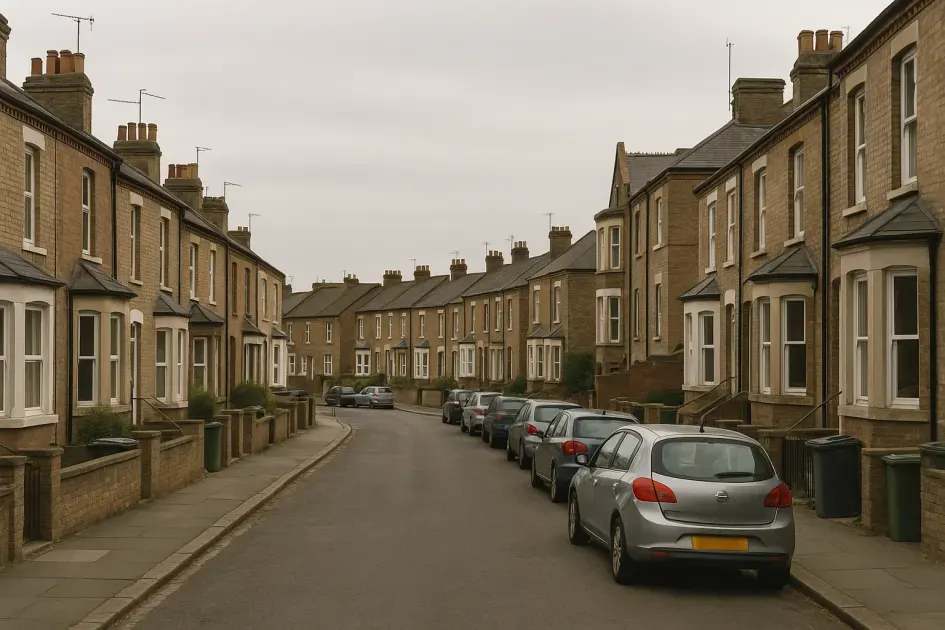
Many Cardiff streets narrow towards older terraces, with parking typically on both sides. This can limit large vehicle positioning and increase carry distance if a suitable space isn’t secured. In city-centre or managed zones, loading may be restricted to specific time windows with marshalled access.
- Narrow streets: consider a smaller vehicle or a shuttle if direct access is blocked.
- Permit parking: arrange visitor or suspension permits where allowed.
- Controlled loading windows: align crew arrival, lift bookings, and keys with the slot.
- Tight frontage access: confirm if ramps or skates are needed to navigate steps and thresholds.
Building and property friction
Flats and apartments often introduce concierge rules, move-in forms, and lift bookings. Stairs and long internal corridors increase handling. In terraces, narrow hallways and low turns can complicate large-item moves.
- Flats: secure lift bookings, protection pads, and any goods-lift keys in advance.
- Concierge rules: confirm move times, insurance documents, and access routes.
- Stairs: plan extra time and suitable handling gear for multi-flight carries.
- Carry distance: minimise through bay reservations or coordinated parking on both ends.
- Terraces: measure doorways and tight corners; dismantle large items beforehand if needed.
Parking, permits, and managed access
Permit areas and busy streets benefit from early paperwork. Check whether your street allows visitor permits, event-day restrictions, or bay suspensions. For private courtyards or apartment blocks, secure written confirmation of loading access and any required escorts or sign-ins.
- Confirm if you need a temporary bay or a suspension to shorten carry distance.
- Align permits with the expected arrival window and any building time limits.
- If access is tight, plan for a two-vehicle approach: a smaller vehicle to the door and a transfer to a larger truck nearby.
- Document alternative parking options within a short walk in case the primary bay is unavailable.