
Hidden removal costs in Pontypridd

Why Pontypridd moves generate unexpected costs

Pontypridd’s layout, road controls and housing mix create specific operational frictions that regularly translate into extra time and expense during a removal. Understanding the local causes — not generic warnings — helps predict where invoices can increase beyond a basic quote.

Property types and the implications for handling

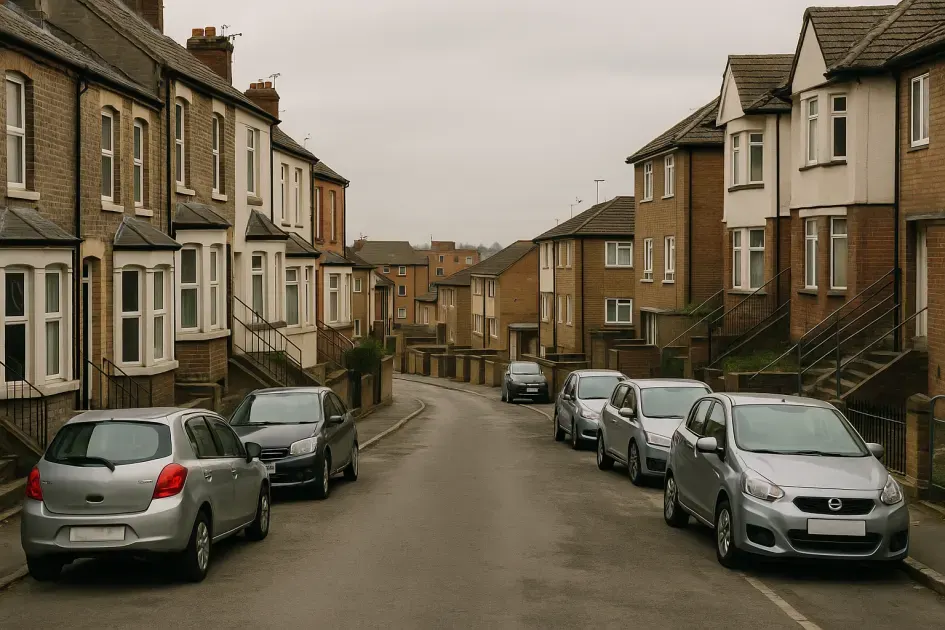
Victorian terraces in the town centre and Treforest: narrow doorways, tight hallways and rows of terraced houses built on slopes. These increase handling time because furniture often needs partial dismantling and careful manoeuvring through confined spaces.

removals in Pontypridd is the main booking page for checking availability, pricing and move details in one place, while moving costs in Cardiff explains the wider regional context behind cost differences.

Unexpected charges are easier to avoid when you compare this page with moving costs in Pontypridd and property access challenges in Pontypridd.

Flats above shops on Pontypridd High Street: many of these units have no lift or small stairwells. A bulky sofa or wardrobe that fits into a modern lift will need extra manpower and time to get up or down steep, winding stairs.

Semi‑detached homes and suburban streets (Cilfynydd, Hopkinstown): properties here usually allow closer parking but can be on steep streets where turning a large removal lorry is difficult. Tight turning radii increase loading time and sometimes require a smaller vehicle plus more carry distance.

New‑build estates on the outskirts (for example developments off the main valley roads): narrow estate roads, landscaped verges and limited visitor parking mean a large vehicle often cannot park directly outside the house. That forces longer carries or additional lifts of bulky items.

Access constraints that create real costs

Parking restrictions and permits: Pontypridd town centre has short‑stay bays, loading restrictions and resident zones. To guarantee a loading space you normally need a temporary parking suspension or permit from Rhondda Cynon Taf; arranging this can take days and carries a council fee. Without it, a removal vehicle may be forced to park in a pay‑and‑display car park or on a main road, adding carrying distance and time — and increasing the chance of parking enforcement and fines.

Long carry distances and the labour impact

When a big removal lorry cannot get near the front door — common on narrow streets near the River Taff or in cul‑de‑sacs on new estates — crews must shuttle inventory over metres of pavement, steps or across communal courtyards. Each extra 10 metres of carry multiplies the rounds required and increases the crew hours needed. Operationally that means either a longer day (and extra hourly labour costs) or adding staff, each of which adds to the bill.

Stairs, tight stairwells and extra manpower

Many Pontypridd properties feature steep, narrow staircases: flats above shops and older terraces are typical examples. Moving large items there is slower, needs more people for safe handling and raises the likelihood of requiring specialist kit or dismantling. These factors alter the workplan on the day and are commonly charged as extra labour or equipment time.

Waiting time: what it looks like in Pontypridd

Waiting time occurs when crews are ready to load but cannot start because of parked cars, an unavailable loading bay, or delayed access permissions. In Pontypridd this is often caused by:

  • Pay‑and‑display bays not freed up because machines are out of order or drivers misjudge times.
  • Resident parking zones where permits weren’t organised in advance.
  • Roadworks or temporary closures on valley routes that prevent the removal vehicle from reaching the property.

Each hour of waiting is operational time for the crew and vehicle — it multiplies the cost because removals are scheduled by slot and resource.

Traffic, restricted streets and delay risks

Pontypridd sits at the confluence of valley roads that frequently experience peak‑time congestion and occasional closures for utilities or council projects. A delayed arrival does more than shift the start time: it increases the probability of overruns, forces rescheduling of subsequent moves that day, and may require temporary storage if items cannot be delivered within a fixed appointment window. All of those outcomes carry additional costs.

Parking fines, congestion fines and enforcement

Blocking a controlled loading bay, double‑parking on a narrow High Street, or leaving a removal vehicle in a resident bay without a suspension notice can lead to Penalty Charge Notices from the local authority. In practice this means an unexpected fine and the administrative work and delays that follow — fines that add to the final moving bill.

Rebooking, overruns and cascading costs

A delayed job in Pontypridd often forces rebooking. That can mean paying for an additional day of labour, overnight storage for items that cannot be delivered, or increased rates for an urgent follow‑up slot. Because valley routes and town centre access are time‑sensitive, overruns are a common source of extra charges when the original schedule cannot be met.

How these factors translate into time and money

Examples of concrete impacts in Pontypridd:

  • No suspended bay on a narrow High Street → vehicle parks 60 metres away → extra 2–3 crew hours for carrying boxes and furniture.
  • Flats above shops with winding stairs → slower handling per item → extra porter required or a longer booking slot.
  • Late arrival due to A470 congestion → move overruns into the evening → additional hourly charges and potential storage until the next available delivery day.
  • Illegal or obstructive parking while loading → parking fine plus time lost dealing with enforcement or relocating the vehicle.

Practical next steps for Pontypridd moves

Plan around the local realities: check whether your property sits on a steep street, above shops with no lift, or within a resident‑permit zone; investigate the need for a temporary parking suspension with Rhondda Cynon Taf; and build extra time into the schedule for potential valley road congestion. For an overview of how removals are priced in the Cardiff area, see /removals/cardiff/moving-costs and to read more about removals specifically in Pontypridd visit /removals/cardiff/pontypridd. For detailed cost guidance for Pontypridd moves consult /removals/cardiff/pontypridd/moving-costs.


Frequently asked questions about hidden costs in Pontypridd moves

Below are concise, Pontypridd‑specific answers about the common extra costs that arise from local access, parking and operational issues.

Pontypridd’s town centre and valley roads can prevent a vehicle from parking immediately at the property. If a van cannot load because of parked cars, a missed temporary suspension of a parking bay, or a late council permit, crews may be forced to wait at the roadside. That waiting is billed as staff and vehicle time because it delays other jobs and extends the booking.

Yes — many streets around Pontypridd town centre and near the Old Bridge use pay-and-display or resident bays controlled by Rhondda Cynon Taf. To guarantee a loading space you must arrange a temporary suspension of parking with the council in advance. Failing to do so can mean long carries from distant car parks or spot fines if a removal vehicle blocks a restricted area.

Terraced streets and hillside properties (for example in Graigwen or Cilfynydd) often have no space for large removal lorries. When the vehicle must park 30–100 metres away — across steep pavements or communal stairs — the extra time and labour to ferry boxes and furniture can add hours to a job and increase labour costs or trigger additional crew requirements.

Many flats in Pontypridd town centre are above retail units with narrow, steep staircases and no lift. Moving bulky items up or down those stairs increases handling time, raises the risk of damage and may require more porters or specialist equipment (eg dismantling, protective wrapping). Those add-ons are billed because they change the scale of work compared with a ground‑floor move.

Key routes such as the A470 and valley arterial roads suffer heavy commuter traffic and frequent roadworks. A delayed arrival can cascade: the job finishes late, the next appointment gets pushed or cancelled, and that late finish often incurs extra hourly charges or storage fees if a collection can’t be completed on the scheduled day.

Surface the awkward details early. The more honestly the access route, loading position and timing pressure are described, the fewer surprises show up later as overrun.