
What affects removals costs in Pontypridd, Cardiff

Why moving costs in Pontypridd differ from other parts of Cardiff

Pontypridd’s streets and property mix create specific operational realities that directly change the price of a full-house, flat or office removal. Distance from central Cardiff depots, steep residential roads, and local parking patterns mean the same volume of furniture can cost more or less here than in other Cardiff neighbourhoods.

When you are ready to move from cost research to the main move page, start with removal service in Pontypridd.

Property types and their real cost implications

Pontypridd contains a variety of housing stock and each type brings different time and handling requirements:

You will often need to consider For a fuller cost picture, read this alongside hidden moving costs in Pontypridd and property access challenges in Pontypridd. at the same time.

For a broader regional view, see moving costs in Cardiff.

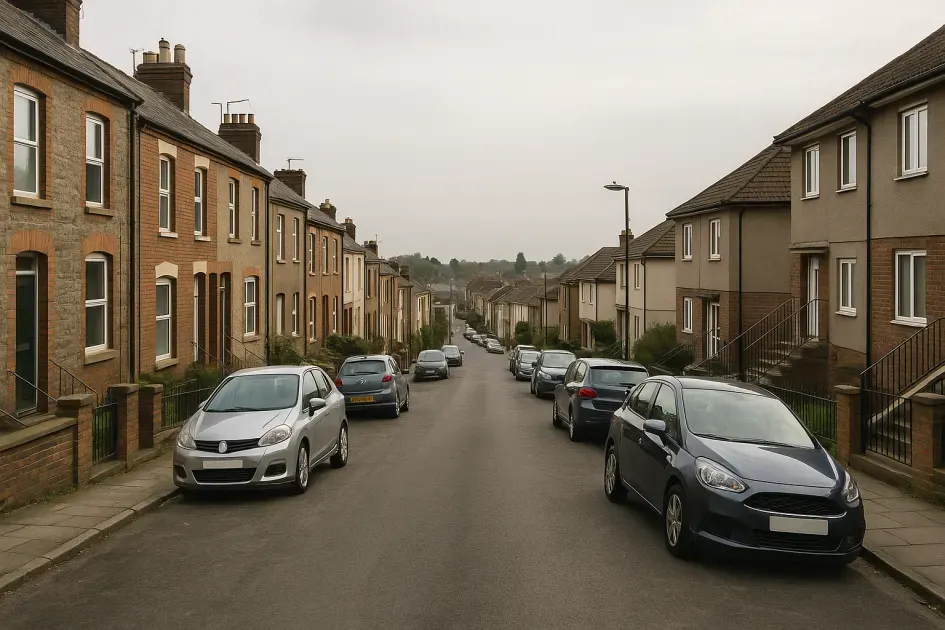
  • Terraced houses — common in older areas; narrow hallways and steep stairs increase the time per item and risk of delays if large items require dismantling.
  • Flats (above shops or in converted mill blocks) — many are walk-ups without lifts, or have lift access that is limited in size; repeated stair carries or managing lift booking windows raises labour hours.
  • Semi-detached homes — typically easier to load from a driveway but parking restrictions or kerbside visibility on narrow roads still affect loading position and time.
  • New builds and modern estates — often have better access and parking bays, but narrow estate roads and estate management rules (moving windows or booking of service yards) must be navigated and can add administration time.

Access constraints specific to Pontypridd

Pontypridd’s layout and local regulations create tangible operational friction:

  • Town centre and railway-adjacent streets have short-term loading bays and busy pedestrian flows; securing a vehicle position near the entrance can require timing to the minute or payment for a temporary suspension/permit.
  • Narrow residential lanes and terraced rows in suburbs such as Treforest and Hopkinstown force longer carries from a legal parking spot to the property — every additional 10–20 metres of carry multiplies labour time over a full house move.
  • Stairs and small lifts in converted buildings increase the need for extra crew, protective equipment and careful manoeuvring — all of which increase time on site and therefore cost.
  • Parking permits or resident-only bays can require pre-arranged permissions or use of council loading bays, which imposes planning time and potential charges.

Vehicle limitations that change pricing

The practical maximum vehicle size that can be used in Pontypridd often differs from other parts of Cardiff. Large 18–26 tonne vehicles may be suitable on the A470 approach or in industrial areas, but:

  • In older streets and close to the town centre, only smaller removal lorries can safely maneuver without blocking the road.
  • Using multiple smaller vehicles increases loading/unloading cycles and drive time, which shows up in higher labour and mileage costs compared with a single larger vehicle in an area with easier access.
  • Where a vehicle must park further away, costs rise due to extra crew time and protective handling over the length of the move.

Crew size and operational planning

Crew requirements in Pontypridd are driven by access and property layout rather than just the number of rooms. Examples:

  • A three-bedroom semi with driveway access may be handled by a two-person crew with one vehicle.
  • A similar-sized terraced house with narrow staircases or multiple short carries typically needs a three- or four-person crew to keep the job within a single day.
  • Office moves in Pontypridd town centre with lobbies, secure doors and short working windows often require extra staff for traffic management and to meet building-specific time slots.

Choosing the correct crew size is a balance between higher hourly labour cost and the risk of overruns caused by too few staff — in Pontypridd, access difficulties mean under-resourcing is a frequent cost driver.

How timing—day of week and time of day—affects cost

Timing matters in Pontypridd for several practical reasons:

  • Weekends and end-of-month peaks see higher demand particularly around student-related moves in Treforest; increased demand pushes up labour rates and availability of larger vehicles.
  • School drop-off and rush hours around mornings and late afternoons make access and parking slower; jobs scheduled to avoid these peaks can be quicker but may attract premium rates for early starts.
  • Loading bay time windows in the town centre or on managed estates may force moves into restricted slots that require either additional staff to meet tight deadlines or permit fees for longer parking occupation.
  • Seasonal effects — bank holidays and summer months bring surges in demand locally; that can lengthen lead times for booking and raise standard charges compared with quieter months.

Real-world cost examples (typical operational drivers)

These scenarios show how location specifics translate into price differences:

  • Two-bedroom flat above a shop in Treforest (no lift, narrow stairs): significant stair carries and tight door frames — increased labour hours and likely need for a three-person crew compared with a same-size flat in a modern Cardiff estate with lift access.
  • Three-bedroom terraced house in Pontypridd town centre with restricted kerbside loading: short loading bay windows and potential permit cost — may require staggered loading/unloading and extend the job by hours.
  • Large semi on a modern estate with driveway: can be loaded straight from driveway using a single larger vehicle — lower handling time but potential estate management booking required to use service access.

Planning tips specific to Pontypridd (to reduce avoidable costs)

Plan around the town’s realities: check whether your building has a lift that fits larger furniture, confirm nearby loading bay timings in Pontypridd town centre, and arrange any resident parking permits in advance. For moves near Treforest or the railway station, allow extra time for traffic and pedestrian flows during peak periods.

For broader context on how these local pricing drivers across the wider city, see the Cardiff-level guidance on moving costs at moving costs in Cardiff. For details on extra charges that can appear on the day in Pontypridd, see hidden moving costs in Pontypridd, and for general local booking information visit removal service in Pontypridd.

Move size Typical range What usually affects it
Studio / small 1-bed £140–£280 steep gradients and long external steps between pavement and front door on hillside streets and limited on-street stopping.
1–2 bed flat £260–£480 Carry distance, stair cycles, lift access and van positioning.
2–3 bed home £420–£780 Furniture volume, loading distance, disassembly needs and timing pressure.

Frequently asked questions about moving costs in Pontypridd

Short answers to common cost questions specific to Pontypridd, with links to more local guidance where useful.

Yes. Terraced houses with narrow staircases and older Victorian terraces common around town often increase manual handling and loading time. Flats above shops or in converted mills (Treforest/near the railway) frequently require stair carries instead of lifts, or multiple short carries from a nearby loading bay—both add labour time and cost.

Pontypridd town centre has limited on-street parking and short loading bays; some residential streets further out have permit-only or restricted parking. If a removal vehicle cannot park directly outside, extra carry distance and crew time are required. Local loading bay availability and any permit arrangements directly alter quotes.

Yes. Weekend and end-of-month moves (student turnover near Treforest/University areas) often see higher demand, which pushes up labour and vehicle rates. Early-morning or late-evening slots that avoid daytime parking restrictions can also attract additional charges for unsocial hours.

Pontypridd’s mix of steep residential streets and older terraced rows increases physical effort and carry times versus flat, high-density areas of central Cardiff with more purpose-built loading zones. Conversely, some outer roads and industrial estates near Pontypridd allow larger vehicles more easily than narrow Cardiff lanes—this can reduce vehicle size premiums but may add drive time from Cardiff depots.

Share the access reality early, confirm where the van can stop, and flag anything unusual about the route inside the property. In Pontypridd, accurate planning is usually the cleanest way to keep the job close to expectation.

In many cases, yes. A quieter weekday slot can reduce waiting and make access more predictable, especially where factors such as school-run congestion around morning drop-off, mid-afternoon collection on local feeder roads and weekday commuter pressure tend to create friction at busier times.