
Property challenges for removals in Barry

Understanding Barry's built environment and how it affects removals

Barry is a coastal town with a broad mix of property types — from tight Victorian terraces close to the High Street, to interwar and post‑war semi‑detached suburbs, and newer riverside apartment blocks in the Waterfront redevelopment. Each type creates distinct practical challenges for a removals team: vehicle positioning, carry distance, lift access, and site rules all change the time and cost of a move.

Terraced housing: tight streets and street-level compromises

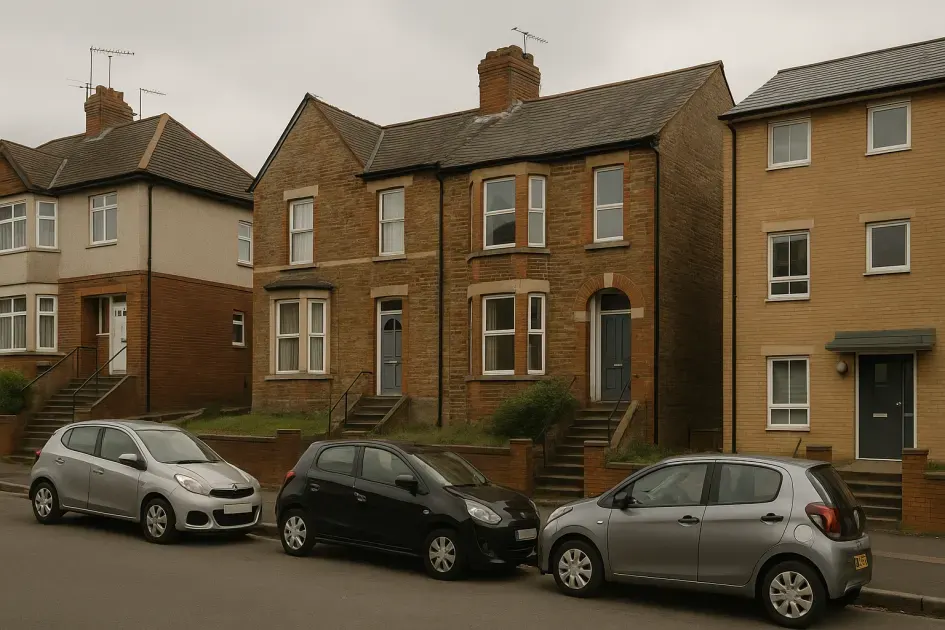
Older terraces in central Barry tend to sit close to the pavement with minimal front gardens and limited on‑street parking. Streets are often narrower than modern standards, meaning a removal vehicle cannot always park directly outside the property. Real‑world implications include longer carry distances from parked vehicle to property, extra labour for handling furniture across uneven pavements, and potential need for temporary parking suspensions. These factors increase loading time and therefore labour costs — allow additional crew time when planning moves in terraced streets.

For the wider picture across the area, refer to access and property guide for Cardiff.

In practice, this usually connects with To understand how building layout affects the wider move plan, pair this page with moving guide for Barry and hidden moving costs in Barry..

Use removals in Barry first for the core service page when you want the clearest route from access planning to booking.

Flats and apartments: stairs, small lifts and management rules

Barry has a mixture of converted period flats and purpose‑built apartment blocks. Conversions commonly feature narrow, steep staircases and tight landings that make manoeuvring wardrobes and beds difficult; some items must be partially dismantled. Purpose‑built blocks, especially in newer waterfront areas, have lifts that are often designed for passenger use rather than bulky furniture, and building managers commonly insist on pre‑booked service slots, lift protection and proof of insurance. These constraints translate to increased packing time, the need for specialist handling, and possible charges from management companies for supervised access.

Narrow roads and parking limitations across Barry

The town centre, approaches to Barry Island and some inner suburbs feature narrower lanes and a high density of parked cars. On busy days, particularly summer weekends, on‑street parking becomes scarce and enforcement of parking restrictions is more active. Where vehicular access is restricted, teams must extend carry distances, use smaller transfer points, or plan multiple shuttle runs — all of which add hours to a job. Organising a formal temporary suspension or a loading bay booking through the local council or building management reduces uncertainty but requires advance notice and can add cost.

Suburban versus dense layouts: different friction points

Suburban areas around Barry such as those with semi‑detached houses typically offer driveways or off‑street parking, which reduces carry distance and on‑street disruption. However, suburban properties can have long rear gardens or detached garages that add internal carry time. By contrast, dense urban terraces minimise indoor walking but maximise street carrying and parking challenges. In practice this means time estimates and crew requirements for a move in a central terraced street will differ substantially from a suburban semi‑detached exchange, and planning must reflect those local layout differences.

New builds vs. older properties: contrasting operational demands

New build developments on the Barry Waterfront and other recent schemes introduce different frictions: secured entrances, restricted service yards, underground parking, and strict management‑led booking rules for service lifts and loading bays. These create administrative overheads (slot bookings, deposits, proof of insurance) and physical constraints (lift dimensions, long internal corridors). Older properties, by contrast, often force physical workaround — removing banisters, dismantling furniture, or navigating narrow staircases. Both situations can extend the job duration; new builds often add costs through management fees, while older properties increase labour and equipment requirements.

Operational friction that directly affects time, cost and planning

  • Carry distance: where street parking is unavailable you should plan for extra time to move items several metres or even tens of metres from the vehicle to the property.
  • Loading and waiting restrictions: short‑stay bays, loading times and resident permit zones near the High Street or waterfront constrain how long a vehicle can park, increasing the need for rapid loading or formal suspensions.
  • Lift and stair constraints: measure lifts and doorways in advance—small service lifts or narrow turns can force dismantling, increasing hours and potentially hiring specialist kit.
  • Management and council rules: new developments and apartment blocks often require pre‑booked time windows and protective coverings for common areas, with possible charges and deposits. Local council parking rules may require applications for suspensions days before the move.
  • Seasonal demand: seaside and tourist peaks around Barry Island raise on‑street congestion and parking pressure, making weekday moves outside peak hours materially quicker and less expensive.

Practical next steps for moves in Barry

Address the location‑specific constraints early: measure staircases and lifts, check for resident permit zones or loading bay restrictions, and contact building managers for any service‑bay bookings. For general access requirements and sample checklists that apply across Cardiff and the Vale, consult the access guide at access and property guide for Cardiff. For specific local details about the move itself, review the Barry parent page at removals in Barry and practical timing suggestions at moving guide for Barry.


Common Barry-specific removals questions

Answers to practical problems that regularly affect removals into and out of Barry properties — from parking suspensions to lift booking and seasonal access issues.

Many town-centre and waterfront moves require a temporary parking suspension or a loading bay booking. Space is limited around the High Street and Barry Waterfront during weekends and summer; applications to the local council or building management are typically needed 7–14 days ahead and can add to cost and planning time.

Victorian terraces near the town centre and older suburbs often have narrow pavements and little kerbside parking. That increases carry distance, slows teams, and may require furniture dismantling. Expect longer loading times and higher labour hours compared with suburban semi-detached properties.

Many converted flats have narrow staircases, awkward turns and no service lift, while newer blocks on Barry Waterfront have small freight lifts and managed loading bays. Booking lift times with management and measuring items against lift dimensions are necessary to avoid on-the-day delays and rework.

Yes. Summer weekends and school holidays drive heavy footfall and on-street parking around Barry Island and the promenade, restricting van access and loading. Moves planned during peak season often need earlier starts, longer loading windows and liaison with local parking enforcement.

New builds often have gated access, allocated resident bays in underground car parks, and strict booking rules for service lifts or delivery zones. Management companies may require time-slot bookings, deposits or proof of insurance — all of which add administrative time and sometimes fees.

Yes. Lofts, garages and secondary storage areas spread the inventory across more space, which lengthens the loading phase even when the property looks manageable from the front door.