
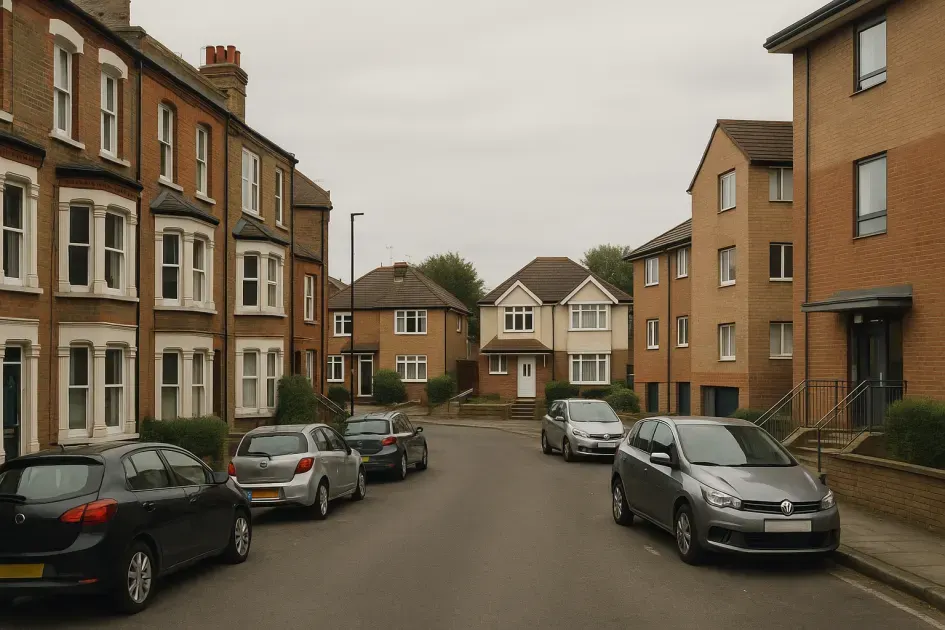
Penarth's character — a compact historic town centre, seafront promenades and nearby suburban neighbourhoods — creates a range of physical constraints that directly affect how a move is planned and executed. Practical decisions about crew size, vehicle positioning and timing must reflect the local street patterns, property types and council parking rules.
Central Penarth is dominated by Victorian terraces with narrow doorways, inner hallways and original staircases. Typical implications:
Use Penarth removals service first for the core service page. If you want wider parent-area context around access and building layout, see access and property guide for Cardiff.
Many Penarth flats are conversions of older houses or are located above shops around the High Street and Windsor Road. Access friction to plan for:
Penarth's streets were not designed for contemporary removal vehicles. Real constraints include:
In practice, this usually connects with To understand how building layout affects the wider move plan, pair this page with moving guide for Penarth and hidden moving costs in Penarth..
Moving in suburban Penarth estates and semi-detached streets (for example, areas further from the town centre) gives a different mix of advantages and challenges:
New developments in and around Penarth present both benefits and hidden frictions:
How these physical realities translate into planning decisions:
Before finalising a date, carry out an access check specific to the property: measure doorways and stair widths, identify permitted parking nearby, and confirm whether flats have lifts or gated service entries. For detailed local guidance on traffic and access matters see the Penarth removals overview at Penarth removals service and the wider access guidance for the Cardiff area at access and property guide for Cardiff. For practical moving-day tips tailored to Penarth flats and terraces, consult moving guide for Penarth.
Answers to the most frequent practical questions about physical access, parking and time implications for removals across Penarth's different neighbourhoods.
Yes. Many Victorian terraces in central Penarth have narrow hallways, tight corners and small front gardens or none at all. Carries from parked vehicles can mean repeated trips up narrow staircases or through tight doorways, adding labour time and increasing the risk of needing dismantling or specialist handling for large items.
A high proportion of Penarth flats are in converted Victorian or Edwardian buildings with shared stairwells and no lift. This frequently requires additional crew time for stair carries, limits trolley use, and can rule out direct vehicle access to the front door — all of which extend loading times and may increase the overall cost.
Potentially. Penarth town centre and seafront have limited on-street parking, pay-and-display bays and controlled zones managed by the Vale of Glamorgan. Where a removal vehicle cannot park close by, a temporary parking suspension or loading bay (applied for through the council) may be needed; arranging this in advance adds administration time and possible fees.
New developments often provide allocated parking and level internal layouts, but their parking courts, gated entrances and narrow estate roads can prevent large removal vehicles from getting close. That increases carry distances from vehicle to property and can require time for multiple shuttle runs or use of smaller specialist vehicles.
Penarth mixes dense town streets (Windsor Road, Paget Road area) with suburban crescents and coastal promenades. Dense areas create short but frequent carries up stairs; suburban areas may have driveways but longer pedestrian access. Planning must consider the specific street: access surveys, measuring door widths and agreement on parking/loading arrangements with the Vale of Glamorgan Council reduce surprises on moving day.
Yes. Lofts, garages and secondary storage areas spread the inventory across more space, which lengthens the loading phase even when the property looks manageable from the front door.